
Queen's University is beginning a major new nature recovery project across 240 acres of the Herstmonceux Castle Estate in the United Kingdom
Herstmonceux Rewilding is a long-term partnership between Queen’s University Canada, Bader College, Herstmonceux Castle Estate, and nature restoration company Nattergal.
Together, we will restore ecologically depleted farmland and create a richer, more connected landscape for wildlife, research, learning, and the local community.
A living laboratory for nature recovery, research, and learning
Herstmonceux Rewilding is a long-term nature recovery project at Herstmonceux Castle Estate, Queen’s University’s 600-acre estate in East Sussex, England.
Working with nature restoration company Nattergal, Queen’s University, Bader College, and Herstmonceux Castle Estate are restoring 240 acres of ecologically depleted, low-productivity farmland.
Over time, the land will develop into a connected mosaic of wood pasture, wetlands, scrub, grassland, and other habitats where nature can recover.
The project brings together nature recovery, university research, student learning, responsible land management, and community engagement on one site.
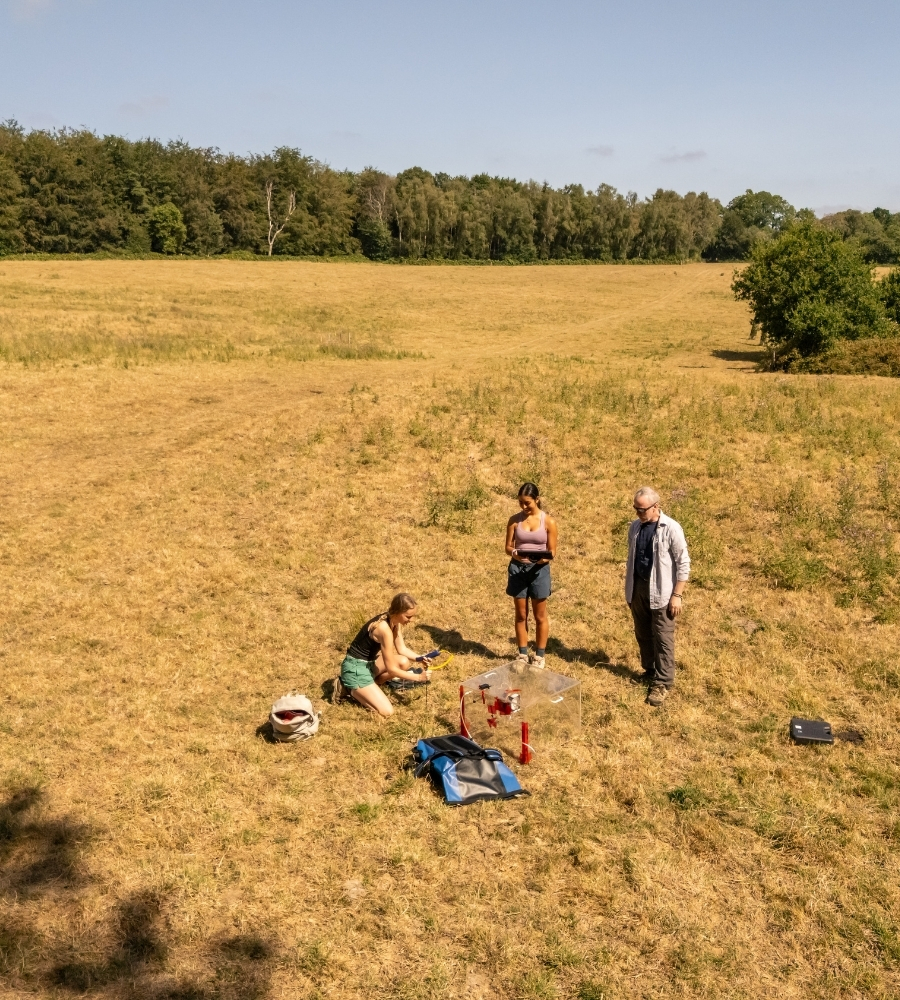
A long-term site for research and learning
Herstmonceux Rewilding creates opportunities for researchers, students, and academic partners to study environmental change as it unfolds.
The 240-acre site will provide a living laboratory where long-term ecological recovery can be monitored, researched, and understood across disciplines.
Potential areas of activity include:
- Environmental science, ecology, and biodiversity
- Geography and climate research
- Conservation and land management
- Environmental policy
- Field-based learning and student research
- Heritage, history, and changing relationships with land
- Education and public engagement
- Interdisciplinary research projects
As the project develops, it could support fieldwork, student projects, research collaborations, academic programs, workshops, and other forms of experiential learning.
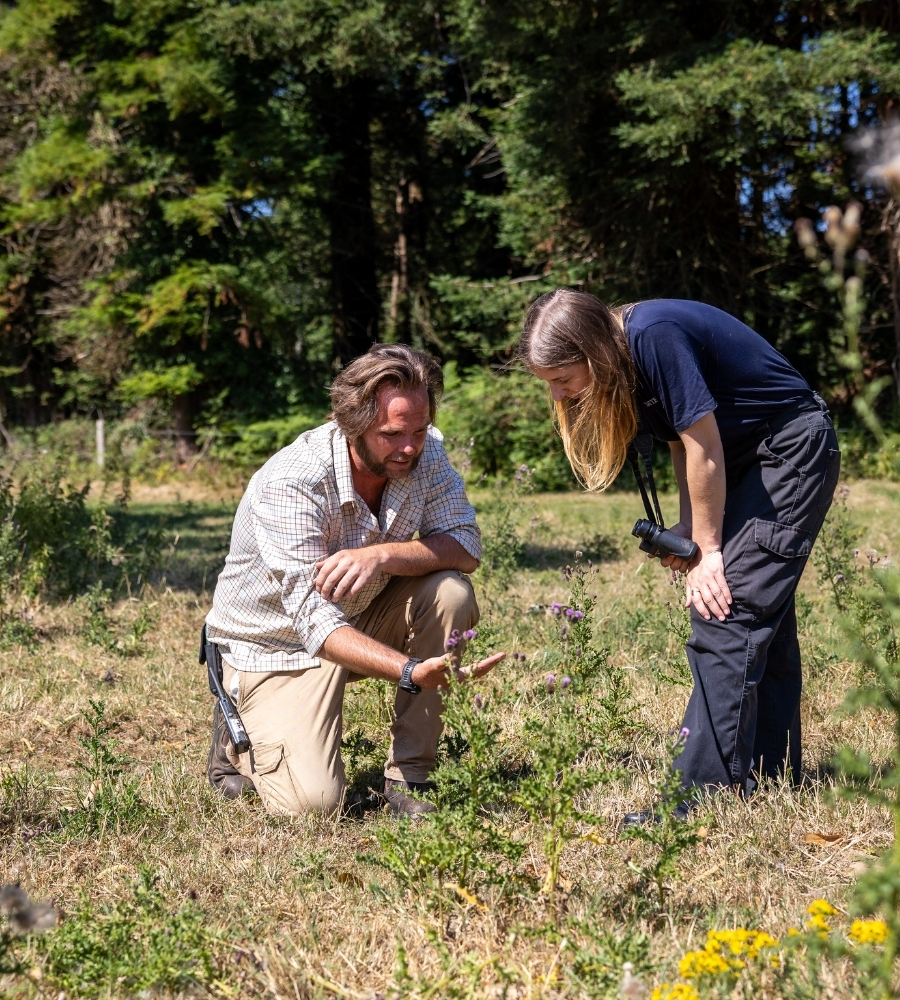
An international platform for collaboration
Herstmonceux Rewilding provides a new platform for Queen’s researchers to work with universities, environmental organisations, researchers, and other partners in the UK and internationally.
Bader College acts as Queen’s academic base in the UK, connecting the University’s academic community with opportunities for research, teaching, fieldwork, and partnership at Herstmonceux.
For potential partners, the project offers the chance to explore:
- Collaborative research
- Faculty-led academic activity
- Student fieldwork and research projects
- Long-term environmental monitoring
- Knowledge exchange
- Interdisciplinary partnerships
- Workshops, conferences, and academic gatherings
- New approaches to nature recovery and land stewardship
Specific opportunities will be developed as the project progresses and will depend on research priorities, academic interest, access, capacity, and partnership arrangements.
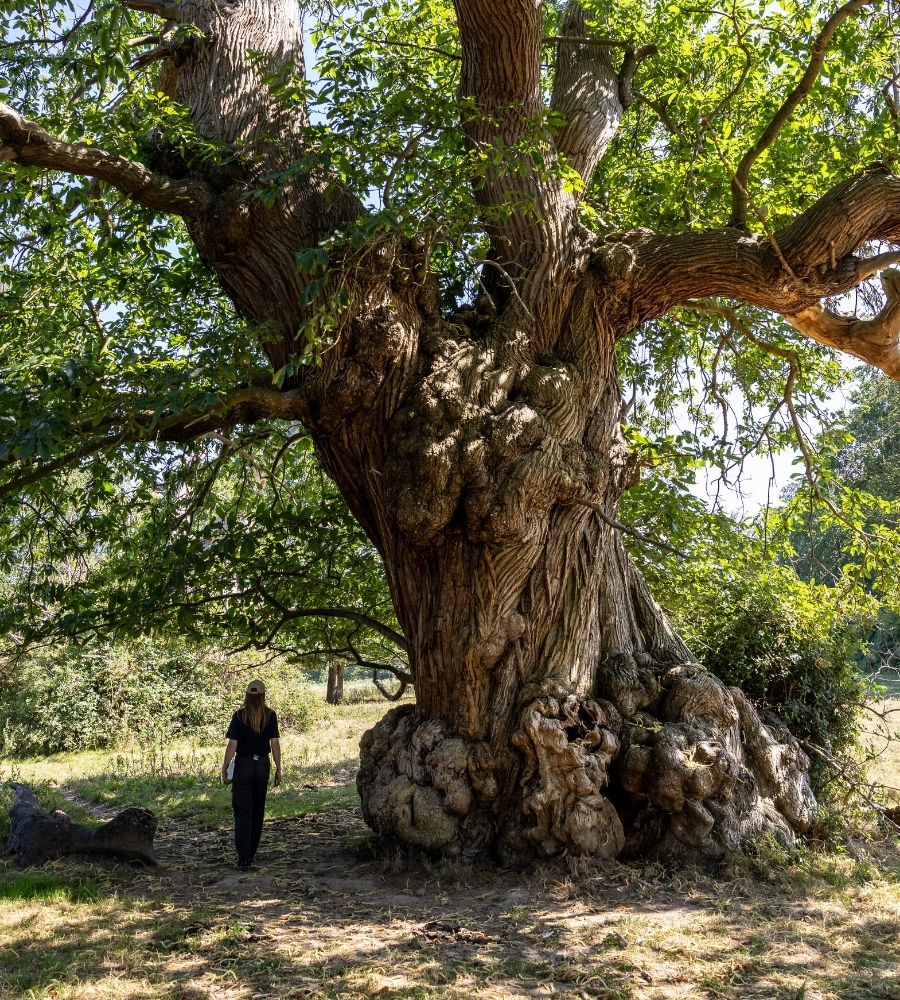
Nature recovery over decades
Rewilding is not about leaving land unmanaged.
At Herstmonceux, nature-led processes will be supported by active management, scientific monitoring, and long-term stewardship.
Nattergal brings specialist expertise in large-scale nature restoration and will manage the Biodiversity Net Gain model that supports the project.
Biodiversity Net Gain is part of England’s planning system and requires new developments to leave biodiversity in a measurably better condition than before.
Income generated through the sale of Biodiversity Net Gain units will support the restoration, management, monitoring, and long-term protection of the land.
Conservation Covenants will protect the land for a minimum of 30 years, giving habitats the time and space needed to recover.
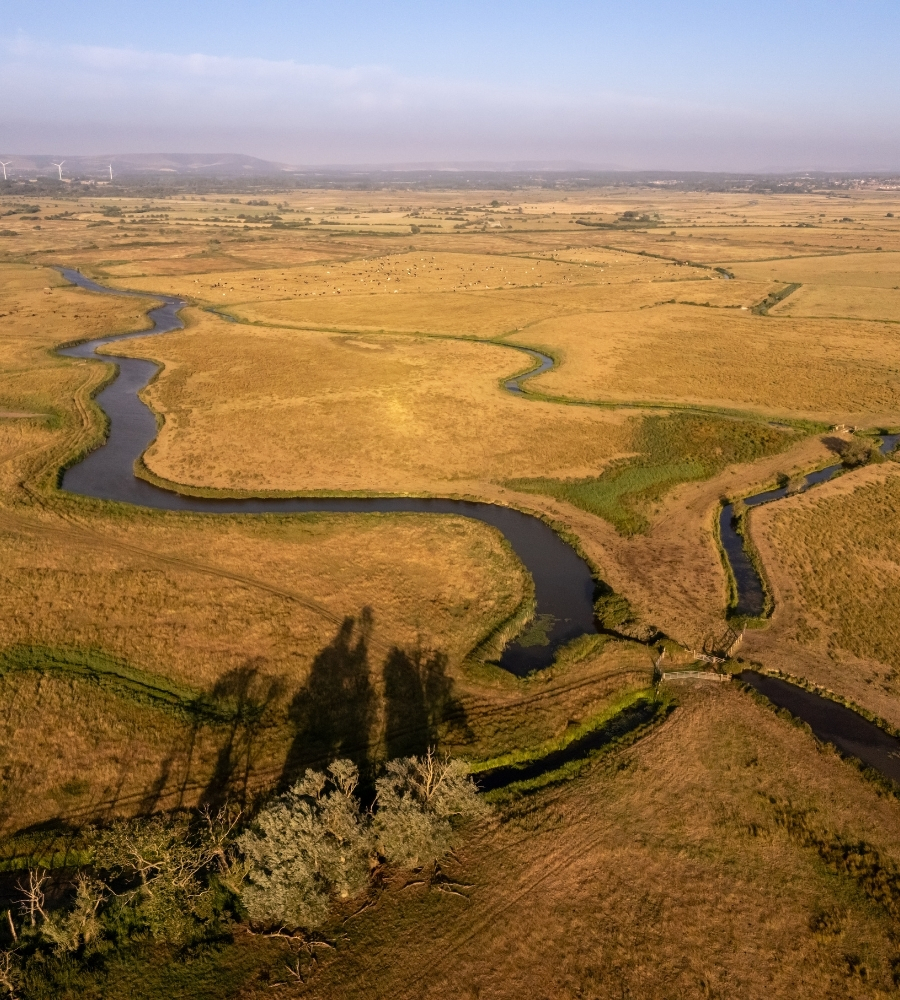
Part of Queen’s global academic community
Herstmonceux Rewilding supports Queen’s commitment to research, education, sustainability, and international partnership.
It also contributes to the United Nations Sustainable Development Goals, particularly SDG 15, Life on Land.
The project strengthens Bader College’s role as Queen’s UK base for research and learning, while creating new connections between the University and researchers, institutions, environmental organisations, and communities beyond Canada.
The result is a long-term project where nature recovery can be studied rather than simply observed.
Students and researchers will have the potential to follow change over years and decades, ask new questions as the landscape develops, and contribute new knowledge to the wider understanding of biodiversity recovery.
Partner with us
Herstmonceux Rewilding is designed to develop through research, learning, and partnership.
We welcome conversations with Queen’s faculty and students, universities, researchers, academic institutions, environmental organisations, and other partners interested in exploring how they could contribute to the project.
Whether your interest is in research, teaching, fieldwork, knowledge exchange, or long-term academic collaboration, we would like to hear from you.
Email: bc.academic.education@queensu.ca
Herstmonceux Rewilding: Frequently Asked Questions
Herstmonceux Rewilding is a long-term nature-recovery project spanning 240 acres of the Herstmonceux Castle Estate.
The project will restore ecologically depleted, low-productivity farmland and create a richer mix of habitats to support nature's recovery.
It will also create new opportunities for research, learning, partnership, and public engagement.
Rewilding is an approach to nature recovery that gives natural processes a greater role in shaping and restoring land.
At Herstmonceux, this does not mean simply leaving the land unmanaged.
The project combines nature-led recovery with active management, scientific monitoring, research, and long-term stewardship.
Over time, this will allow habitats to develop and change naturally.
Nature in the UK is under pressure, with many habitats becoming smaller, less connected, and less able to support wildlife.
Herstmonceux Rewilding will restore depleted farmland, reconnect habitats, and support greater biodiversity across part of the Estate.
It will also create a long-term site for studying how nature recovery unfolds over time.
The project covers 240 acres within the Herstmonceux Castle Estate.
This land will gradually shift away from agricultural use towards a connected mix of habitats, giving nature more space to recover.
Change will unfold over many years rather than through a fixed or immediate design.
Natural processes will help create a mix of habitats, including:
- Wood pasture
- Wetlands
- Scrub
- Grassland
- Other naturally developing habitats
Different areas will develop in different ways as conditions change over time.
The project brings together Queen’s University, Bader College, Herstmonceux Castle Estate, and the nature restoration company Nattergal.
Queen’s provides academic reach and research connections.
Bader College builds links through teaching, field-based learning, research, and academic partnerships.
Herstmonceux Castle Estate provides the land, heritage setting, visitor relationships, and local connections.
Nattergal brings specialist experience in large-scale nature recovery and manages the Biodiversity Net Gain model that supports the project.
Nattergal is a UK nature restoration company specialising in large-scale habitat recovery and the long-term management of ecologically depleted land.
At Herstmonceux, Nattergal is supporting the development, management, monitoring, and long-term delivery of the project.
The 240-acre site will serve as a living laboratory for students, researchers, and partners to study environmental change over many years.
Research could cover areas such as environmental science, biology, geography, climate, soil and water, land management, policy, education, and the relationship between people and nature.
The project can also support field-based learning, student projects, monitoring, and academic partnerships.
Specific opportunities will be shared as they are confirmed.
Herstmonceux Rewilding will become part of the wider story of the Herstmonceux Castle Estate, alongside its Castle, gardens, woodland, science, education, and events.
Visitors will be able to learn more about nature recovery and follow the site's changes over time.
Future tours, workshops, educational activities, and managed access may form part of the project.
Details will be shared when confirmed.
No commitment has been made to open all 240 acres to unrestricted public access.
Access will depend on habitat protection, land management, research, safety, and operational needs.
Managed access, guided tours, workshops, and other activities may form part of future plans.
The project will be supported by the sale of Biodiversity Net Gain units managed by Nattergal.
Income generated by the project will support habitat restoration, management, monitoring, and long-term protection.
Biodiversity Net Gain, often shortened to BNG, is part of England’s planning system.
It is designed to ensure that new development leaves biodiversity measurably better off than before.
Developers can meet part of their requirements by purchasing units linked to registered habitat-creation and nature-recovery projects.
At Herstmonceux, BNG provides a funding route for the restoration, management, monitoring, and protection of the land.
The land will be protected through Conservation Covenants for a minimum of 30 years.
These legal agreements provide habitats with time and space to recover and help secure the site's long-term management.
The project itself is a long-term commitment and does not end after 30 years.
Herstmonceux Rewilding was publicly announced in September 2026.
The official public launch will take place on 25th and 26th October 2026.
The project is already underway, so the October launch marks a public milestone rather than the start of the work.
Nature recovery, monitoring, research, student learning, and partnership activity will continue as the site develops.
We will also share more about the people working on Herstmonceux Rewilding, the habitats developing across the 240 acres, research findings, and confirmed opportunities to engage with the project.