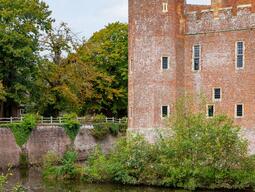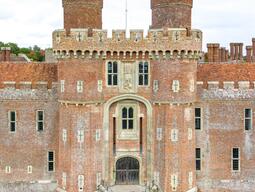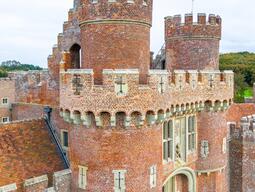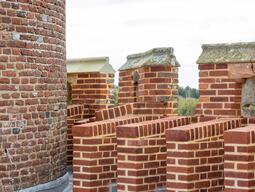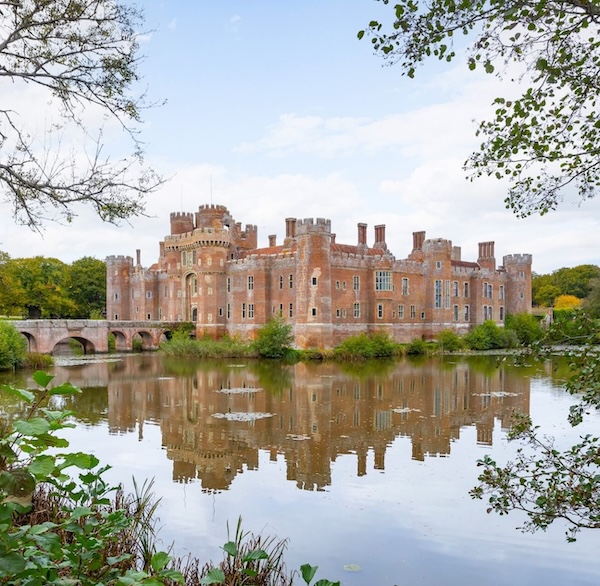
Bader College is pleased to announce the successful completion of conservation and restoration work on the south wing of Herstmonceux Castle.
The project represents a significant investment in the long-term preservation of the 15th‑century Grade I listed building and Scheduled Monument, ensuring its continued role as a place of learning, scholarship, and cultural exchange.
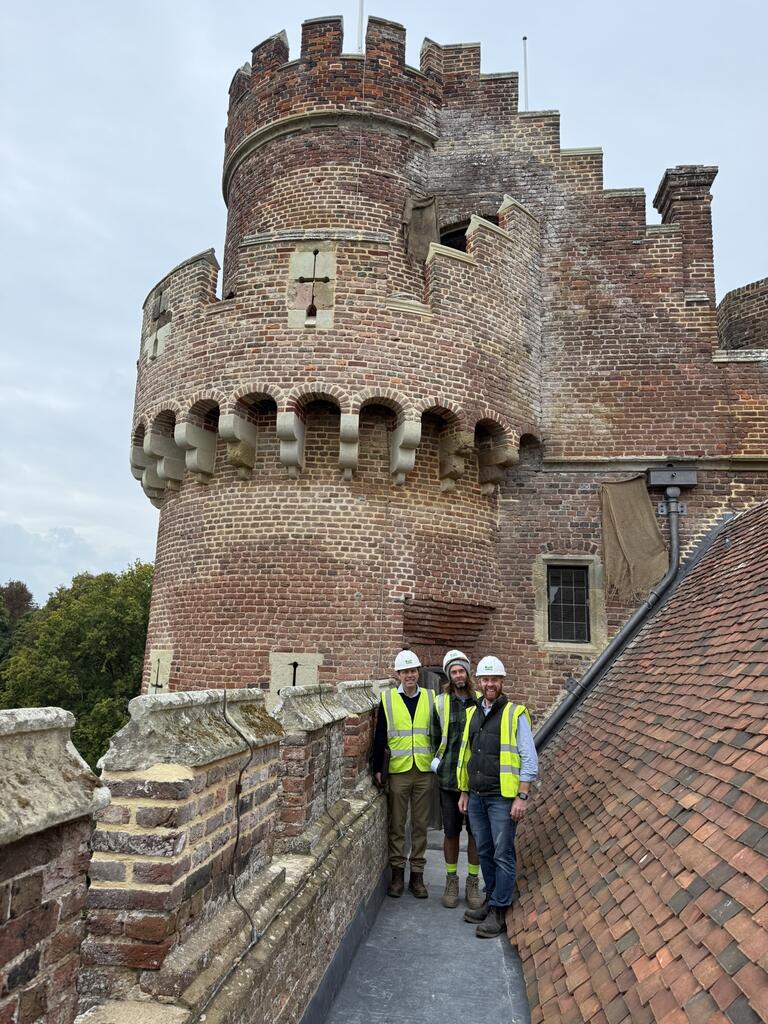
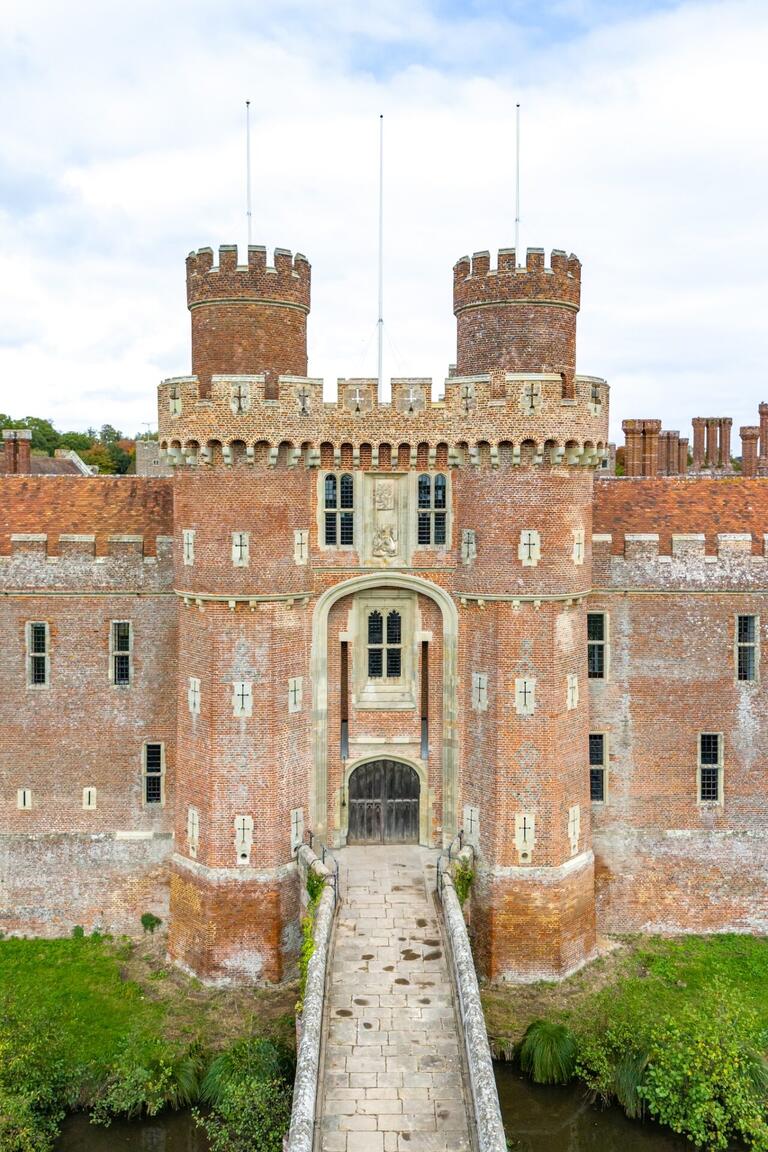
Undertaken over the past year and completed on schedule, the works addressed critical areas of the castle’s fabric, including the parapet walls of the gatehouse, masonry and brickwork repairs, replacement of corbels, and renewal of roof coverings and drainage systems.
“The restoration of the south elevation is an important milestone and allows the full opening of the castle to academic and educational programming, scholars' retreats, and other events in 2026,” said Matthew Evans, Provost and Vice‑Principal (Academic), Queen’s University
Led by Gould Baxter Architects and Surveyors (Lead Consultants), with main contractor Valley Builders and specialist conservators at Archer Stone Restoration, the project brought together expertise from across the heritage and construction sectors to ensure the highest standards of conservation practice.
The completion of this phase of work coincides with the launch of a new academic model at Bader College. Under this framework, faculty from Queen’s and partner institutions will bring discrete student cohorts to the castle to undertake specialized modules and short-term programs. The campus will also host professional and academic courses delivered by external organizations, further strengthening its role as a hub for global education.
“Herstmonceux Castle is a remarkable setting for inquiry and discovery,” Dr. Evans added. “With the restoration complete, we are excited to welcome new students, faculty, and collaborators from around the world to engage with Queen’s in this inspiring environment.”
Visitors to the estate are invited to view the completed restoration. An accompanying exhibition, opening later this year, will showcase the conservation journey—from the initial feasibility studies to the specialist traditional techniques that have ensured the long-term integrity of this iconic site.