
 Department of Geography and Planning
Post Doctoral Fellows
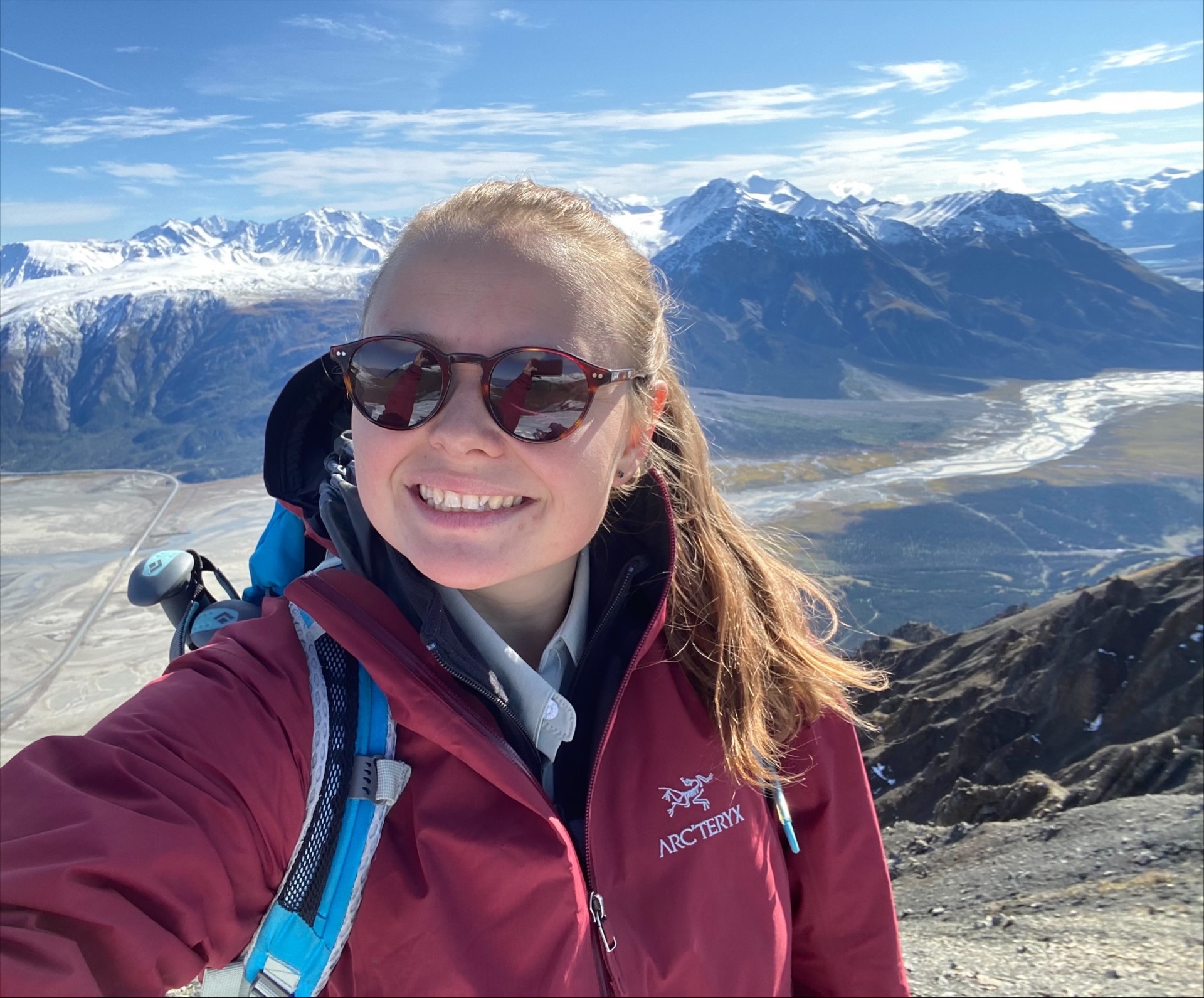
My area of research focuses on the biogeochemistry of trace metals in Arctic and subarctic ecosystems. I am particularly interested in the remobilization of theses metals through different processes such as permafrost thaw or aeolian deposition into terrestrial and aquatic ecosystems due to climate change. I hold a PhD in Physical Geography from the Université de Montréal where I studied the impacts of mineral dust and metal deposition on subarctic ecosystems at Lhù’ààn Mân’ (Kluane Lake), Yukon Territory. As the Robert Gilbert Postdoctoral fellow in the FaBRECC lab, I am excited to continue exploring metal remobilization in the context of permafrost thaw and changing landscape in the Canadian High Arctic.
Graduate Students
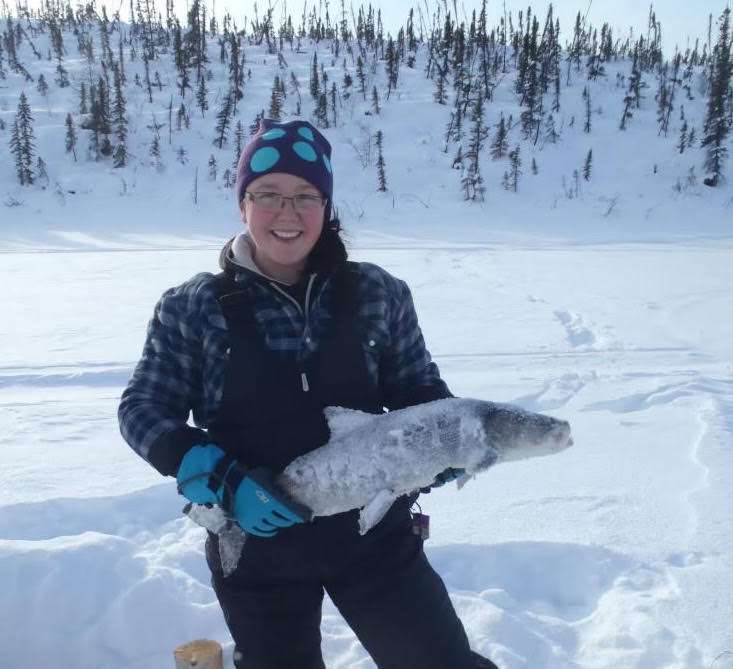
Erika Hille. Ph.D. Student (co-supervised with Dr. Scott Lamoureux)
My research focuses on how landscape, hydrologic, and climatic conditions influence the water quality of Arctic streams and rivers. More specifically, I am examining spatial variability in the seasonal hydrochemistry of four Arctic rivers situated in contrasting permafrost landscapes (coastal tundra, low arctic polygonal, ice glaciated marginal, forested interior plain). Three rivers are located in the Beaufort Delta Region. The fourth is located on Baffin Island, in the Eastern Arctic. This information will be used to develop a conceptual framework that characterizes the sensitivity and response of aquatic systems to permafrost thaw.
In addition to being a PhD student, I work at the Western Arctic Research Centre (WARC) in Inuvik, Northwest Territories. In my role at WARC, I spend a lot of time working with community members, government, Indigenous, and co-management organizations to develop research programs that are relevant to the people of the Beaufort-Delta region. As a vital resource, understanding and mitigating the effects of climate change on freshwater systems is consistently a research priority. It’s my hope that this research can be used by community leaders to make informed decisions about northern freshwater resources.
Cedelle Pereira, Ph.D. student
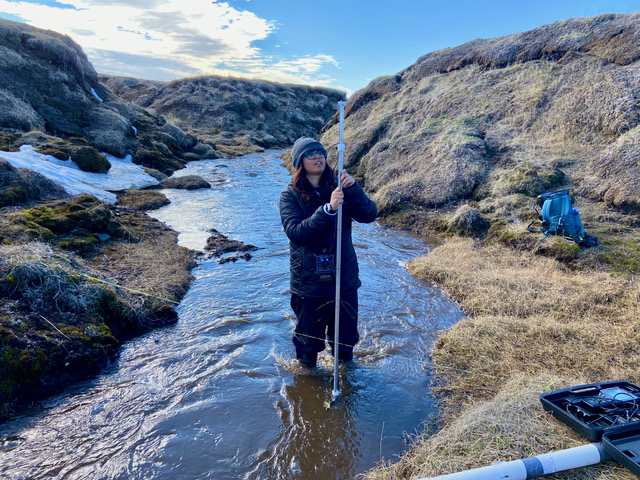
My area of research focuses on the influence of hydrological processes and landscape characteristics on carbon and nutrient cycling, and carbon feedbacks in High Arctic surface waters. I am particularly interested in how permafrost disturbances and seasonal hydrological changes affect the composition and structure of dissolved organic matter, as well as the abundance and composition of key nutrients such as nitrogen, and phosphorus. Most of my work is conducted at the Cape Bounty Arctic Watershed Observatory (CBAWO) on Melville Island, Nunavut, with some additional research carried out on Bylot Island, Nunavut.
I hold an HBSc from the University of Toronto and an MSc in Geography, specializing in permafrost hydrology, from Queen's University. My research expertise encompasses geochemistry, paleoclimatology, and hydrology.
I am hopeful that working at a long-term integrated research facility will enable me to further develop my research and analytical skills, allowing me to provide quantitative data that supports the development of watershed-scale models. These models can be used to assess how changes in land cover, hydrology, and permafrost disturbances impact carbon and nutrient dynamics in surface waters.
Abigail Harrison, M.Sc. Student (Co-supervised with Dr. Mike Palmer, Aurora Research Institute)
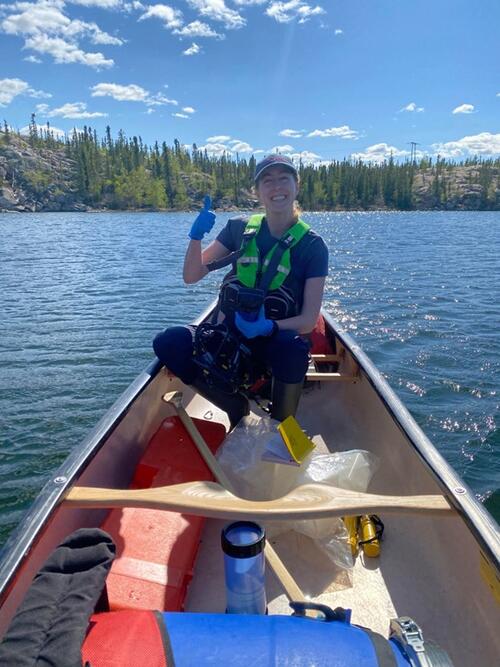
Natural resource extraction has been an integral part of human development over the past century. However, in most cases resource extraction is accompanied by environmental degradation. My current research focuses on re-mobilization of aerially distributed arsenic pollution, a result of decades of gold mining, through snow melt and seasonal surface water runoff in the Pocket Lake catchment, Yellowknife NWT. This work will help to understand the transport of arsenic among surface layer soils into regional lakes and has the potential to inform local communities and potential future remediation efforts in the area. This work is particularly interesting in the face of ongoing climate change as northern seasonal patterns and environmental conditions continue to shift rapidly.
I have a B.A. in Biology from Wellesley College. In the past, I have conducted research in astrobiology, limnology, immunology, and astronomy. I’m excited to now be developing my research capabilities and knowledge in the fields of permafrost hydrology and geochemistry as a member of the FaBRECC lab!
Natalie de Freitas, M.Sc. Student
Water quality and availability are critical in determining sources of drinking water. As climate change amplifies warming in the Arctic, surface water sources (rain and snow) and groundwater dynamics in permafrost regions are changing alongside it.
My research interests revolve around investigating the movement of sulphur and trace metals released through thawing permafrost and the resulting impacts on freshwater streams in High Arctic environments
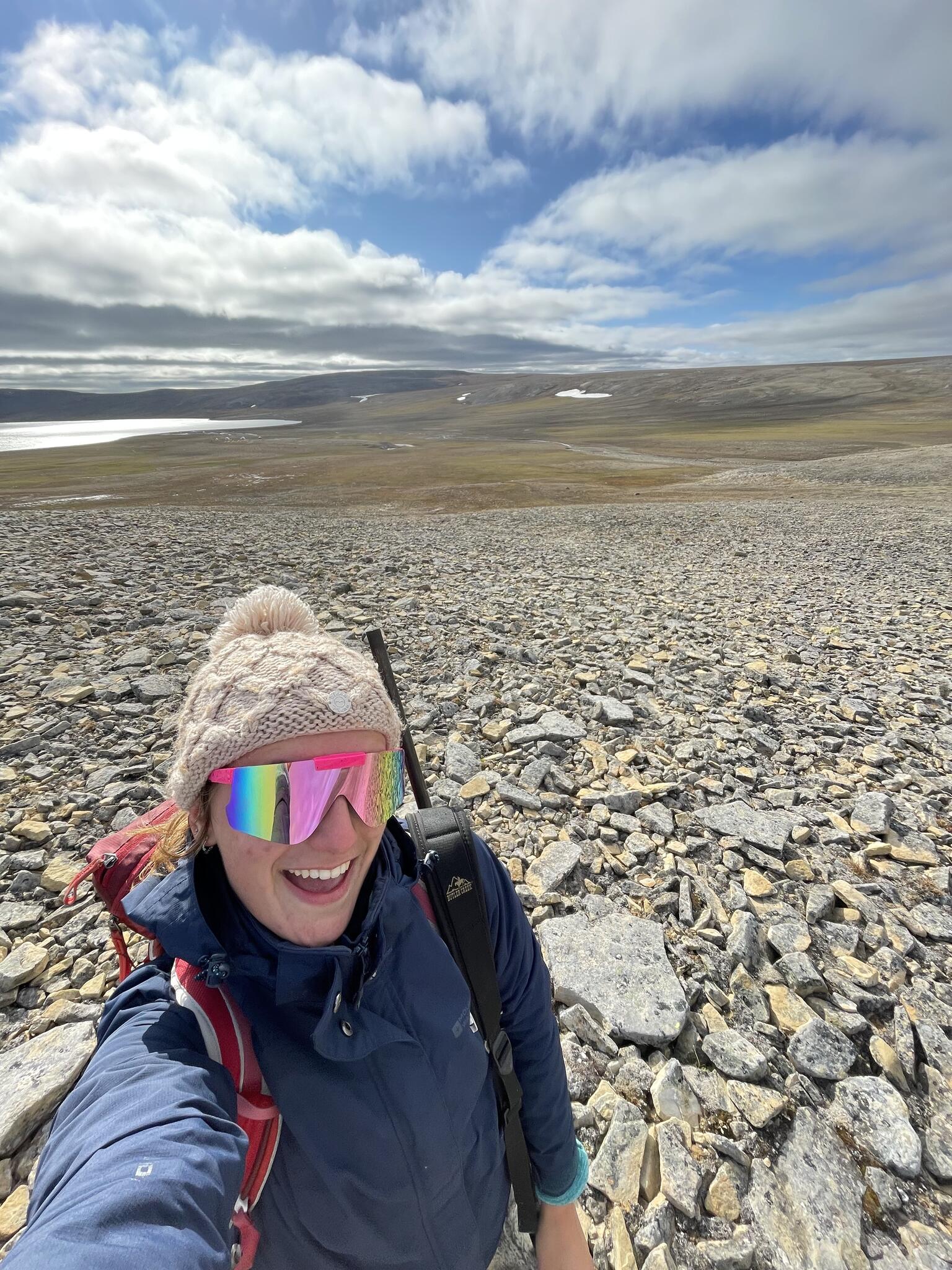
My research focuses on how climate change and degrading permafrost will change nutrient loading in High Arctic watersheds. As part of my master’s thesis, I will be taking on two distinct but related projects. The first builds on previous work done in the Niaqunguk Watershed outside of Iqaluit where small-scale differences in geomorphology may have major impacts on water quality. My second project will be conducted in the West River Watershed on Melville Island Nunavut. A nitrogen budget of the watershed and some of its subsidiaries will be done to examine how a deepening active layer and changing precipitation regimes in the High Arctic are changing the export of nitrogen, an important nutrient for aquatic ecosystems.
I have a BASc in Climate and Environment from St. Francis Xavier University where my previous research focused on the surface monitoring of Canadian carbon capture and storage facilities as well as the economic modelling of carbon taxation across Canada. I am excited to be starting in this new discipline of research and to develop better field and lab skills.
Undergraduate Student Researchers
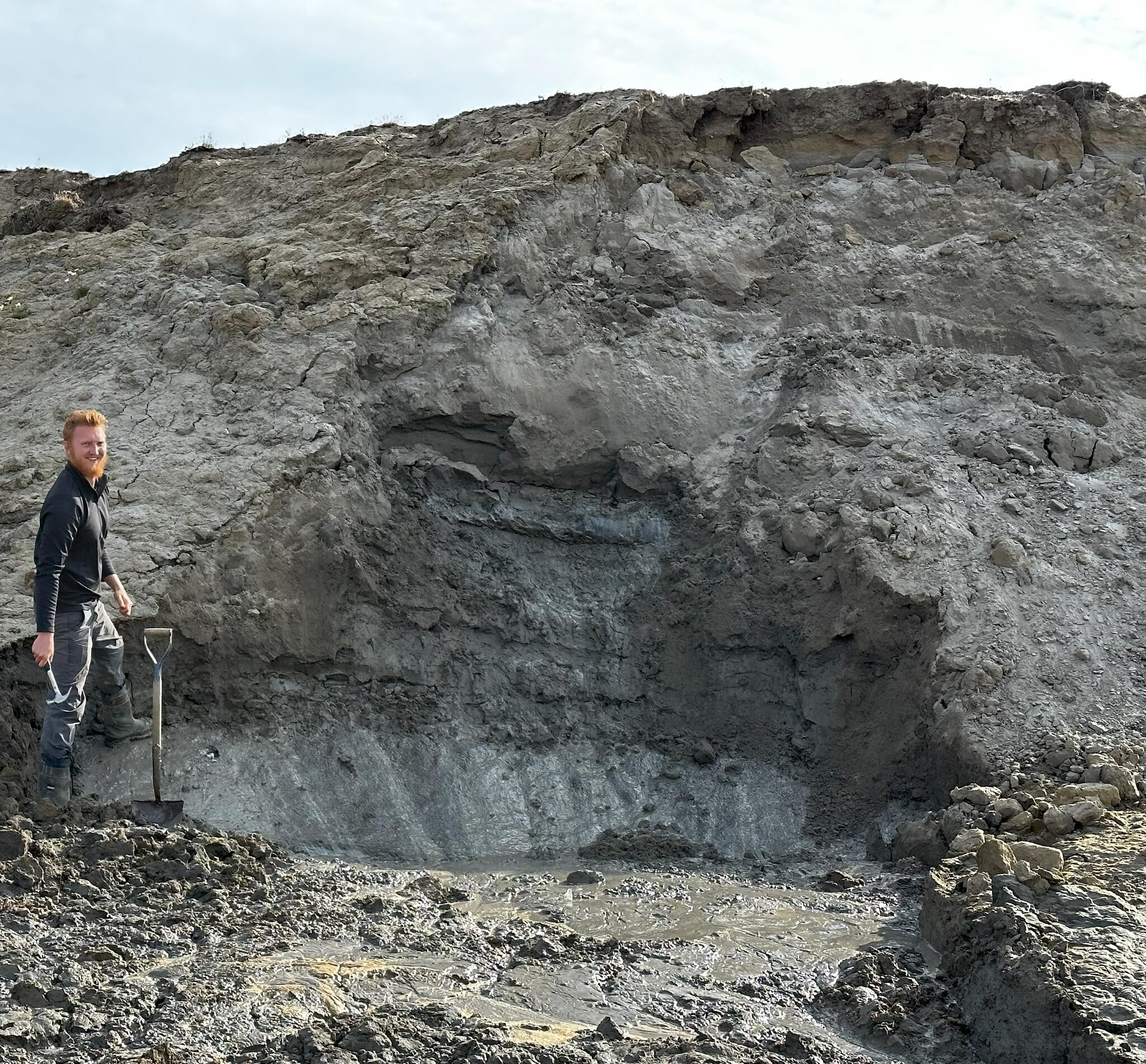
John Kinross, BSc.H. StudentI am a fourth year undergraduate student majoring in Environmental Science. This past summer I had the opportunity to work in Iqaluit, Nunavut through the Queen’s University SWEP program. In Iqaluit, I collected water samples and conducted salt-dilution gauging at 6 sites across the Niaqunguk River Watershed, and this year I will be analyzing this data as part of my undergraduate thesis project. My research aims to characterize a water budget of the Niaqunguk River Watershed and better understand the hydrological inputs and outputs throughout the spring and summer months.
Emma Vandebelt, BSc. Student
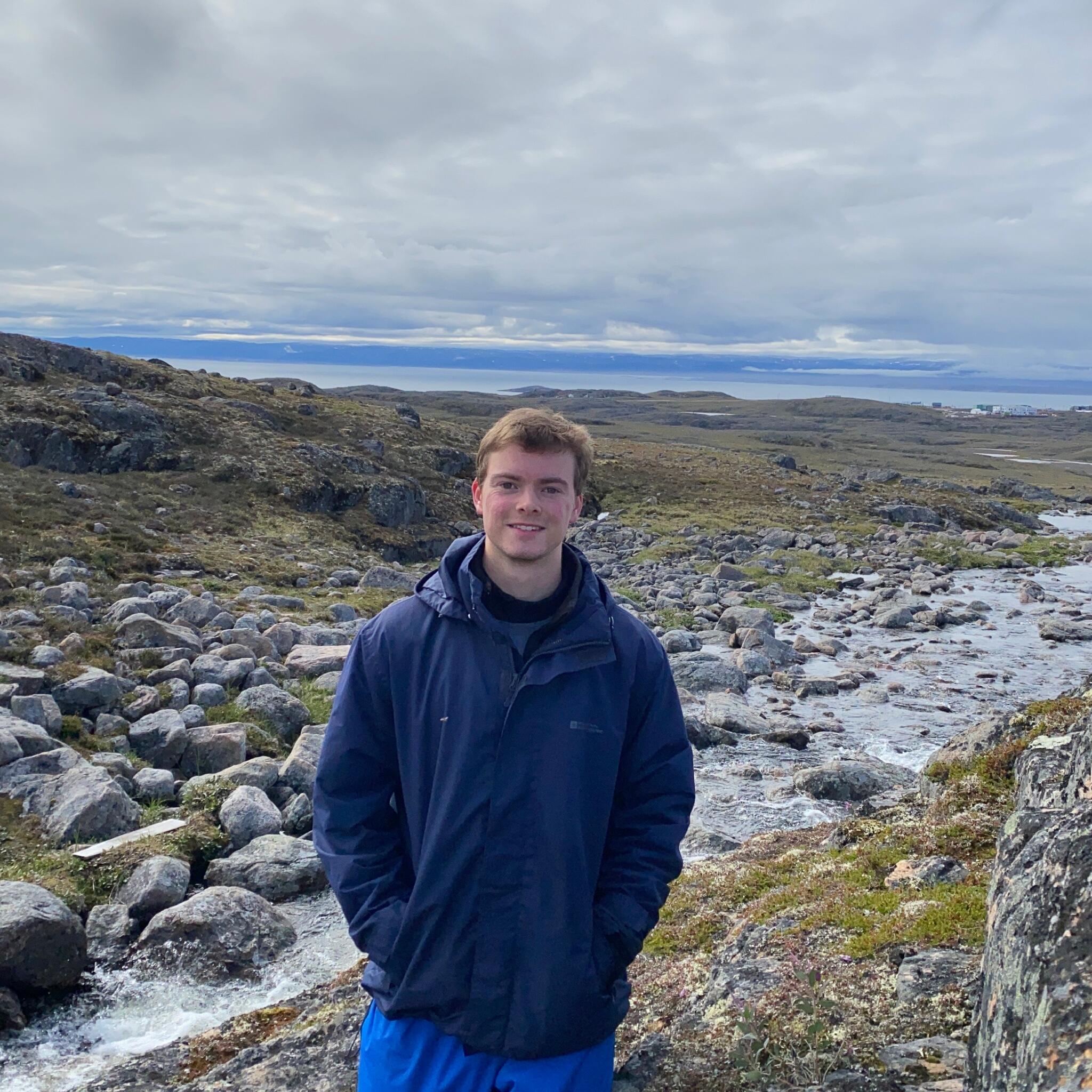
My research aims to improve our understanding of how both temporal factors and sample storage/transport conditions influence dissolved organic matter (DOM) in snowmelt water from High Arctic landscapes. Specifically, I am interested in how DOM changes with exposure to air and natural temperature fluctuations, affecting decomposition and microbial activity, as well as how DOM evolves over time during transport from the field to the lab under constant preservation. This involves analyzing dissolved organic carbon and total nitrogen (DOC-TN), as well as fluorescence and absorbance, for samples collected during the 2025 melt season. By examining DOM changes through both incubation and preservation on a temporal scale, we can better evaluate how current scientific sample transport and storage methods influence our DOM measurements and biodegradation analysis.
Research Staff
Caitlin Lapalme, Laboratory Technician
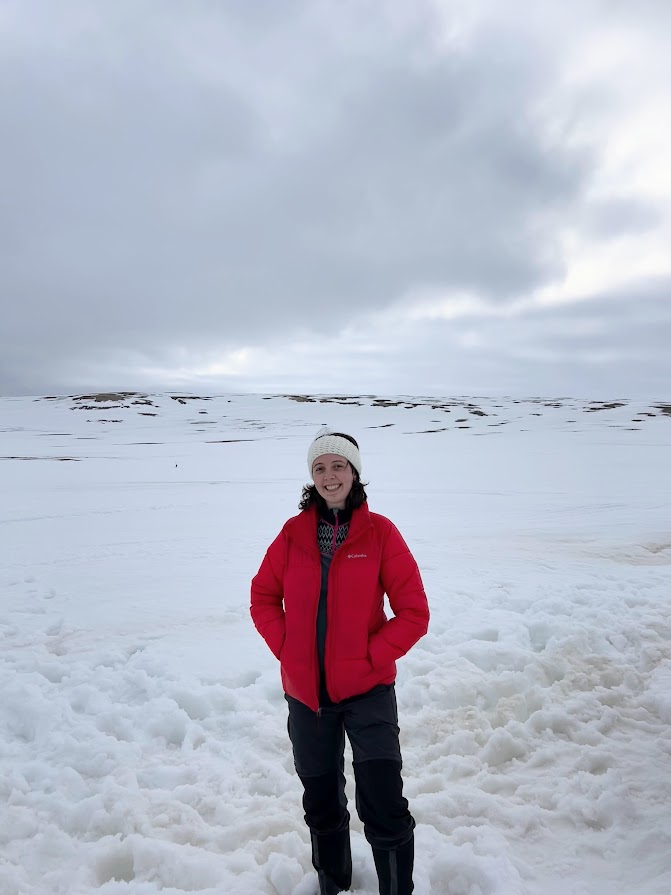
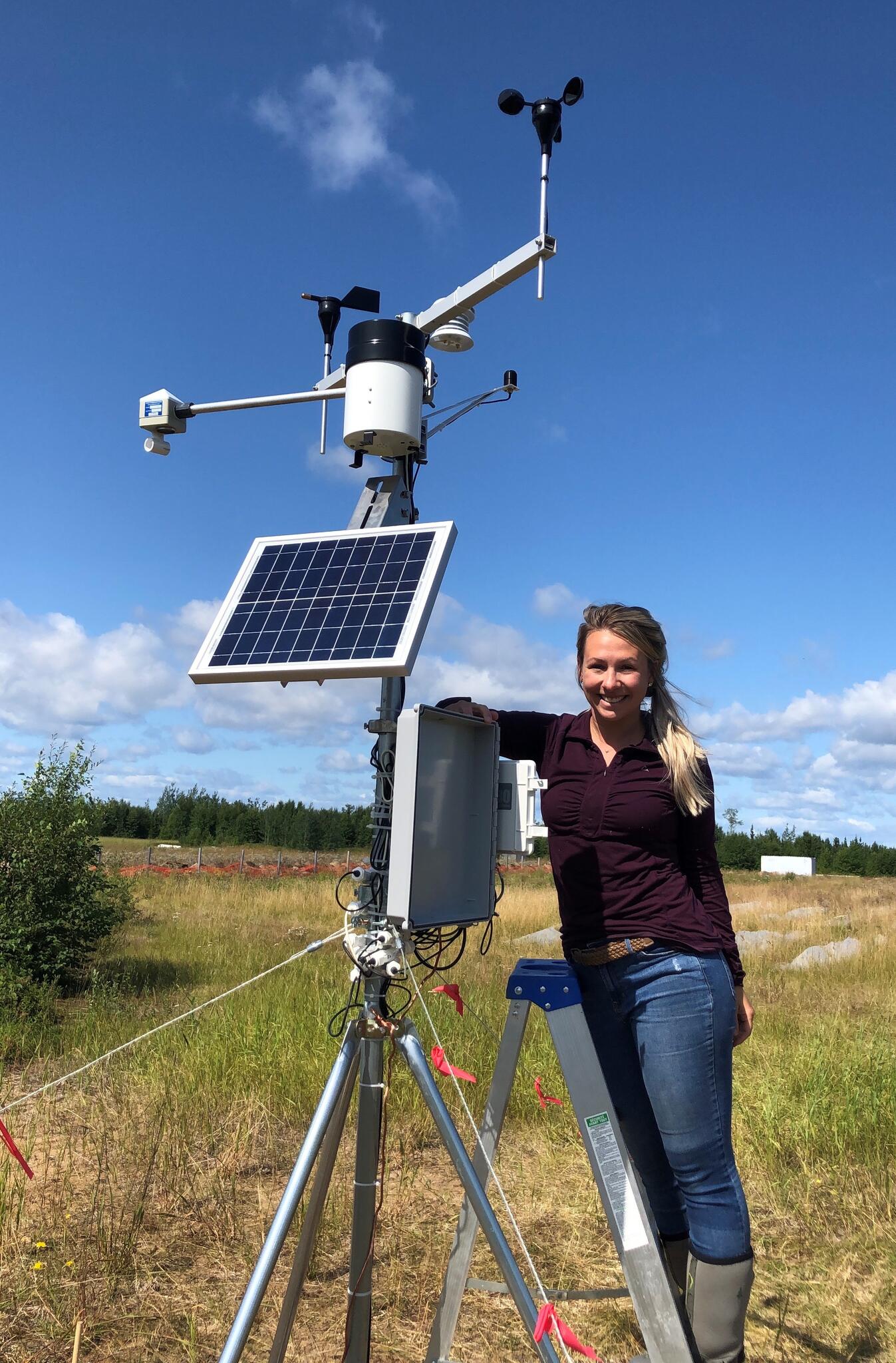
I am the Laboratory Technician for the Arctic Watershed Biogeochemistry side of the FaBRECC laboratory. I work to ensure the lab, and its analytical instruments are running smoothly so as to facilitate the research being conducted by our research partners, undergraduate and graduate students.
My previous research focused on investigations of permafrost, ground ice conditions and environmental change in high latitude regions through field, lab, image processing and spatial analysis techniques. I have also participated in the installation and maintenance of an environmental monitoring network and employed permafrost geophysics techniques across Labrador. My most recent research contributions were associated with inventorying rock glaciers; reviewing literature associated with modelling hydrogeochemistry in permafrost environments; and constraining the ground thermal impacts of upright vegetation in northern environments.
I hold a Graduate Diploma in Bioenvironmental Monitoring from Trent University, a MSc in Geography with a Specialization in Environmental Sustainability from the University of Ottawa and a BA in Environmental Studies and Geography from the University of Ottawa. Prior to relocating to Ontario, I worked as a Laboratory Coordinator at the Labrador Institute of Memorial University where I was responsible for establishing and developing the physical science labs and research station at the Labrador Institute Research Station while coordinating and assisting with the associated research. I also worked to develop and lead science education and outreach activities for Labrador youth and families.
Past Members
Past Postdoctoral Fellows
| Year | Fellow | Degree | Research Title |
|---|---|---|---|
| 2019 | Dr. Joanne Heslop | Robert Gilbert PDF | Permafrost thaw and disturbance impacts on dissolved organic matter biogeochemistry and greenhouse gas production |
| 2017 | Dr. Julien Fouché | Distribution and characteristics of dissolved organic matter in permafrost | |
| 2013 | Dr. Scott Montross | Control of geology and permafrost disturbance on aqueous geochemical signatures and microbial community composition | |
| 2010 | Dr. Ted Lewis | Climatic and permafrost change impacts on fluvial sediment and solute loads |
Past Graduate Students
| Year | Graduate | Degree | Research Title |
|---|---|---|---|
| 2025 | Clara Schryer | M.Sc. | Terrestrial and Hydrological carbon fluxes in High Arctic Watersheds |
| 2025 | Lee Nguyen | M.Sc. | Landscape and Hydrological Controls on Organic Matter and Surface Water Chemistry in the Niaqunguk (Apex) River Watershed, Nunavut |
| 2024 | Cedelle Pereira | M.Sc. | Landcover and seasonal hydrological processes as controls on the flux and composition of dissolved carbon in high arctic headwater catchments |
| 2024 | Véronique Landriault | M.Sc. | Investigating Landscape Control on High Arctic Wetland Water Chemistry, Qausuittuq (Resolute Bay), Nunavut |
| 2022 | Nanor Momejian | Ph.D. |
Controls on DOC flux in continuous permafrost watersheds |
| 2021 | Evan Koncewicz | M.Sc. |
Landscape controls on dissolved fluvial carbon concentration across High Arctic headwater streams. |
| 2021 | Karine Rioux | M.Sc. | Abrupt permafrost collapse by thermal erosion enhances carbon and solute exports |
| 2020 | Daniel Lamhonwah | Ph.D. | Hydrological and hydrochemical responses to thawing permafrost in the Canadian Arctic |
| 2019 | Matt Gilman | M.Sc. | Subsurface flow delivery to a small High Arctic river |
| 2018 | Gillian Thiel | M.Sc. | Dissolved organic matter lability in High Arctic pons and soils |
| 2016 | Elizabeth Kjikjerkovska | M.Sc. | Long-term hydroclimatic change and interannual variability in water sources, Apex River (Iqaluit), Baffin Island, Nunavut. |
| 2014 | Vivian Wasiuta | Ph.D. | Sulfur and reactive nitrogen deposited in the alpine of the Southern Canadian Rockies: quantification and assessment of the main factors influencing deposition |
| 2014 | Nicole Louiseize | M.Sc. | Impact of active layer detachments on seasonal dynamics of nitrogen export in High Arctic watersheds |
| 2012 | Erin Doxsey-Whitfield | M.Sc. | Magnitude and controls of microbial nitrate production in the streams and till of a glaciated alpine catchment, Canadian Rocky Mountains, Alberta |
| 2010 | Emil Laurin | M.Sc. | The impact of experimental snow augmentation on soil thermal regimes and nutrient fluxes from High Arctic headwater catchments |
| 2008 | Brock McCleod | M.Sc. | The Influence of Snowcover Distribution and Variable Melt Regimes on the Transport of Nutrients from Two High Arctic Watersheds |
Past Undergraduate Student Researchers
| Year | Student | Degree | Research Title |
|---|---|---|---|
| 2024 | Sophie Whitehead | BScH | The distribution and lability of size fractions of DOM in High Arctic watersheds (NSERC USRA) |
| 2024 | Gillian Duff | BScH | Effects of Drought and High Air Temperatures on the Hydrochemistry of Continuous Permafrost Watersheds |
| 2024 | Grace Ayers | BScH | Spatial variability in geochemical signatures of organic rich headwater streams in the Niaqunguk watershed |
| 2022 | Chloe Earnshaw-Osler | BScH ENSC | Variation in dissolved metal concentrations in runoff from different surficial geologies in the Niaqunguk river, Iqaluit, NU |
| Sydney Campbell | BScH ENSC | Landscape characteristics as controls on the spatial and seasonal variations in dissolved organic matter across watersheds near Resolute Bay, NU | |
| 2021 | Roslin Chen | Co-op, U Ottawa | Developing ultrafiltration methods for the size fractionation of dissolved organic matter |
| Sophie Perett | BAH Sheffield UK | Control of surface vegetation cover on dissolved organic matter optical characteristics in High Arctic watersheds | |
| Emma Bramley | BAH Durham UK | Long term and seasonal controls on trace metals in an Arctic watershed, Iqaluit NU | |
| 2020 | Madeline Healey | BScH GPHY | Seasonal and landscape controls on inorganic N fluxes in High Arctic watersheds |
| 2018 | Hannah Boomer | BScH GPHY | Hydrochemical response of Arctic Lakes to climate variability, near Iqaluit NU |
| 2016 | Bridget Rusk | BScH GPHY | Characterization of the geochemical processes and importance of subsurface water input at the confluence of the Apex River, Iqaluit, NU. |
| Gillian Thiel | BScH ENSC | Investigating seasonal hydrology and its relationship with microbiological indicators in the Apex River watershed (Iqaluit, Nunavut) | |
| 2015 | Katie Burd | BScH GPHY | Examining the source and flux of organic matter in the Apex River, Nunavut |
| Josh Papernick | BScH GPHY | The influence of permafrost disturbances and subsurface water sources on dissolved inorganic nitrogen in High Arctic Watersheds. | |
| Luke Steer | BScH ENSC | The effects of seasonality on runoff generation and stream water origin in the Apex River watershed | |
| 2014 | Lily Chan | BAH GPHY | Nitrogen and dissolved organic matter composition in active layer soils affected by permafrost disturbances |
| 2013 | Krysten Rutherford | BASc | Seasonal hydrology and permafrost disturbance as controls on the composition of dissolved organic matter (DOM) in High Arctic headwater streams |
| 2011 | Heather Munro | BASc | Impact of active layer detachments on dissolved organic carbon in five High Arctic subcatchments |