
Ceramic Shielding Material for Compact Fusion Reactors
Date
Wednesday September 30, 202610:00 am - 10:30 am
Location
Law Building RM 02Tungsten boride is a leading candidate material for the shielding components of next-generation compact fusion reactors. However, irradiation-induced changes to their thermomechanical properties are yet to be fully understood, limiting their deployment in reactor shielding designs.
This presentation outlines the collaborative work between University of New South Wales (UNSW), Tokamak Energy, Australian Nuclear Science and Technology Organisation (ANSTO), and Imperial College London. Existing work uses micromechanical methods including nanoindentation and microcantilever testing to characterise mechanical properties including hardness, elastic properties, and fracture toughness with grain-level resolution, which is significant for this anisotropic material.
This presentation will also highlight the upcoming work involving further structural and property characterisation as well as irradiation studies, including the use of the OPAL reactor for neutron irradiation.
About the presenter
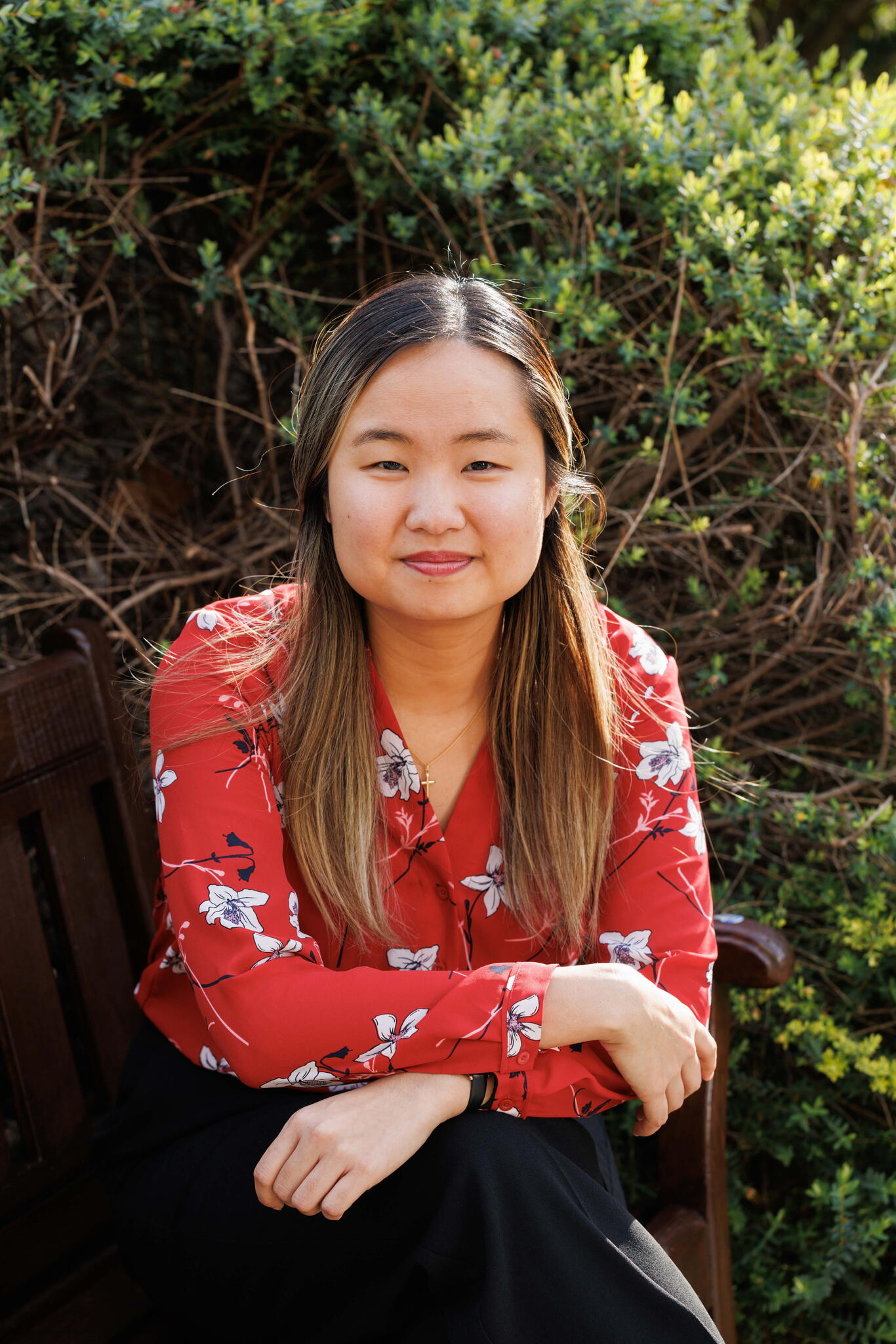
Kay Song is a postdoctoral fellow at the University of New South Wales Nuclear Innovation Centre. She completed her Bachelor of Philosophy (Honours) at the Australian National University before obtaining her DPhil in Engineering Science at the University of Oxford in 2024. She has been researching materials for fusion since 2018, covering metals and alloys for plasma-facing components, structural materials, and fuel cladding. Dr. Song's work combines insights from microstructural characterisation and material property examination, mainly using micromechanics and diffraction techniques, to understand irradiation damage in nuclear-relevant materials.