
 Department of Psychology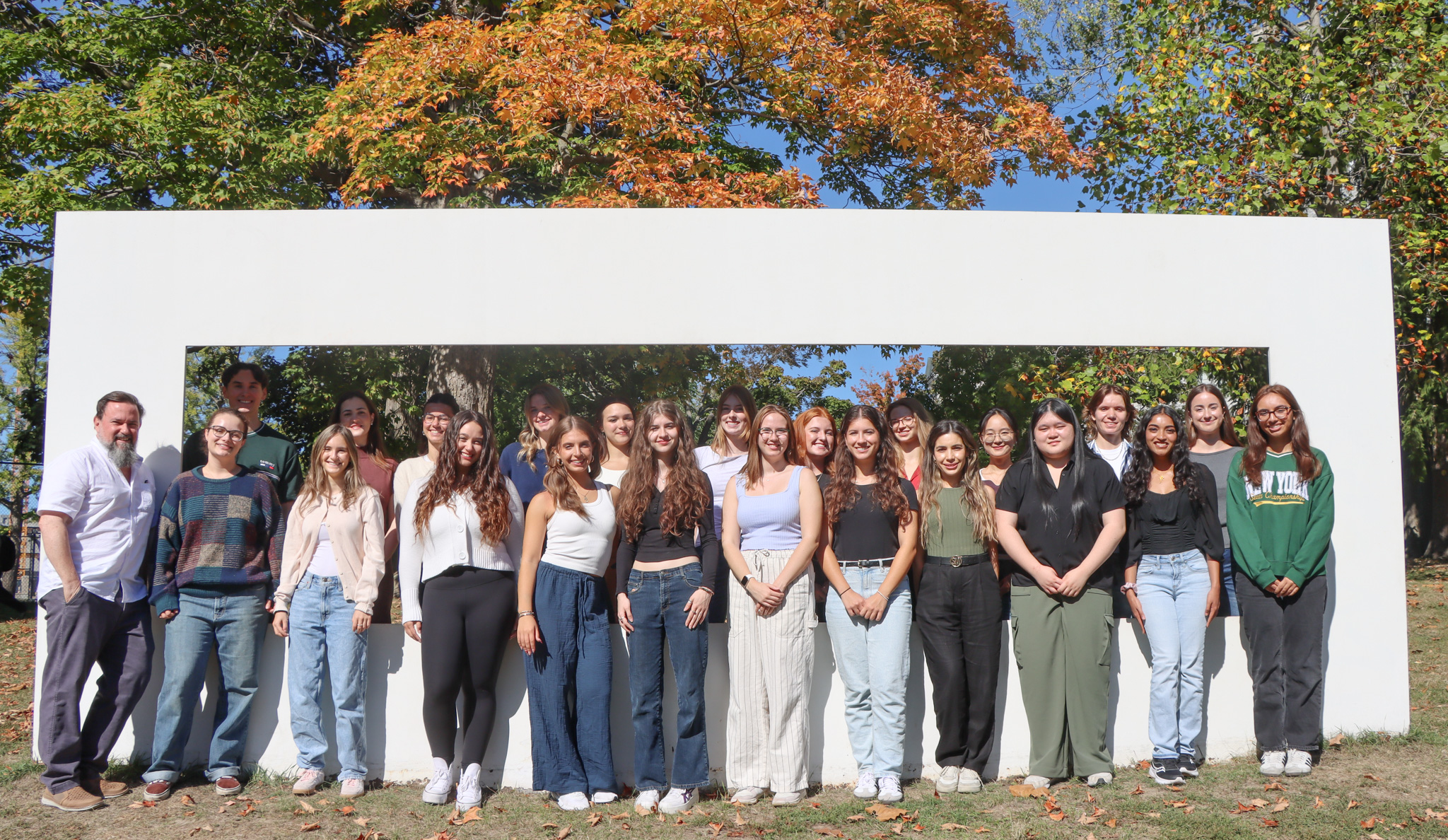
Bottom row (left to right): Tom Hollenstein, Reagan Armstrong, Brooke Saks, Brielle Baxter, Elina Makrakis, Kylee Allat-Cosby, Zoe Florizone, Katrina Mascherin, Javiera Romo, Isabelle Chen, Gabriya Varghese, Seva Gill
Top row (left to right): Hamish Jansen, Katie Faulkner, Chloe Levy, Alex Dinsmore, Maya Newton, Aiden Douglass, Georgie Pinder, Ryan Thompson, Xinyue Zhang, Alicia Hartlieb, Ada Savas
Not Pictured: Sarah Steadman, Jamie Weiner, Julia Di Cecca, Hannah Arsenault, Emma Galarneau, Vanessa Martin, Alexandra Tighe, Mya Missere

Current Post-Doctoral Researchers

Dr. Emma Galarneau, Ph.D.
Research Interests: My research explores how adolescents’ experiences of stress can affect the development of emotion regulation repertoires and well-being. Additionally, I am interested in how certain emotion regulation strategies and emotion regulation repertoires might be differently useful or effective for LGBTQ+ youth dealing with unique social-emotional experiences and stressors.
Current MSc/PhD Students

Alexandra Tighe
Current Year: PhD 7
Research Interests: I am interested in socioemotional development across childhood and adolescence. In particular, I am interested in the study of flexibility in emotion regulation and its impact on adolescent development.

Vanessa Martin
Current Year: PhD 5
Research Interests: My research interest surrounds the developmental needs and milestones of adolescents and how parents can meet these needs through acting as a resource to their child. More centrally, my focus is on emotion socialization and how parents can aide their child in developing an effective relationship with their emotions in order to optimize wellbeing throughout adolescence and into adulthood. Additionally, I believe that emotions are inherently social, and that in learning about emotions, we are really learning about ourselves in relation to others. For this reason, I have also taken an interest in identity development as a process, and the role parental autonomy granting plays in this process.

Katie Faulkner
Current Year: PhD 2
Research Interests: My research explores adolescent digital experiences and social and emotional development in digital contexts. I seek to understand how adolescents are using digital technology to achieve social and emotional developmental goals, as well as the parenting processes that unfold that shape adolescent digital experiences.
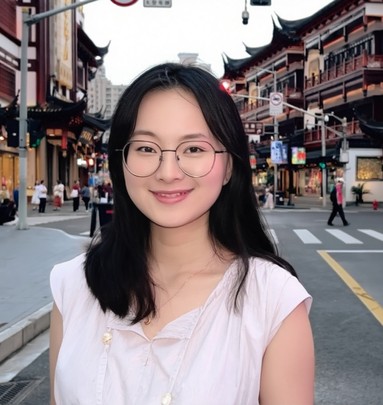
Xinyue Zhang
Current Year: PhD 1
Research Interests: My research investigates interpersonal psychophysiological coordination in parent-adolescent dyads. Using second-by-second analysis integrating physiological, behavioral, and self-report data, I explore the functional significance of real-time physiological coordination (e.g., dyadic co-regulation, emotion regulation strategies, relationship quality) and the related individual or contextual drivers. Ultimately, I aim to use these physiological indicators to further explore how developmental changes and individual characteristics influence dyadic interaction patterns.
Project Coordinator
Chloe Levy
Current Research Assistants
Reagan Armstrong
Brooke Saks
Brielle Baxter
Elina Makrakis
Kylee Allat-Cosby
Zoe Florizone
Gabriya Varghese
Seva Gill
Hamish Jansen
Alex Dinsmore
Maya Newton
Aiden Douglass
Georgie Pinder
Ryan Thompson
Katrina Mascherin
Sarah Steadman
Jamie Weiner
Julia Di Cecca
Hannah Arsenault
Alicia Hartlieb
Ada Savas
Isabelle Chen
Mya Missere
Project Students
Reagan Armstrong
Current Honours Students
Zoe Florizone
Research Interests: I’m interested in adolescent social media use, and how the research on it impacts policy and parenting. My thesis will assess the quality of cross-sectional studies on adolescent social media use and mental health outcomes, using a quality assessment tool that was designed and piloted by a team in the lab last year.
Ryan Thompson
Research Interests: I am interested in dynamic systems theory and the intersection of psychology and philosophy. For my thesis, I am studying the dynamics of entropy in conflict conversations between parents and their adolescent children, by looking at how the predictability of their dialogue patterns develops over the course of a discussion.