
Like hockey and maple syrup, peacekeeping has become a defining part of Canadian national identity and foreign policy. The symbolic blue beret of the UN peacekeeper reflects our values as a nation: peaceful but committed to the moral duty of intervening in dire circumstances to defend the principles of human dignity. Prime Minister Lester B. Pearson was one of the earliest contributors to peacekeeping in its modern form. Pearson won the Nobel Peace Prize for leading a UN-enforced buffer zone between combatants during the 1956 Suez Crisis and was crowned the “father of modern peacekeeping.” In total, Canada has contributed approximately 125,000 soldiers, civilians, and police officers to UN peacekeeping operations, a significant contribution for a middle power with a population of its size.
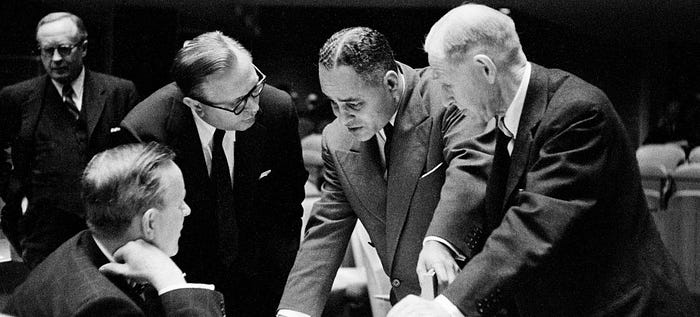
As a result, peacekeeping remains a deeply popular and virtuous element of Canadian global influence. However, the past decade of Liberal governance has come with a historic low of peacekeeping involvement, with only 22 Canadians serving in UN peacekeeping missions as of 2025. Amidst increasingly unstable global security, some argue that now is an appropriate time for Canada to re-engage in the international peacebuilding process through the commitment of peacekeepers. This piece will examine Canada’s history of engagement in UN peacekeeping and analyze the practical reasons that are contributing to the current era of disengagement.