
Fall 2025
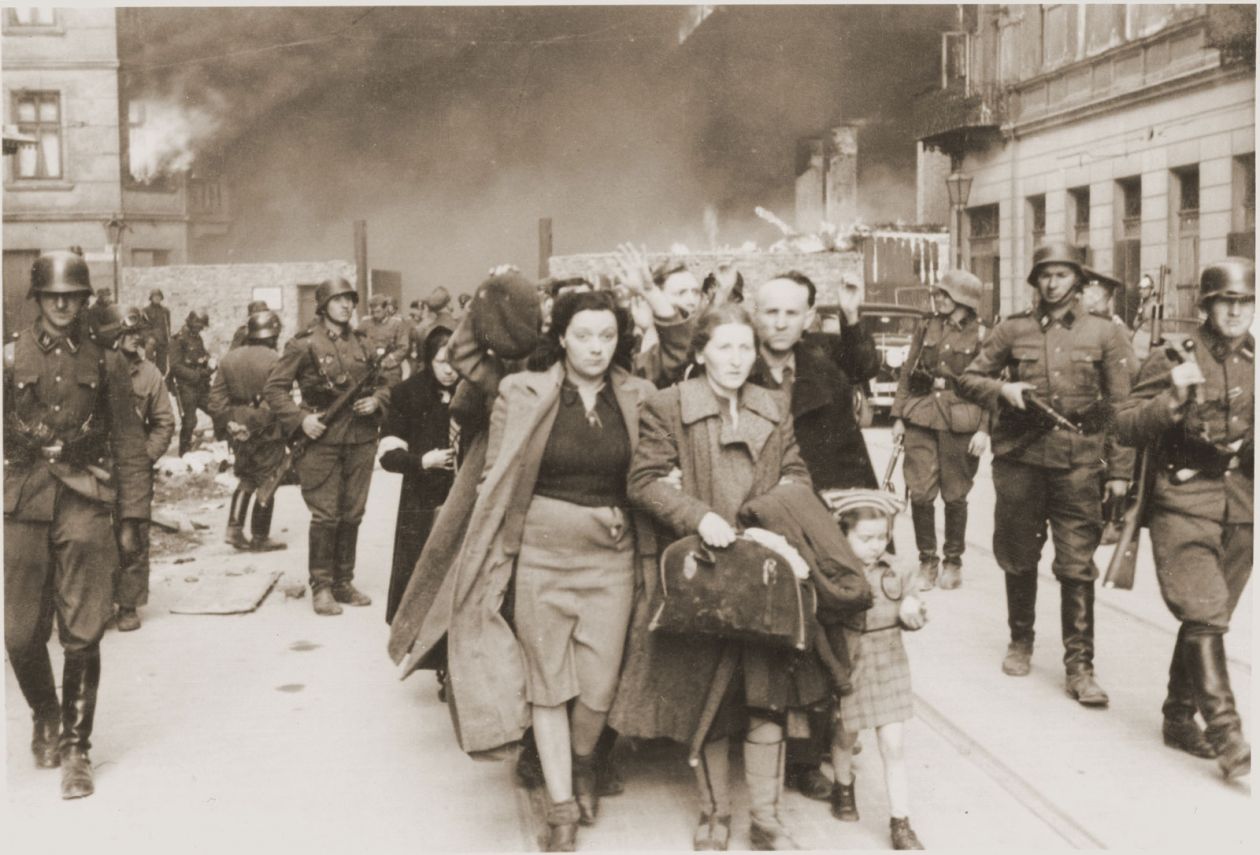
The background to and processes of the destruction of the Jews of Europe between 1933 and 1945. Themes to be covered include: modern anti-semitism, Jewish communities in the inter-war era, Nazi racial policies, the Judenrat, the organization of the death camps, the attitudes of the Christian churches, the role of collaborators, the ideology of mass murder, and the questions of ‘compliance’, ‘resistance’, and ‘silence’.
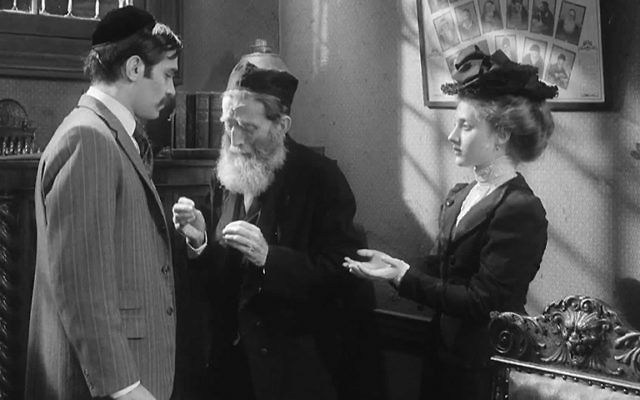
This course explores the North American Jewish engagement with modern ideologies such as secularism, antisemitism, liberalism, nationalism, socialism, feminism, and neo-conservativism. Other specific topics include the secularization of universities; the recent retrenchment of Orthodox Judaism; and the resurgence of ‘popular atheism’.
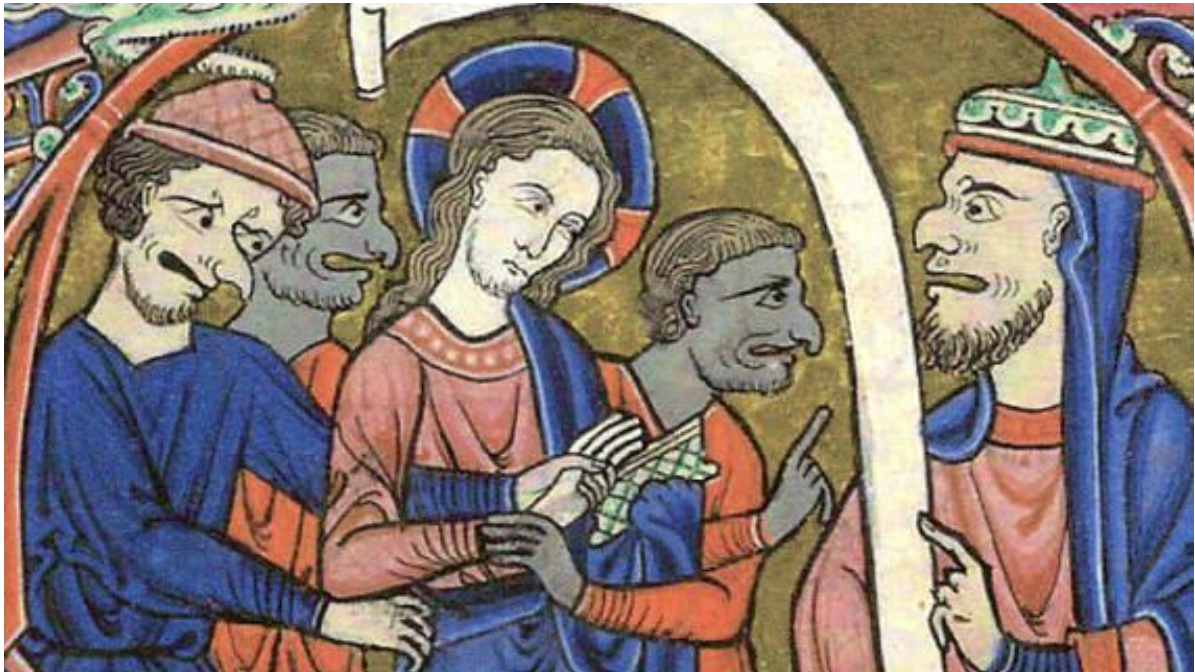
This course takes a sociological and comparative historiographical approach to persecutions of religious minorities (Jews, Muslims, and so-called heretics) a in the emergence of modern Western nation-states. Beginning with the early Crusades and concluding with the Wars of Religion and the Inquisition, students will: study how anti-minority persecution helped lay the foundations of the Medieval kingdoms of Sicily, England and France ; reconstruct the dynamic of mass expulsions and mass murder in German cites during the Bubonic Plague; and investigate the politics of ghettoization of Jews and Muslims in early modern Italy, among other topics. In addition to course readings, class presentations, and general discussion, seminar participants will devote a research paper to a case study on the relationship between historic religious persecution and political institutions, identity, and social movements.
Winter 2026
The Jewish presence in American filmmaking has long been the obsession of hate-mongers. But historians have begun to approach the matter as a legitimate subject of enquiry and have shown that it is possible to avoid the bigot-booster trap that so often plagues the study of hot-button issues such as this one. This course attempts to answer the following questions: Has Hollywood's “Jewishness” had a discernible impact on the content of cultural products? Have the changes in American society--and in the film industry--since the early 20th century had an effect on the way in which Jews and Jewish identity are represented on screen? Have Jewish images become “normalized”?
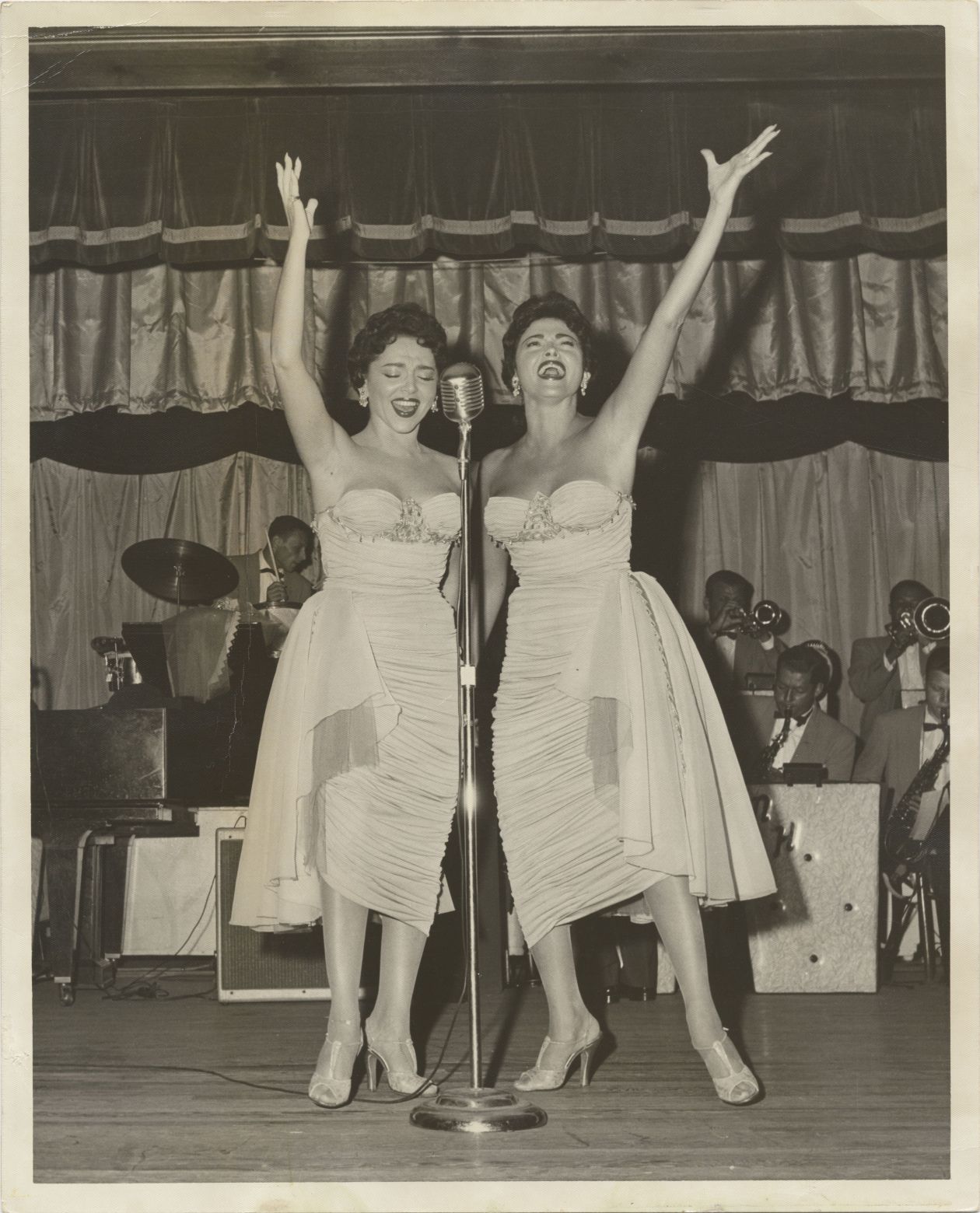
For over two millennia, Jewish communities around the globe have developed diverse musical cultures, shaped by migration, cultural exchange, political upheaval, and technological change. This course explores these cultures across a wide range of periods, locales, and musical genres, ranging from sacred music in Renaissance Italy to contemporary hip-hop. We will engage key questions in the study of Jewish music, such as: What do varied Jewish musical cultures have in common, and what does their diversity reveal about migration and cultural transmission? How have political changes—such as the Emancipation of European Jewry, the Russian Revolution, and the founding of the State of Israel—influenced Jewish musical expression? How do musicians draw on the Jewish past, both ancient and modern, to inspire new forms of creativity?
Students will acquire tools for analyzing music in both historical and contemporary contexts. No prior knowledge of music or Jewish culture is required.
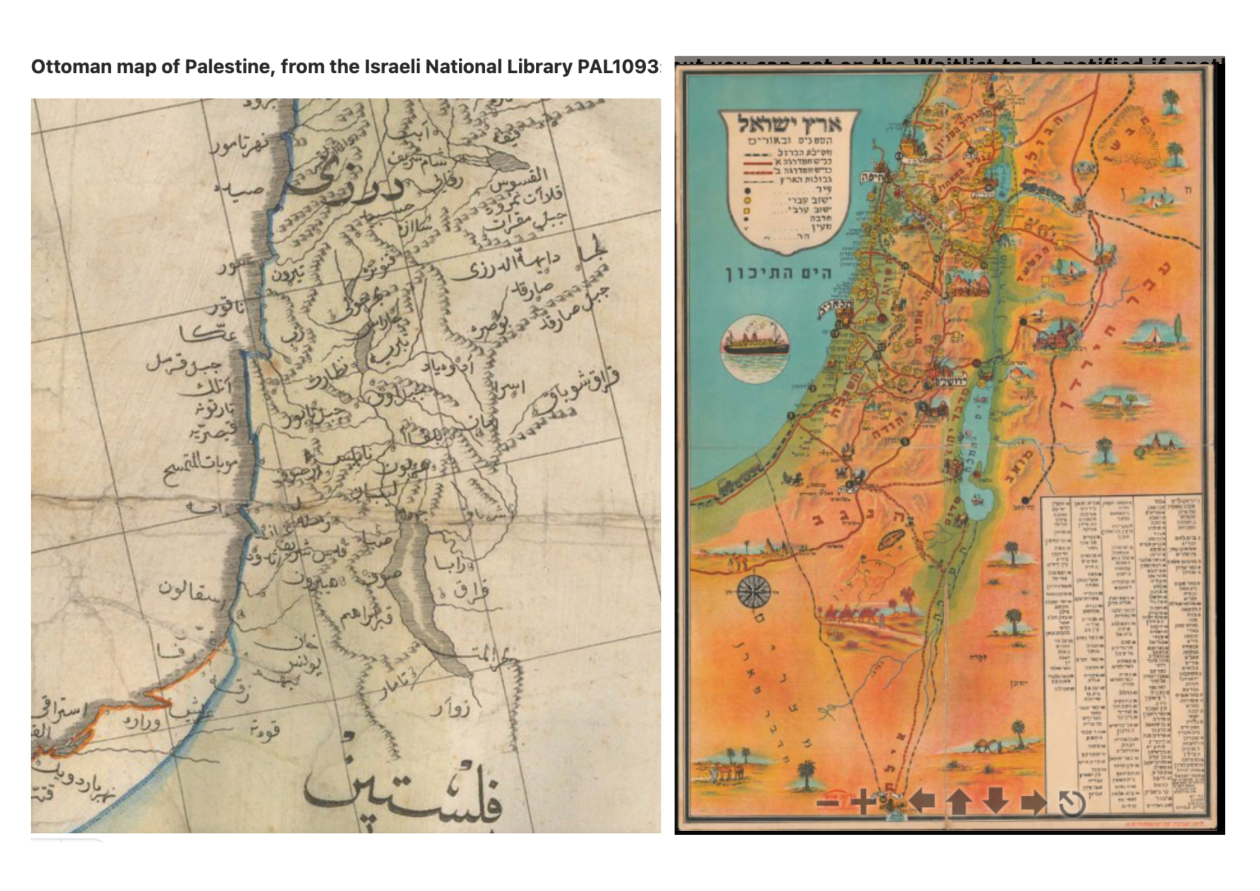
The contention of this course is that we cannot understand the history of the current conflict in Palestine/Israel in terms of the region, religion or political ideology alone. Rather to understand this long conflict demands a global context. This course introduces students to several intersecting histories, primarily but not exclusively those of the Jews of Europe and the Muslims and Christians of Ottoman Palestine, provinces where ancient sites and cities of pilgrimage for three world religions are found. Over the semester, the class will be introduced to some of the principle actors, conditions, and events, as well as the global dynamics (such as the Cold War) that have frustrated peaceful resolution and the implementation of international law. In addition to studying the social dynamics of war and resistance, the course will introduce students to the cultural contributions of Palestinian and Israeli writers, musicians and film makers.
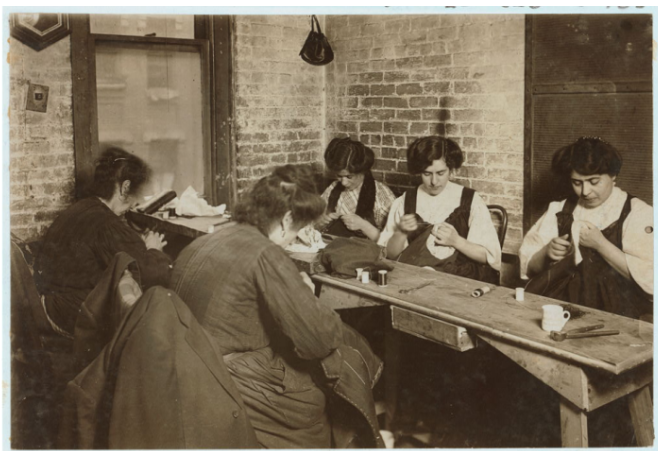
This course examines the rich and complex history of Yiddish language and culture in New York City from the late nineteenth century to the present. Tracing the development of Yiddish across both secular and religious communities, we will explore its diverse contexts—from early twentieth-century anarchist circles and mid-century Broadway portrayals to contemporary Hasidic pop stars. We will engage with a broad array of historical sources, including newspaper articles, poetry, cookbooks, films, and music videos, to analyze how different media reflect shifting patterns of language use and the construction of ethnic and religious identity. Through these case studies, the course will illuminate key themes in the history of North American Jewry, including immigration, religious and cultural assimilation, political activism, gender roles and identities, and participation in the American popular culture industry.
Full Year Courses
A fall/winter course taught in conjunction with HIST-295, the first half is a lecture that gives a broad overview of the Holocaust, and the second half is a seminar in which the main themes of Holocaust historiography are examined. Subjects to be covered: the difference between anti-Judaism and anti-Semitism, the origins of the "Jewish problem", European nationalism in the inter-war era, Nazi racial policies before WWII, the rise of the police state, the organization of the concentration camps and death camps, and the victims, perpetrators, and by-standers of the Holocaust.