
Research Promotion
The unique sights of Queen's research – photo essay
September 21, 2026
Share

With close to 100 submissions received, the Queen’s community will have the opportunity to learn more about these stunning images and videos over the course of the year.
They say a picture is worth a thousand words. In the case of Queen’s Art of Research, those words tell a powerful story of discovery and impact from a perspective rarely seen – the researcher’s own. The Queen’s photo and video contest takes the public behind the scenes of these one-of-a-kind views from researchers as they pursue research that is shaping the world. From stunning views of nature to microscopic discoveries that can improve everyday life, the ten 2026 contest winners capture the beauty of research while emphasizing the incredible impact these moments can have on the world.
"Art of Research brings us into research at Queen's through the eyes of the people who are doing it, and this year’s submissions offered some truly remarkable perspectives," says Patrick Deane, Principal and Vice-Chancellor. "It was difficult to choose just ten winners from so many strong submissions, each telling its own story of curiosity and impact, and I was especially pleased to see the community come together to help select the winning images and videos. They capture so much of what we plan to realize through our Bicentennial Vision, a university where people connect across perspectives and disciplines, pursue discovery with purpose, and use teaching and learning to make a tangible difference in the world."
The Queen’s Bicentennial Vision was the inspiration behind the 2026 contest, now in its 8th year, with the launch of new categories to showcase the researchers in action. With close to 100 submissions received, the Queen’s community will have the opportunity to learn more about these stunning images and videos over the course of the year with in-depth interviews, a social media series, and on-campus installations.
Art of Research winners

Category: Understanding the Earth and Universe
Earth’s Layered Legacy: From Rock to Resource
Researcher: Tianyu Zhao – Postdoctoral Fellow, Robert M. Buchan Department of Mining
Queen’s Lab: Hydrometallurgy and Environmental Group
Location: Antelope Canyon, Arizona, United States
These layered sandstone waves of Antelope Canyon are shaped by millennia of water and wind. They mirror the geological strata we study to locate and extract mineral resources. As a mineral scientist, my work builds on these natural processes to responsibly explore and utilize Earth’s mineral wealth. This image is a reminder that our most valuable resources are written in the rocks around us, a timeless testament to the planet’s quiet generosity and our shared duty to steward it wisely.
Category: Advancing Next-Generation Computing
Real-time North Cascadia Tsunami Simulation
Researcher: Ian Karlin – Faculty, Electrical and Computer Engineering
Location: Pacific Ocean – West coast of North America at Canada-United States border
High Performance Computing is applied to many areas of societal importance. This video shows applying it to real-time Tsunami prediction. Using 512 GPUs for over 500 hours, we precompute the dynamics of a Cascadia fault earthquake and the induced tsunami generated in the ocean. These precomputations support generating accurate tsunami forecasts, using seafloor sensor data, in a fraction of a second when an earthquake occurs. This enables fast evacuation where needed and not evacuating people unnecessarily. My research in improving High Performance Systems design and applications performance directly improved the speed of this and other related simulations making them practical.
Collaborators: University of Texas, Austin, Lawrence Livermore National Laboratory, University of California, San Diego, and NVIDIA
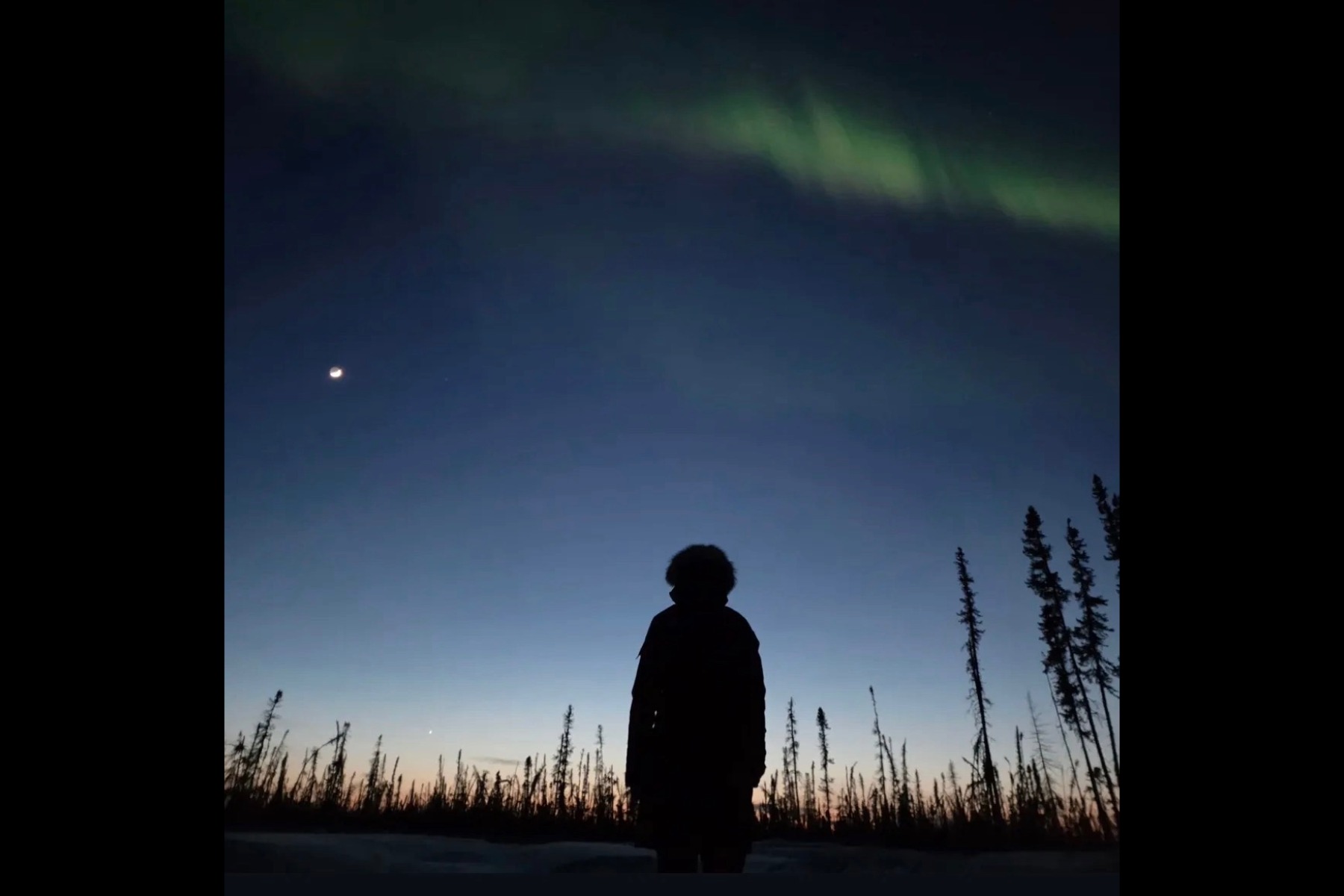
Category: Building Inclusive and Sustainable Societies
Still Standing
Researcher: Lydia Morrow – MASc Student, Civil Engineering
Queen’s Lab: Cryo-Hydro(geo)logy Interdisciplinary Laboratory (CHIL)
Location: Scotty Creek Research Station, on the lands of the Łı́ı́dlı̨ı̨ Kų́ę́ First Nation, Northwest Territories, Canada
A researcher pauses under the northern lights at Scotty Creek Research Station on Łı́ı́dlı̨ı̨ Kų́ę́ First Nation territory, surrounded by the ghostly silhouette of trees killed by a 2022 wildfire. That event sits at the heart of my research. My work examines how wildfire and permafrost thaw affect mercury cycling and water quality in subarctic peatlands. These landscapes are growing increasingly vulnerable as wildfire frequency and intensity continue to rise across the Canadian subarctic.
Category: Promoting Health and Wellbeing
Uncovering the Lung Immune Response to Wildfire Smoke through Real-Time Imaging
Researcher: Max Housefather – MSc Student, Biomedical and Molecular Sciences
Queen’s Lab: Kubes Lab & Sinclair Cancer Research Institute
Location: Botterell Hall, Queen’s University
The frequency and intensity of wildfires is increasing due to climate change. Smoke from wildfires can cause significant morbidity in people with respiratory diseases such as asthma. However, the pathobiological effects of wildfire smoke remain poorly understood. Using cutting-edge microscopes, our group is uncovering the impacts of wildfire smoke inhalation through real-time imaging of the lung. In this timelapse of a wildfire smoke-exposed mouse, green-labeled neutrophils are visualized crawling through blood vessels as cyan-labeled macrophages (which help clear inhaled smoke particles) patrol the alveoli. This research aims to reveal new mechanisms and treatment options for asthma exacerbated by wildfire smoke.
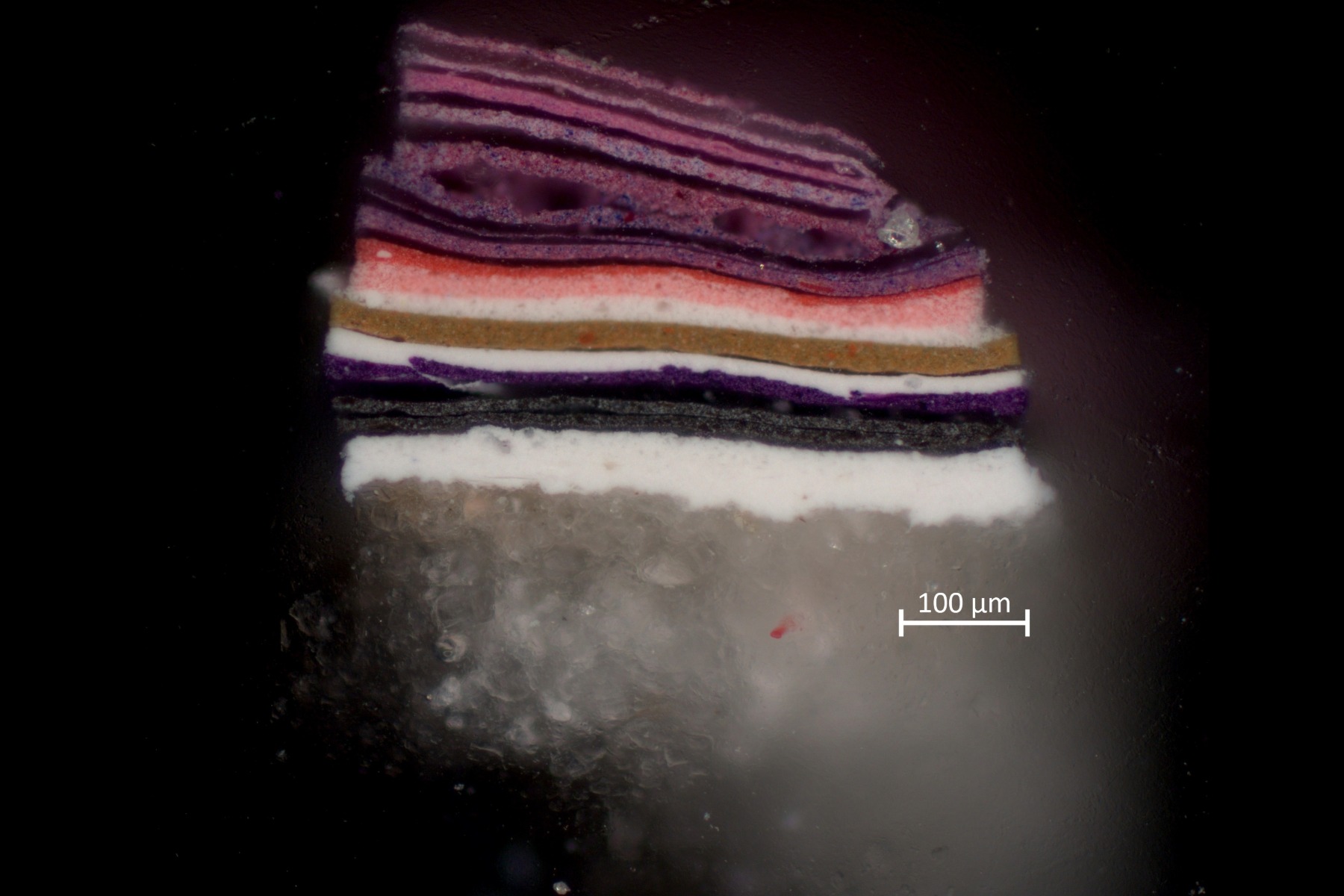
Category: Envisioning Just Futures
Free Fall – Paint Cross-Section
Researcher: Axelle Chevalier-Héroux – MAC Student, Art Conservation
Location: Art Conservation, Queen’s University
This photo, taken with an optical microscope, depicts a cross-section of the layers of acrylic paint on a sample of Free Fall (c. 1973), an op-art installation made by the Canadian artist Frank Barry (1913–2013). It was captured during material analysis to explore the layered structure beneath the surface of the panel painting. The cross-section reveals a complex colour stratigraphy, with up to 20 layers and colour variations—such as white, grey, purple, ochre, bright pink, and red—that would not otherwise be visible. It highlights the artist’s understanding of colour theory and a trial-and-error process.
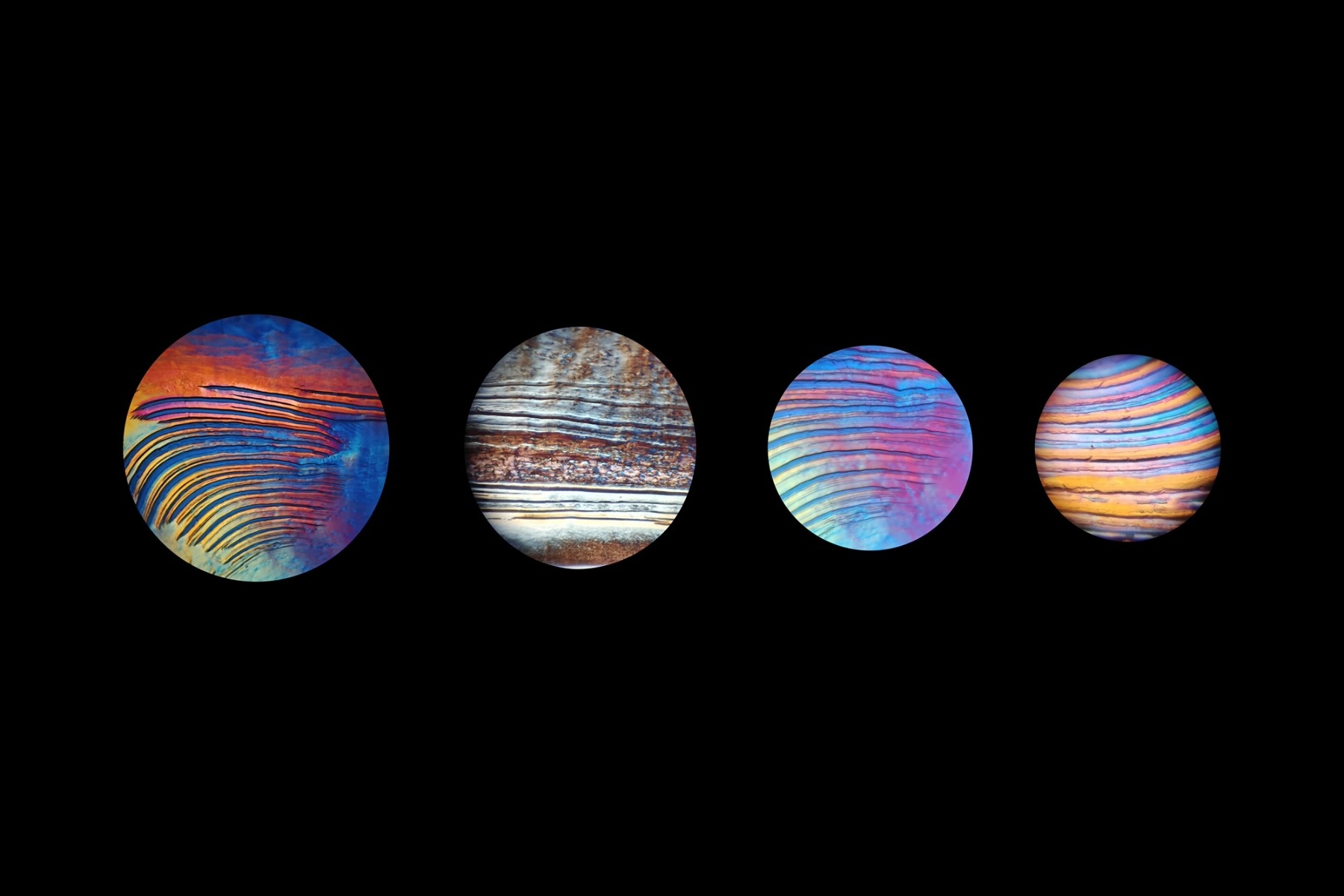
Category: Delivering Materials for the Future
Planets from Plants
Researcher: Mostafa Rammal – Postdoctoral Fellow, Chemical Engineering
Queen’s Lab: De France Lab
Location: Biosciences Complex, Queen’s University
What appears to be from a galaxy far, far away is actually the self-assembly of plant-derived cellulose nanocrystals during evaporation, captured using a polarized light microscope. As water evaporates, capillary flow drives the suspended nanocrystals toward the edge, forming the well-known coffee-ring effect. During this process, the rod-like cellulose nanocrystals spontaneously organize into twisted crystalline structures. These ordered regions produce iridescent colours that resemble astronomical structures. Understanding these assemblies is essential to my research, which aims to integrate these nanocrystals with polymers to engineer high-performance, sustainable materials.
Special Prize: Research in Motion
Pulling Solidarities: A Collective Print Moment
Researcher: Alejandro Arauz – Faculty, Art History and Art Conservation
Location: Print Studio, Ontario Hall, Queen’s University
This video documents a moment from my research-creation practice, which focuses on mobilizing the printing experience and community archives. Conducted in collaboration with Dr. Qanita Lilla and supported in part by SSHRC research funding, the work is part of the Tracing Kingston’s Solidarities project, specifically Movement #3. In this phase, I worked collaboratively with nine community members to activate and reinterpret their personal archives. The print shown captures a moment of shared authorship, as participants engage directly in large-scale, self-publishing processes. Through printmaking as a collective practice, the project explores how histories can be mobilized, reimagined (digitally, analog, and mediated), and made visible. These large-scale prints were also displayed on hoarding boards in front of the Agnes Etherington Art Centre on University Avenue during its renovation and a suite of prints from this work are now held at Queen’s W.D. Jordan Rare Books & Special Collections. This research contributes to building more inclusive cultural narratives by foregrounding community voices and fostering dialogue through art-making.
Participants: Lakith Ranaweera, Morganne Blackwell, Meghan Gibson, Olivia Gibson, Emily Gibson, Anita Bolt, Faten Mitwasi, and Jabra Mitwasi
Special Prize: Research in Motion
Between the Rows
Researcher: Diana Cordoba – Faculty, Global Development Studies
Location: Cauca Valley, Colombia
In the floodplains of the Cauca River Valley, runaway slaves once sought refuge in lands the plantation economy deemed unfit for agriculture. Post-abolition, Black communities built small, biodiverse farms there–cacao, plantain, papaya, and fishing–establishing collective food systems sustaining local economies and ecosystems for generations. Yet, in official land-use plans, these farms rarely appear. Through participatory action research with eight Black community councils, we gather in towns like Robles and Villapaz to map what official data ignores, developing planning instruments to bring these landscapes into formal land-use decisions. In land-use planning, what is not measured often does not exist. This project supported by a SSHRC Insight Grant asks what it would take for these landscapes to count.
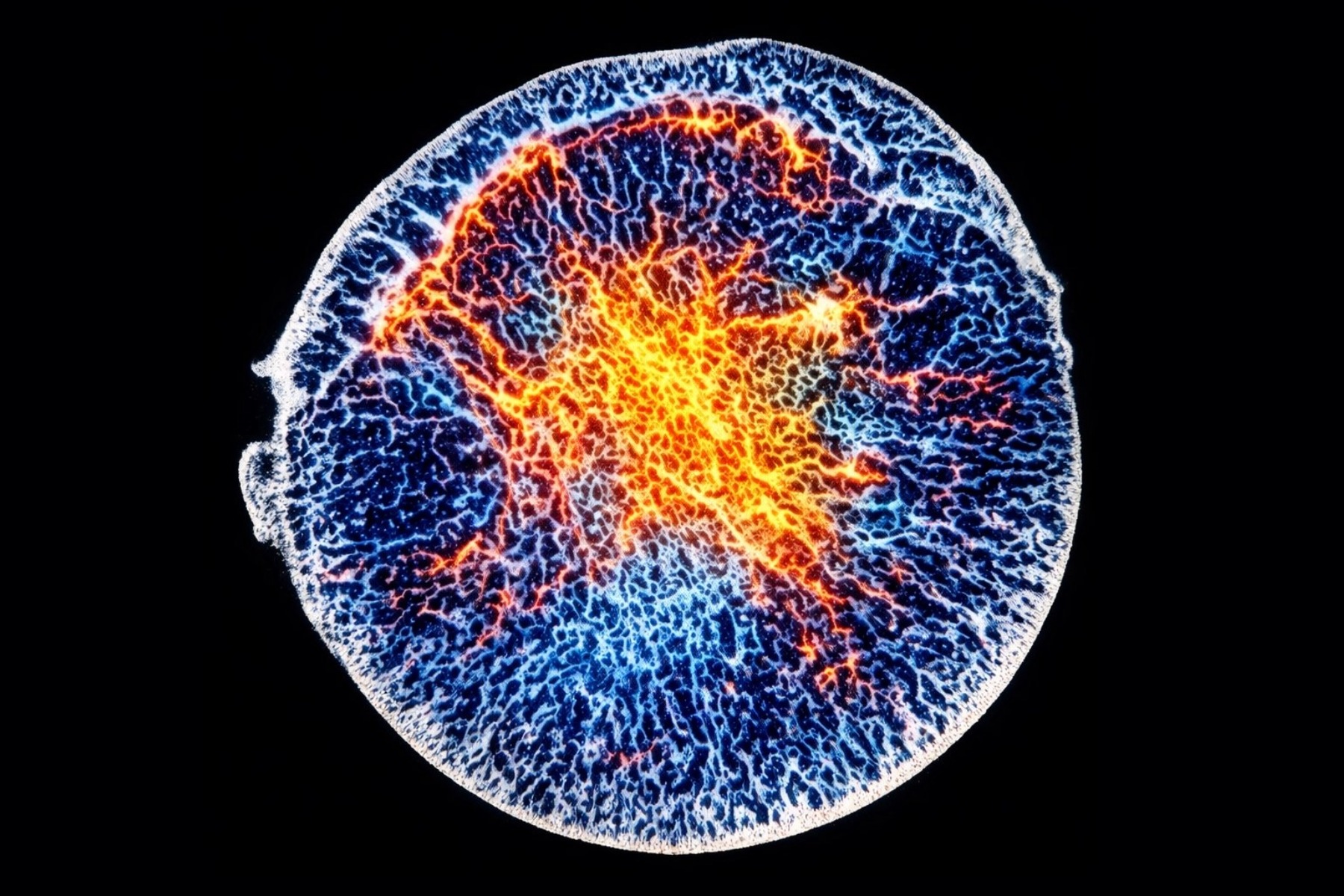
Special Prize: Narratives of Discovery
Stories Written in Our Bones
Researcher: Emily Cameron – PhD Student, Mechanical and Materials Engineering
Queen’s Lab: Queen's Small-Animal Imaging Laboratory (SAIL) & Centre for Health Innovation
Location: Queen’s University & Kingston Health Sciences Centre
At first glance, bone appears solid and unchanging. However, it is constantly adapting to how we move. This image shows the inside of a femoral head, the ball of the hip joint that carries us through life. Over years of walking, working, and playing, bone strengthens along the pathways used most often. These changes build an intricate internal architecture shaped by a person’s life in motion. These pathways resemble lightning across the sky, roots spreading through soil, or tree rings quietly recording a life lived. My research reads these patterns to design implants that work with the body’s natural architecture.
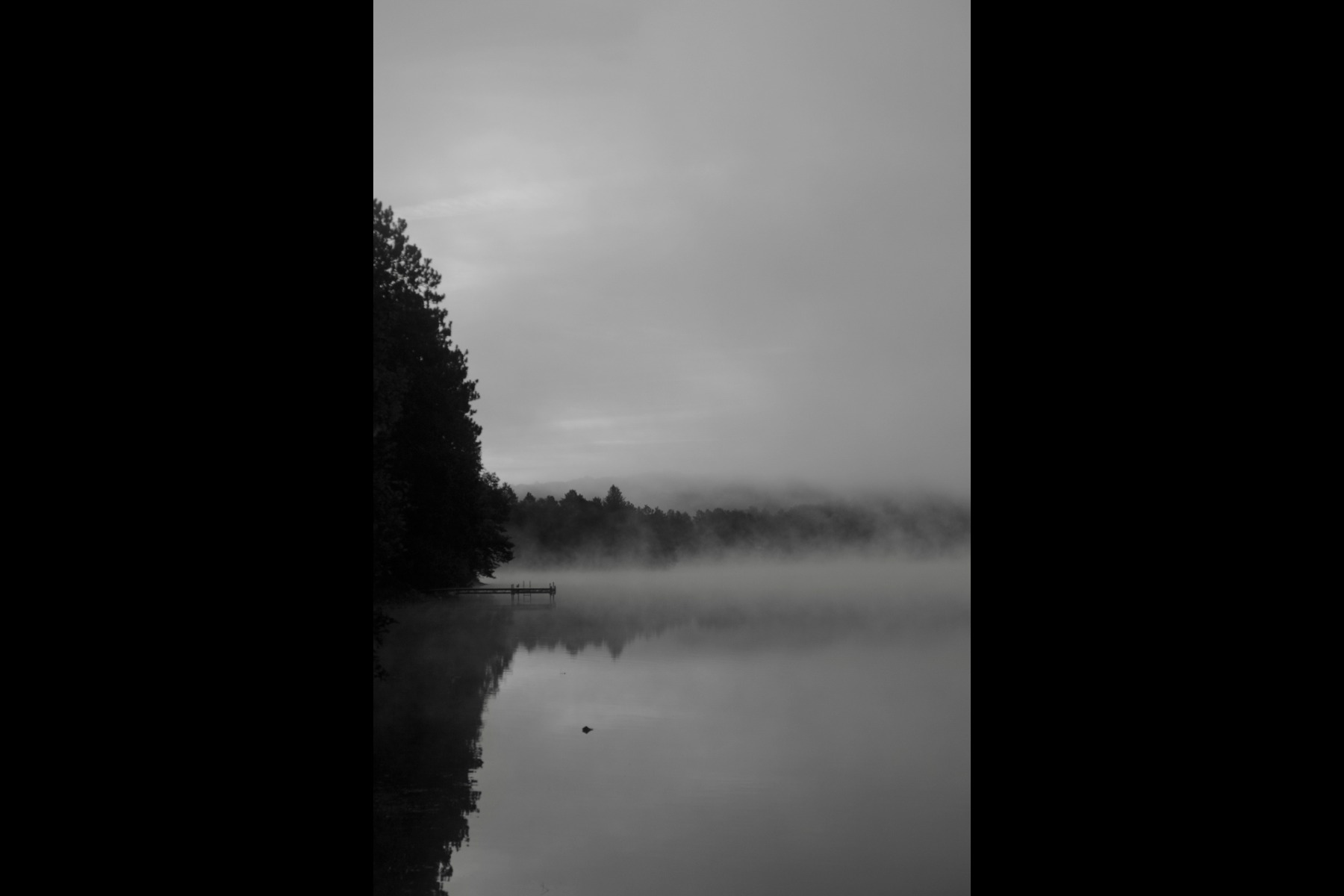
Special Prize: Narratives of Discovery
Haze
Researcher: Dakota Gustafson – MD-MSc Student, Public Health Sciences & Medicine
Queen’s Lab: Brooks Lab
Location: Barry’s Bay, Ontario, Canada
The mind after cardiac arrest does not return unscathed. It arrives the way morning comes to still water; slowly, incompletely, shadowed by something the doctors didn't warn you about. Haze captures that threshold state. The treeline exists, the dock is there, yet everything is heavy, muted, wrong in ways that are hard to name. Your life is reflected back at you, but you can no longer feel it the way you once did. Depression, anxiety, PTSD, these are the fog that settles after the heart restarts. My research asks the first necessary question: how many people are living inside it?
2026 Art of Research Adjudication Committee
- Shelagh Rogers, Queen’s Chancellor
- Patrick Deane, Principal and Vice-Chancellor
- Niki Boytchuk-Hale, Queen’s Rector
- Michael Fraser, Vice-Principal (University Relations)
- Nancy Ross, Vice-Principal (Research)
- Brenda Paul, Associate Vice-Principal (Integrated Communications)
- Xian Wang, Assistant Professor, Mechanical and Materials Engineering
- Allen Tian, PhD Candidate, Biology
- Tina Fisher, Senior Director, Brand, University Relations
- Ruth Dunley, Associate Director, Editorial Strategy, Advancement
- Eddie Daniels, Manager, Communications, Vice-Principal (Culture, Equity, and Inclusion)
- Catarina Chagas, Manager, Strategic Communications and Outreach, Vice-Principal (Research)
To explore past winners and discover more about their research, visit the Art of Research Gallery at the Vice-Principal Research Portfolio website.


