

Impact Report
26An annual snapshot of impact made possible by our community’s generosity.
Every day, we see the impact of alumni and donors. It’s in the critical support we offer students so they can be their best. It’s in the groundbreaking research that’s changing lives. And it’s at the heart of our campus and our university community.
Student Support
Alumni gift supports students through life’s challenges
For students carrying the weight of a major loss or significant personal challenge, financial stability can help shape everything. Now, thanks to the generosity of alumnus Matthew McGrath, Com’96, more students at Smith School of Business will have that support when it matters most.
Through a $1-million endowed gift, McGrath has established the Matthew McGrath Bursary to create sustained, multi-year funding for students entering the Commerce program. Awarded based on financial need, the bursary prioritizes students who have faced major personal or family challenges that have impacted their finances.
Matthew McGrath, Com’96If this bursary allows someone to focus on learning, building confidence, and moving forward with resilience, then it’s doing what I hoped it would.
One of the driving forces behind the bursary is to recognize perseverance. McGrath wanted to acknowledge the resilience of students who pursue their education while navigating significant change and uncertainty.
“University can be extremely transformative, but it can be equally overwhelming, especially for students dealing with a loss or other serious life challenges,” he says. “Having lost my mother during the high school years leading up to my time at Queen’s, I know this firsthand. And so, I wanted to help create a sense of stability for students in these situations at a time when everything else may feel uncertain.”
A one-of-a-kind partnership reimagines class giving
What happens when one generation of Queen’s engineers decides to pass the torch to the next? For Sc’70 and Sc’90 alumni, it marked the beginning of a unique partnership that will have lasting impact on student experience at Queen’s.
The Class of Sc’70 had been supporting the Queen’s Rocket Engineering Team (QRET) through its class fund for years when it invited the Class of Sc’90 to join forces. For Sc’90, it was a chance to give back after struggling to build momentum around its own fund, as well as providing an opportunity to reconnect with the hands-on engineering experiences that had shaped their own time at Queen’s.
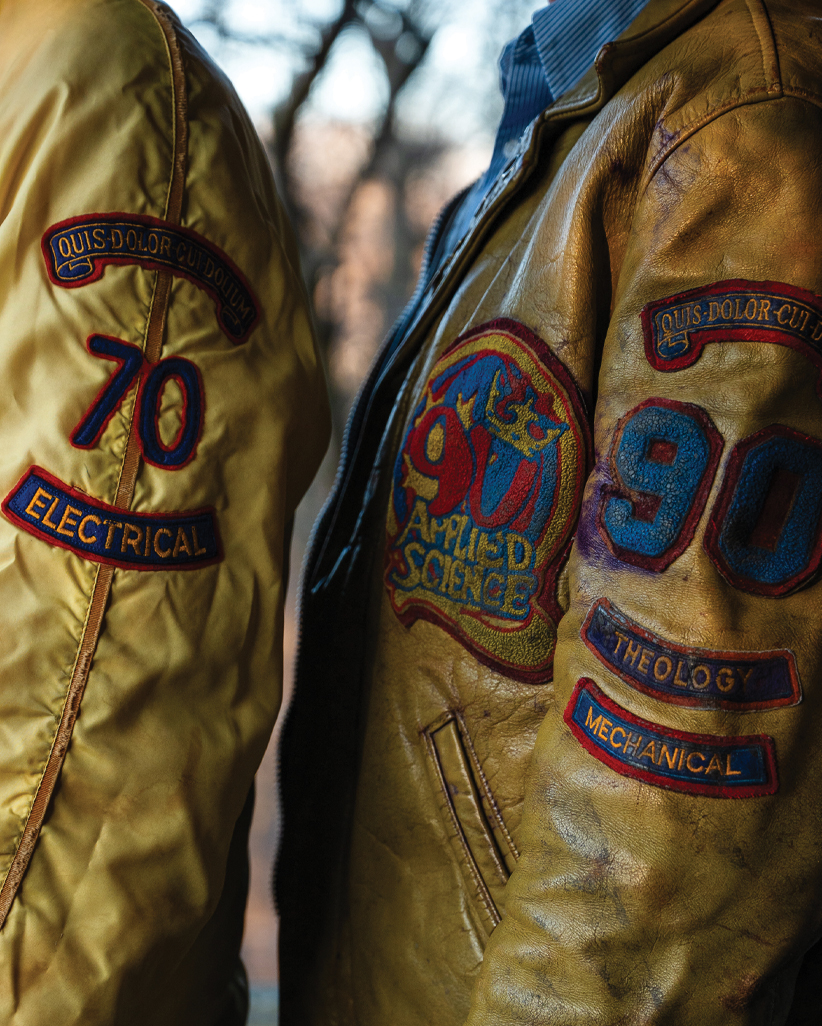
Officially launched at Homecoming 2025, the partnership joins the two classes to a shared fund supporting QRET. Sc’90 quickly moved past its initial $50,000 fundraising goal, and the combined support gives the student team greater stability for everything from travel to new rocket engines.
But the real payoff goes beyond the fund itself. Alumni are now working alongside students, offering advice, industry connections and strategic guidance as QRET takes on increasingly ambitious projects.
All together, it’s a win-win-win. For Sc’70, it’s a way to ensure its legacy keeps moving forward. For Sc’90, it’s a chance to open a new avenue to fundraising. And for today’s engineering students, it’s a reminder that their Queen’s network can span generations.
3,977
students received donor-support financial assistance in 2024-25.
1,960
scholarships, awards and bursaries were funded by donors in 2024–25.
$18.8M
in donor funds were distributed directly to students in 2024-25.
Alumni gift brings new well-being course to Queen’s
For Christel Call, Arts’71, and her husband Ron, supporting student well-being at Queen’s is personal. About 20 years ago, they watched a young relative struggle with mental-health challenges at university, at a time when support was scarce and stigma was widespread. They responded by creating the Call Family Fund for Wellness – and they’ve been helping Queen’s students ever since.
Their latest gift is helping launch Well100, a new credit course from the Department of Psychology that gives undergraduate students practical, evidence-based tools for managing stress and building resilience. Students will explore the science of well-being, including the roles of sleep, exercise, diet and lifestyle, while putting techniques into practice.
Christel Call, Arts’71There are a lot of changes, you’re living away from home. So, we really believe that a focus on well-being is key to students’ academic and personal success during that time.
The course takes a deliberately broad approach, bringing together faculty expertise from psychology, psychiatry, public health, kinesiology, religion, English and Student Wellness Services. It also emphasizes students supporting one another and creating more open conversations about mental health.
For the Calls, it’s a natural extension of their decision to give back to Queen’s. Their motivation is simple: Christel says her positive Queen’s experience inspired her to “pay it forward” and help give today’s students the opportunity to have the same.
Gift from Canerector Foundation powers hands-on learning
For Smith Engineering faculty and students, the hum of the McLaughlin Hall Machine Shop is the sound of ideas taking shape. It’s where 3D printers, laser cutters, milling machines, and other state-of-the-art tech transform classroom concepts into real-world prototypes. And thanks to a new gift from the Canerector Foundation, that creative energy is about to grow even stronger.
The $1.5-million gift will fuel the kind of hands-on learning that increasingly defines the Smith Engineering student experience. It will support everything from programming to equipment to research at the 7,000-square-foot machine shop – a space where students learn by doing, experimenting, and working together. In appreciation of this generous support, the shop’s main bay area will be named the Canerector Foundation Machining Lab.
For Canerector CEO and Queen’s mechanical engineering alumna Amanda Hawkins, Sc’07, the gift is both a way to give back and an investment in the engineers who will shape what comes next. Hands-on experience, she says, gives students the chance to turn ideas into something real – and develop the practical judgment and curiosity great engineers need.
“Hands-on learning is where everything clicks,” she says. “When students spend time in the machine shop, they gain a true sense of what it means to turn an idea into something real. That experience builds the practical judgment and curiosity that define great engineers, and we’re proud to help make that possible.”
A legacy of support: How one alumna pays it forward
Tracey Stevens, Com’91, has taken a winding path through business, technology and education. But one thing has remained constant: her commitment to giving back.
Stevens began donating to Queen’s before she had even graduated, inspired by an alumna who helped her see philanthropy as a path to protect the future of education and expand opportunities for others. Nearly 35 years later, Stevens still makes an annual gift, most recently directing her support to the Smith School of Business Equity, Diversity, Inclusion and Indigenization Fund, which helps remove financial barriers for equity-deserving students and makes student experiences more accessible.
Her approach is simple. Stevens gives every year with the belief that small, consistent contributions can add up to lasting impact. She even makes her annual donation on Christmas Day, calling it “a little gift to myself, society and the future of education.”
Now, she has included Queen’s in her estate plans, extending that commitment into the future.
Her message to young alumni? Start small, start early and make giving a habit. Over time, she says, you can give more and strengthen the institutions that will shape our future.
Research Excellence
A gift to transform health-care innovation
A new investment in translational medicine at Queen’s brings researchers from across Queen’s together in a state-of-the-art facility that will have an immediate and lasting impact on Canadian health, accelerating clinical therapies and improving patient care.
It’s all made possible by a generous gift from the William J. Henderson Foundation that supports a collaborative hub for translational medicine – the Translational Institute of Medicine’s Core Facility (more widely known as TIME Core), now known as the W.J. Henderson TIME Collaboratory. The foundation’s $1-million gift underscores its commitment to Canadian communities through advances in health care and increases the likelihood that work in the lab will lead to commercial, clinical, and societal impact.
David Pattenden, Arts’67, MA’69, Law’71, MEd'74, LLD’03This groundbreaking Collaboratory will make earlier detection of disease, more personalized and compassionate treatments, and new therapies a reality today.
Often described as the bridge between scientific discovery and patient care, translational medicine helps researchers in the lab integrate scientific advances into real-world health treatments and tools. For patients in the health-care system, translational medicine can accelerate a critical diagnosis or provide access to life-saving drugs, tests, and therapies.
The W.J. Henderson TIME Collaboratory, located in the Biosciences Complex, gives scientists, doctors, and experts from a range of disciplines – faculty and students – a world-class facility and collaborative space for innovative research and experiential learning. Data exploration, visualization, and analysis, with a focus on research related to cancer, cardiopulmonary, inflammation, and neurodegenerative disease, will all be possible in the Collaboratory.
Since 2021, the university has supported:
145+
patents
75+
active licenses
$2.4M
in distributions
Building a stronger future for Indigenous health
A renewed gift is sustaining the Chair, Indigenous Health, at Queen’s Health Sciences (QHS) for another five years, continuing work that has had a lasting impact on students across the faculty.
A $1.5-million gift from Dr. Nancy Tatham, Artsci’86, Artsci’00, and her partner, Donna Henderson, is giving Indigenous health at Queen’s Health Sciences a stronger foundation for the years ahead. Not only will it sustain the Chair, Indigenous Health, for another five years, but it will also build on their original $1-million gift that established the position in 2021.
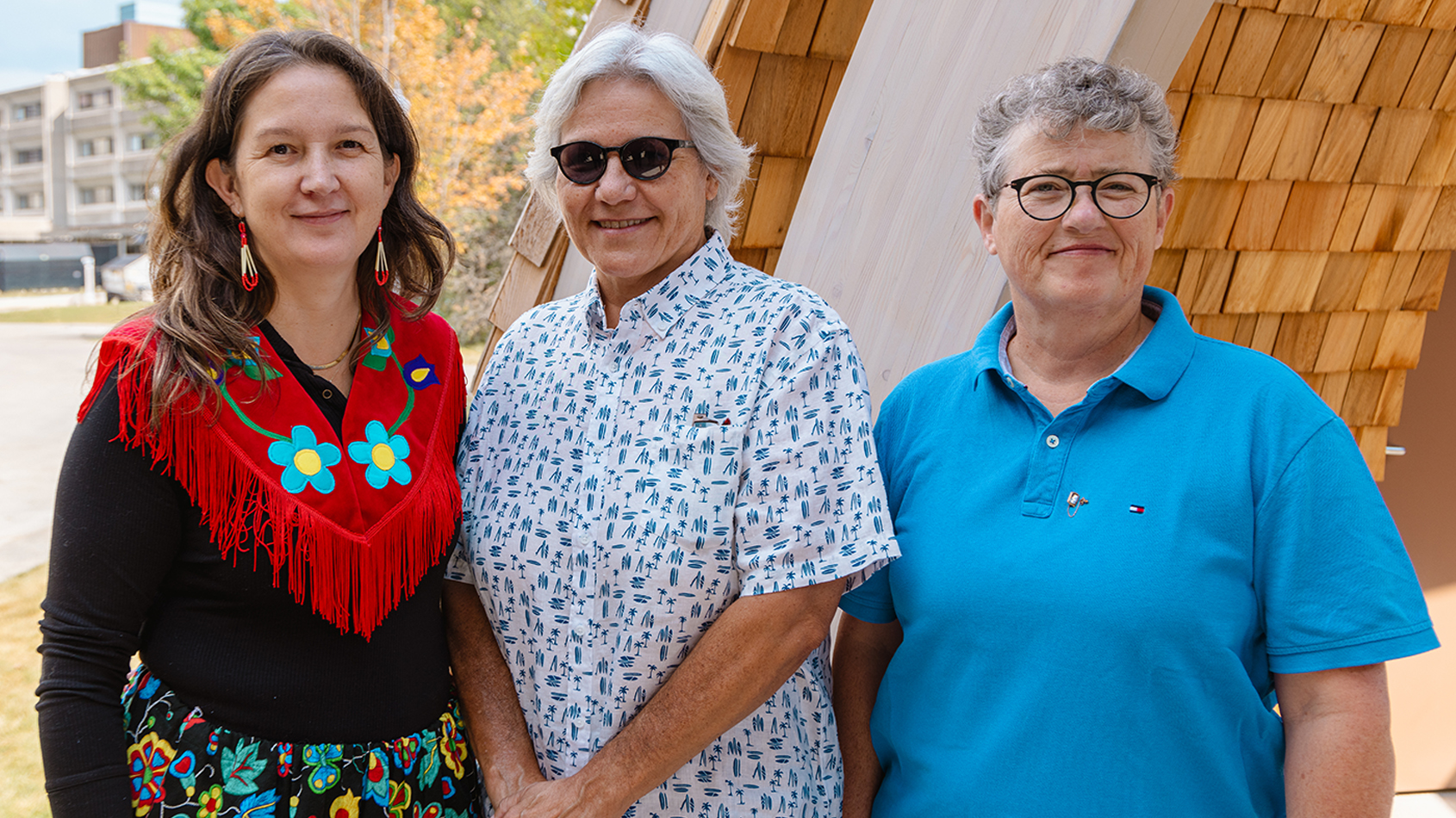
Since then, the Chair has helped make Indigenous health a more visible and enduring part of education, research and professional development at Queen’s. It has supported learners, brought Indigenous community members to campus and helped launch the QHS Indigenous Health Research Network, connecting researchers with First Nations, Inuit, and Métis communities.
For students, the impact can be deeply personal. Medical student Hannah Strasdin, from Saulteau First Nations, says seeing Dr. Sarah Funnell – an Indigenous physician and leader – showed her that Indigenous students belong in medicine and that Indigenous perspectives matter.
Now, Funnell can build on that momentum, strengthening Indigenous health scholarship, mentoring students and deepening relationships with Indigenous communities. The ultimate goal is bigger still: to prepare future health professionals to better serve Indigenous communities while advancing Queen’s commitment to reconciliation.
Research meets impact at Beaty Water Research Centre
In a rapidly changing world, natural resources are one of our greatest assets – and something we must better understand and protect. This is especially so for water, a driving force for economic growth, social well-being, and a healthy population in Canada and around the world.
The Beaty Water Research Centre is an interdisciplinary research hub at the centre of some of the most important questions for water-related disciplines, from engineering to natural, social, and health sciences. A unique interdisciplinary model, the centre facilitates the easy transition of new knowledge and innovation into practice to tackle real-world problems.
With research activities exploring water governance, use, resources and quality, the centre also plays an important host to enhanced multidisciplinary outreach programs designed to motivate students and the public to become water stewards in their homes, classrooms, and communities.
The centre’s reach extends from labs in Mitchell Hall, to the Coastal Engineering Lab on West Campus to the Queen’s University Biological Station north of Kingston, with research excellence demonstrating a deep commitment to solving real-world challenges such as coastal flooding, water quality, water contamination, and wastewater issues.
As we strive to safeguard one of our planet’s most critical resources, the Beaty Water Research Centre brings us to the crossroads of research and community impact, sustainability, and global relevance.

Campus and Community
Investing in experiential learning
Some of the most valuable lessons Greg Piasetzki, Law’80, learned at Queen’s happened outside the classroom. As a law student, he travelled with Queen’s Legal Aid to communities north of Kingston, working with real clients and discovering firsthand the benefits of experiential learning.
More than four decades later, Piasetzki and his wife, Laura, are helping give today’s students that same opportunity. Their $250,000 gift to the Queen’s Business Law Clinic will support its next phase of growth, expanding experiential learning while increasing access to legal services for eligible startups and not-for-profits in the Kingston area.
Greg Piasetzki, Law’80Being a lawyer is intellectually stimulating, but some of the greatest enjoyment I’ve had in my life was the result of getting involved and giving back to the communities that helped shape me.
The clinic plans to add a second review counsel to mentor and supervise students, along with 12 student caseworkers and two group leaders, increasing its capacity by 30 per cent. Students will gain more opportunities to tackle real-world legal problems with real clients, while community organizations gain access to legal expertise they might otherwise struggle to afford.
A leading intellectual-property lawyer, Piasetzki has spent his career giving back to the communities and institutions that helped shape him. His latest gift extends that commitment to the next generation of lawyers and reflects a belief in helping students put their knowledge to work long before graduation.
Giving Day helps students get more from sport and recreation
For Queen’s students, support on Giving Day can mean everything from better equipment and healthier meals to more opportunities to train, compete, and take part in sport and recreation. In short, fewer costs to shoulder themselves.
The annual September campaign brings alumni, families, friends, and fans together to give to the teams and clubs they care about. Since launching in 2023, Giving Day has helped those programs invest directly in the experiences and resources their students need.
Queen’s Women’s Basketball, for example, has used this support to purchase recovery equipment such as compression boots, take preseason trips to help the team start strong, and provide athletes with proper nutrition while on the road.
It’s been similar for Water Polo, where Giving Day donations have helped the team purchase new shot clocks and padded goalie headgear for concussion prevention, while also supporting off-season training and training equipment.
But whether students are competing on a varsity team or getting involved in a recreation club, the broader impact of Giving Day generosity is the same: more opportunities for students to connect, compete, and make the most of their time at Queen’s.
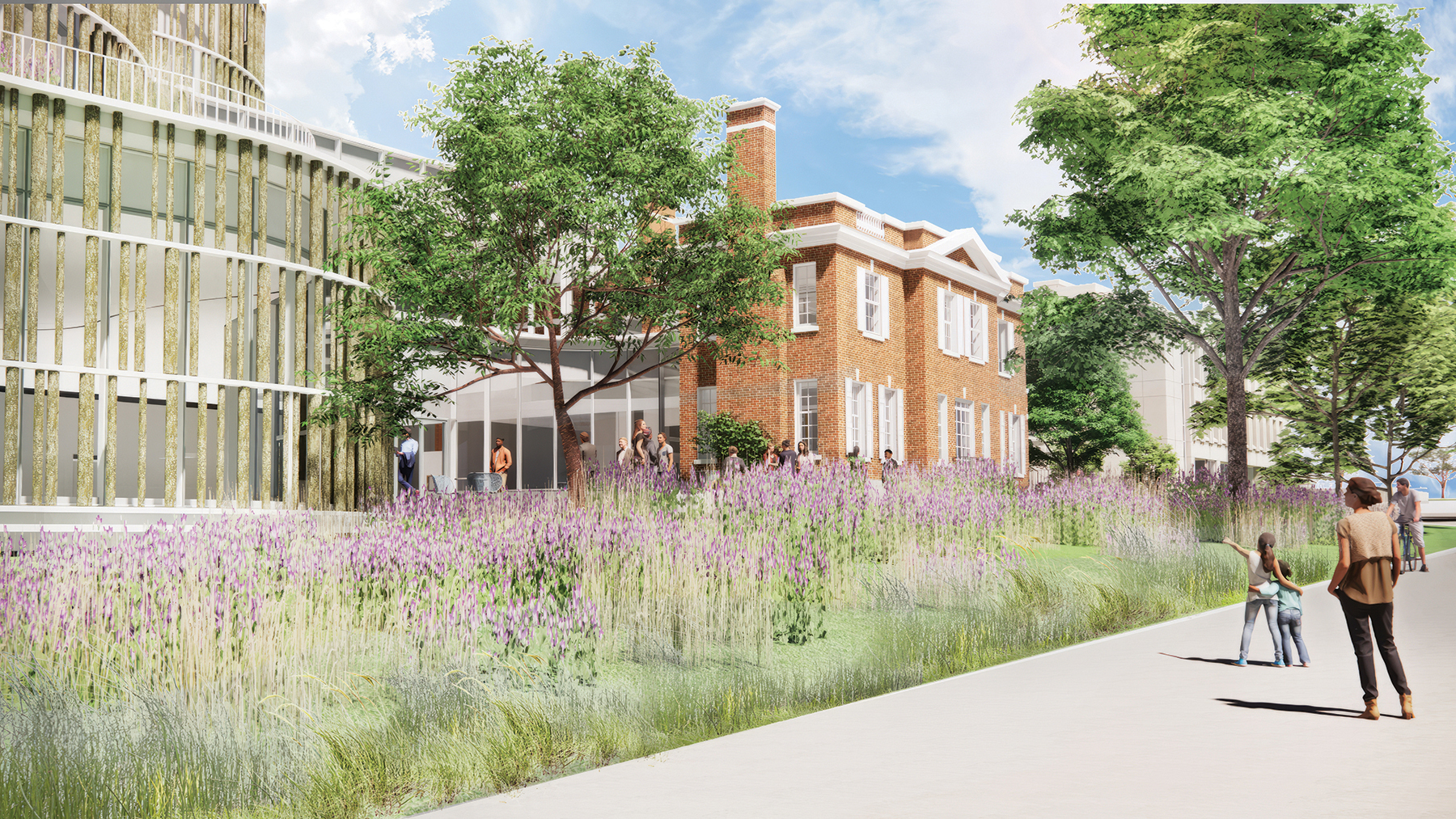
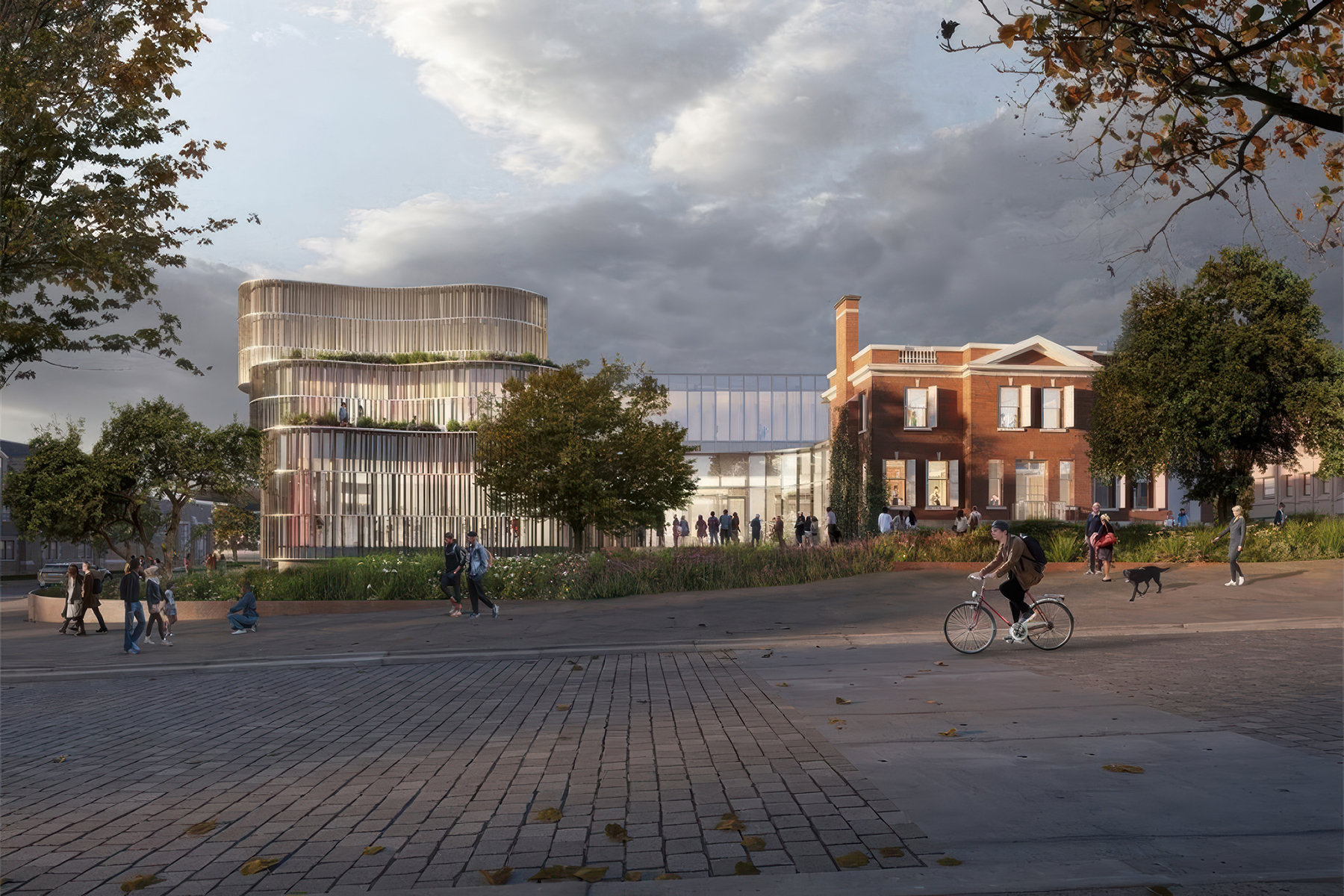

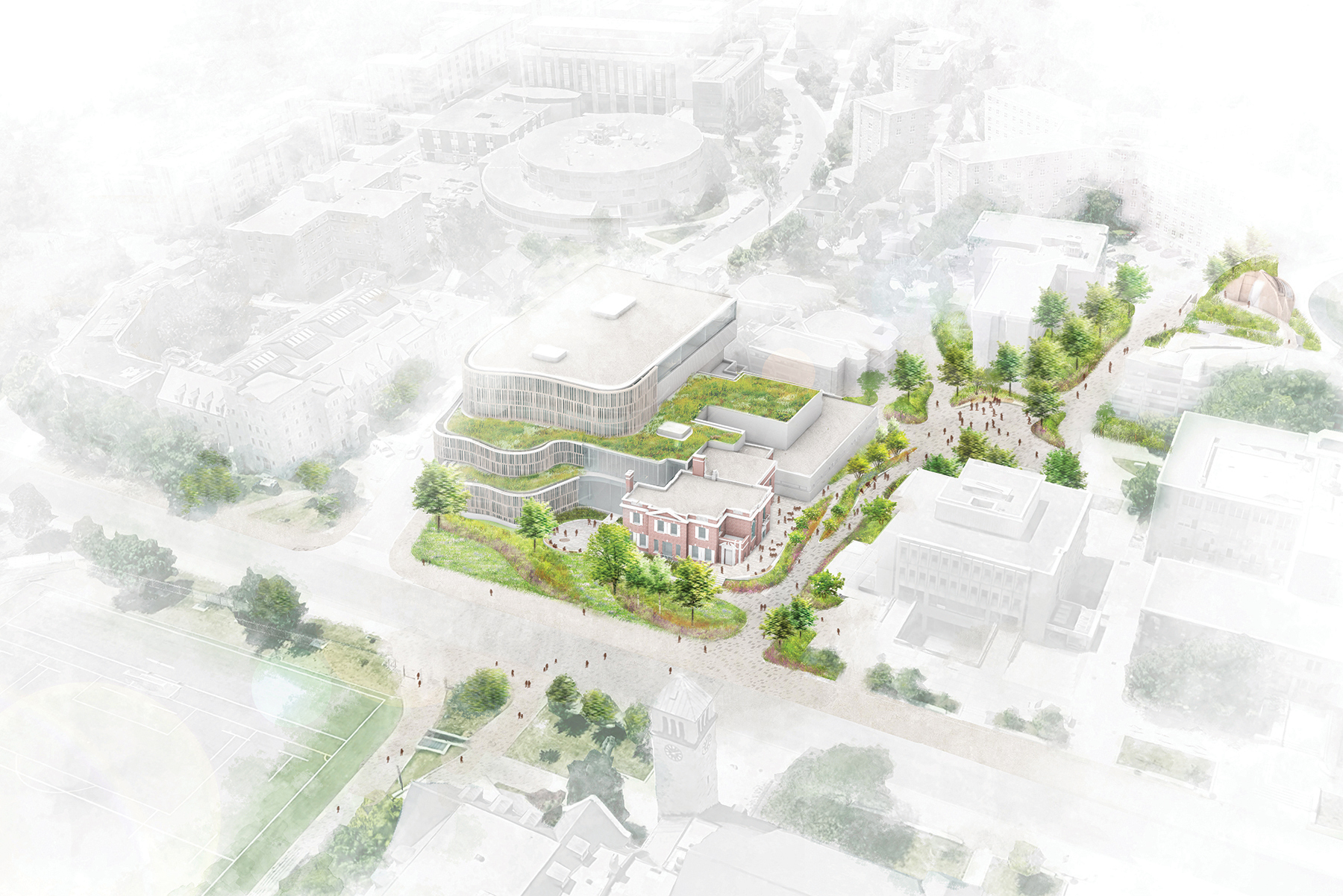
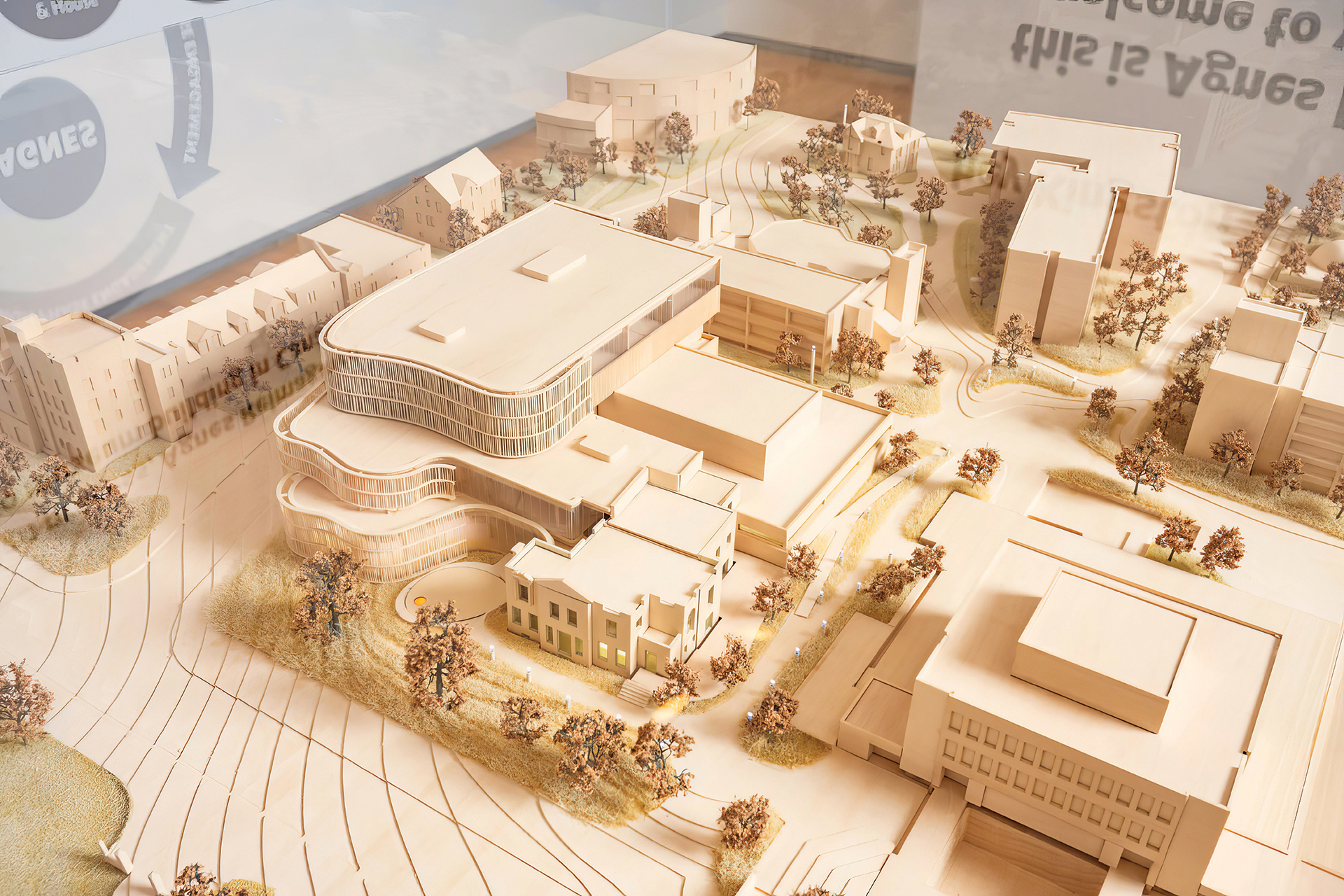
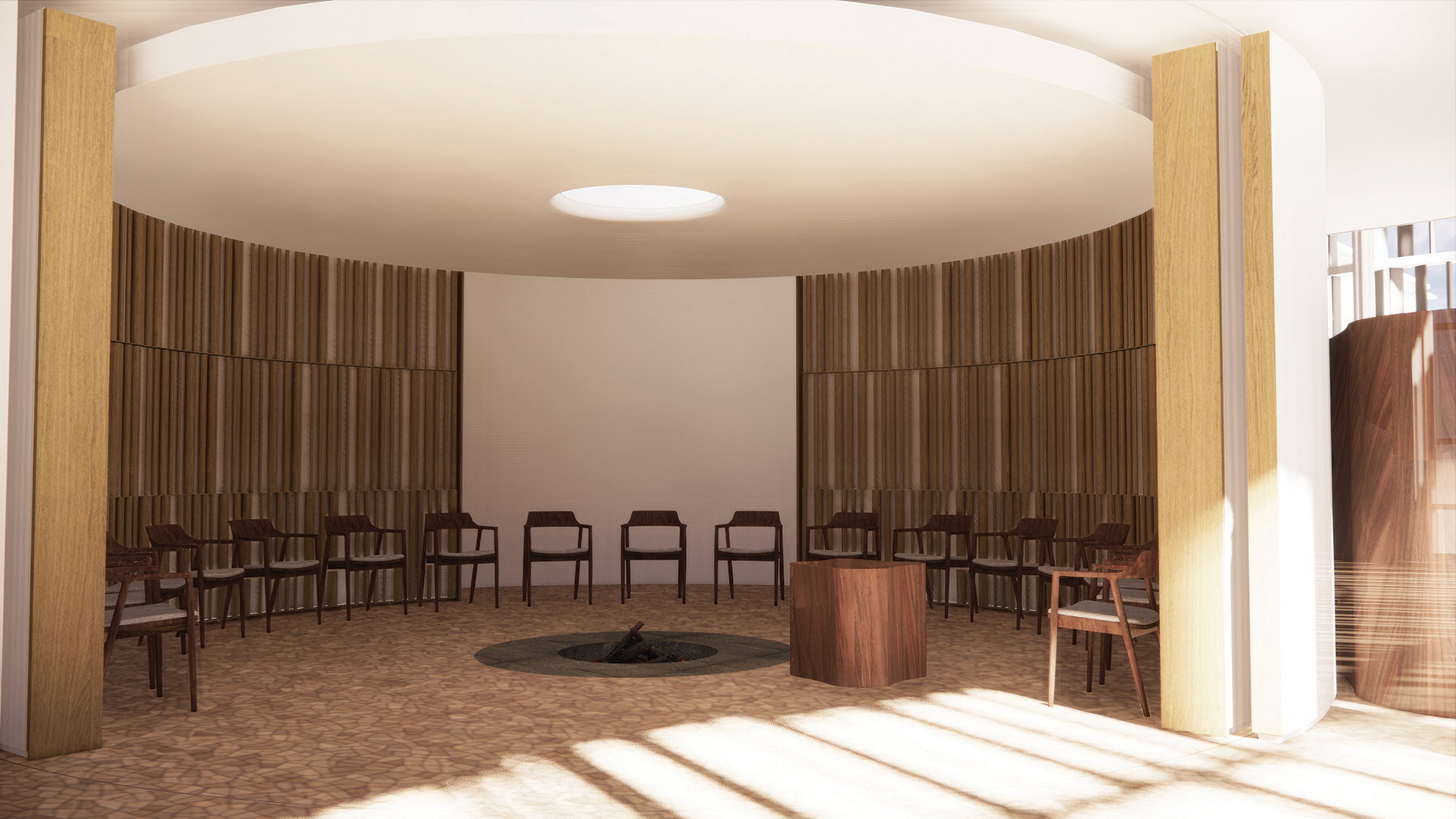
A new view of Agnes
The JDUC opens its doors to a new generation
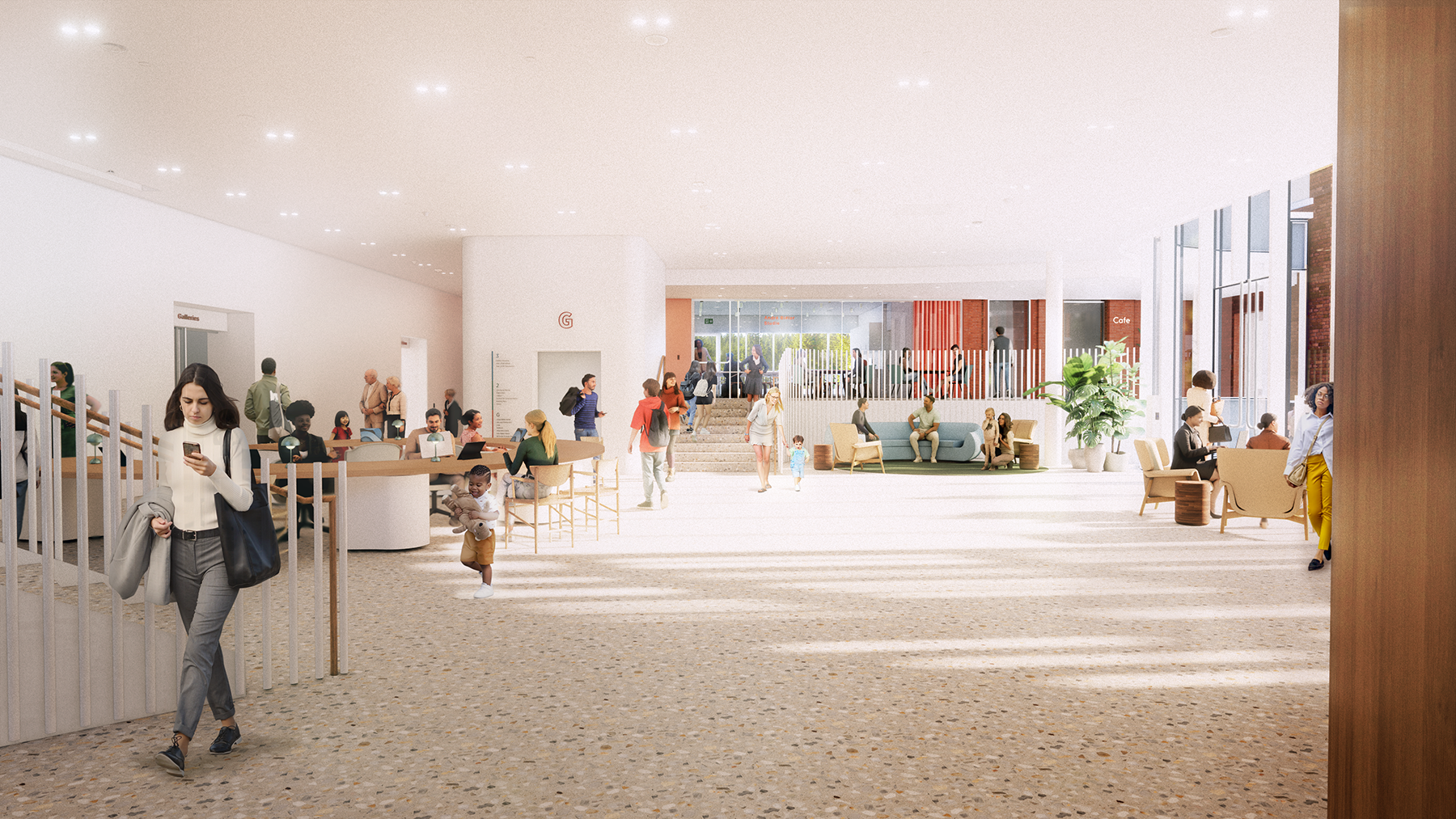
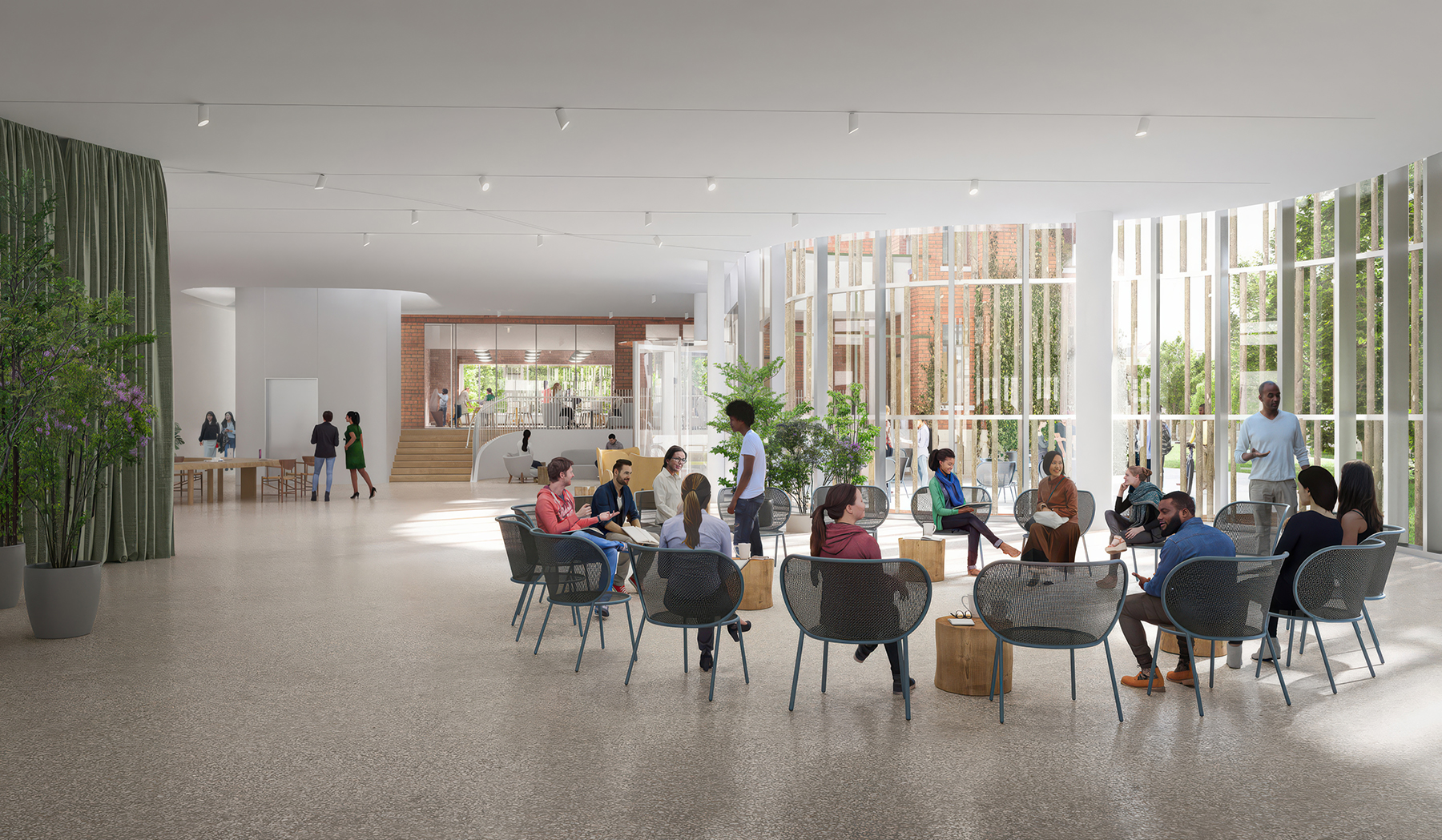
In the spring of 2025, the reopening of the John Deutsch University Centre, known affectionately as the JDUC, introduced what many believe to be the heart of Queen’s to a new generation.
One of the university’s most ambitious revitalization projects, the new JDUC is home to the Alma Mater Society, the Society of Graduate and Professional Students, the Office of the Rector, the Student Experience Office, and a new Health Promotion and Peer Support Centre.
More than 100 student clubs find space within the building, alongside a print and copy centre, and spacious new public study spaces, and an expanded Queen’s Pub with a patio. The Brew and Tricolour Outlet also occupy increased space and services.
And it was all funded by student levies, the university, alumni, and friends, bringing together the entire Queen’s community.
It’s only fitting for a place where friendships take root, ideas take flight, and traditions endure – and where Queen’s comes together, day after day, year after year.
The stories above are just a small sample of how alumni, donors, and members of our community are shaping Queen’s. Together, they tell an even bigger story – a story of vision and purpose that will create an enduring legacy for generations to come.