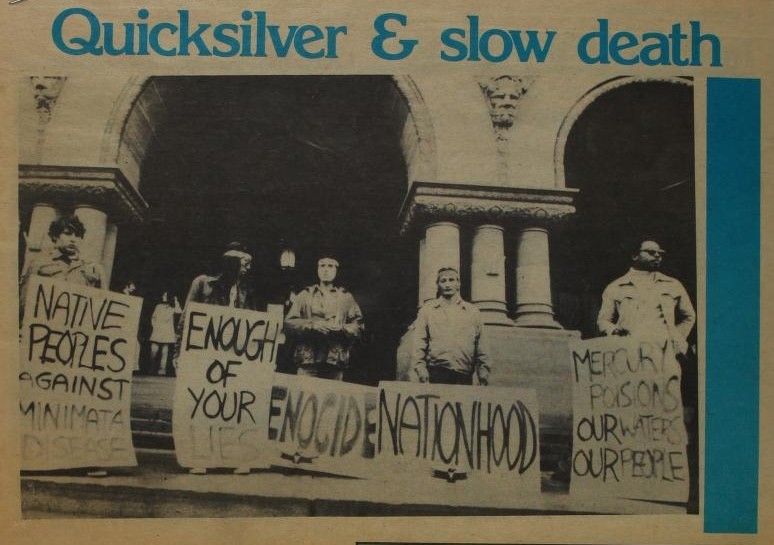
During the twentieth century, Canada established itself as an industrial powerhouse, developing its agricultural, mining and fossil fuel resources to meet the demands of a growing global economy. This course invites us into this transformative period, examining the political, economic and social dimensions behind Canada’s industrial century through a unique lens: its elemental foundations. Rather than following a chronological structure, the course is organized around key substances—from potash to mercury—which served as the country’s building blocks during the twentieth century. Each week, students will investigate the complex political, economic and social worlds that formed around each substance. From reading about the political activism that Dene miners undertook after working in the uranium mines on Great Bear Lake in the Northwest Territories during World War II to examining primary source material about the Canadian feminists who halted conjugated estrogen production in Brandon, Manitoba during the late 1990s, students will leave the course with an expansive set of analytical and methodological tools for examining the history of twentieth-century Canada through its material culture. Substances covered include: iron and steel; copper, nickel, and gold; cordite and other gunpowders; radium and uranium; petroleum and its by-products; potash; asbestos and mercury; and estrogen. Themes covered include: the rise of the modern corporation, resource extraction and Indigenous sovereignty; chemical technology and refinery infrastructures; workers’ rights and labour history; wartime production; environmental health, pollution and toxicity; energy politics, sustainability and industrial waste economies; international relations and Canadian foreign aid; and feminist and Indigenous materialisms.