
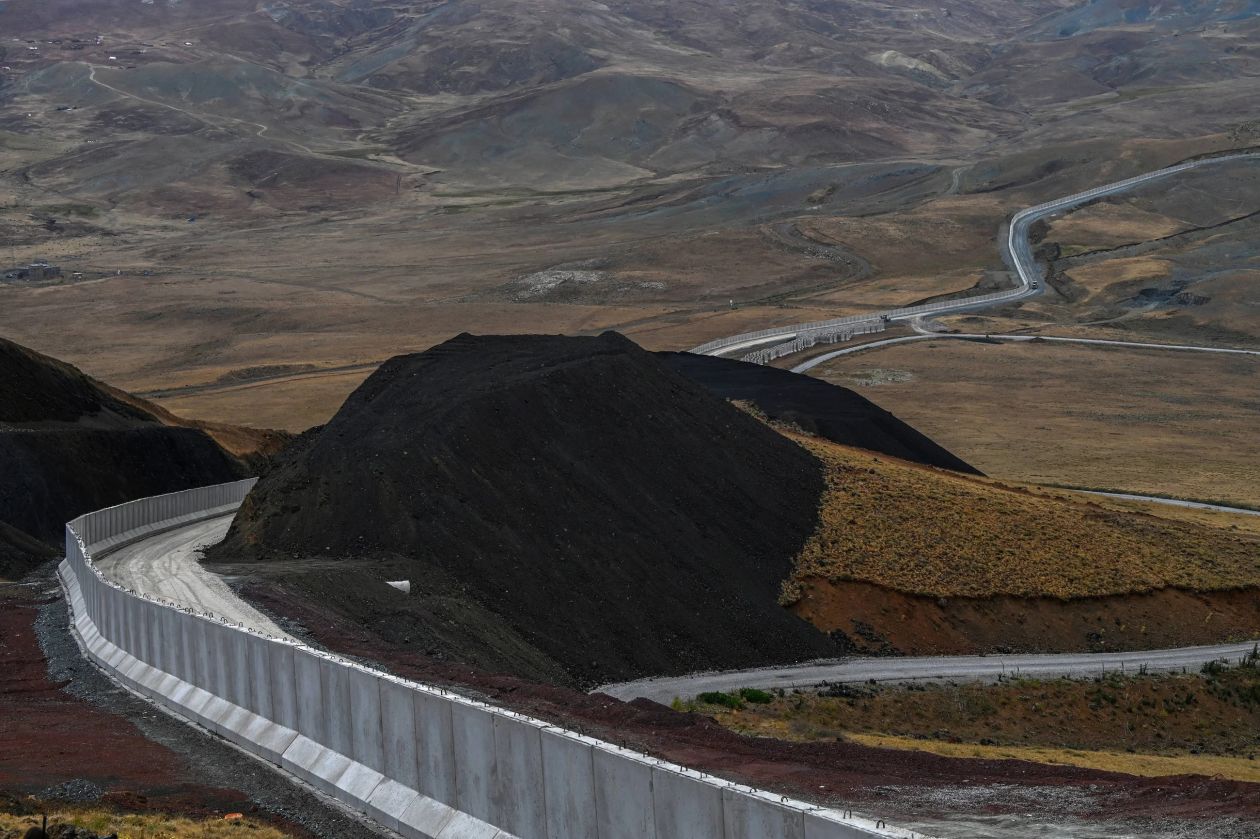
This seminar investigates the historical interconnectedness of environment, infrastructure, and political power in modern times. Based on an interdisciplinary perspective, it draws arguments from a wide range of fields such as environmental history, historical geography, Indigenous studies, and critical border studies to explore how empires and states transform the environment and design infrastructure to produce governable spaces and consolidate modern authority. Rather than treating infrastructure and technological developments as a neutral backdrop to political power, it treats them as deeply political in essence.
The course uses comparative studies from across the globe to investigate the entanglement of modern state-building, the transformation of the environment, and the control of population and their movement. Central to this seminar are discussions on how modern polities construct hierarchical spaces and generate political majorities and minorities out of populations. From Indigenous peoples in the Americas and Australia to Armenians in the late Ottoman Empire, Jewish communities in Europe, and Kurds and Palestinians in the contemporary Middle East, students will examine how states shaped sociopolitical orders and generated space of exclusion and marginalization—embedding various forms of racial, ethnic, religious, and gendered hierarchies into the fabric of society through the deployment of infrastructure and the reordering of territory.