
Introduction to Technical Art History
Second-year standing or permission of the Department.
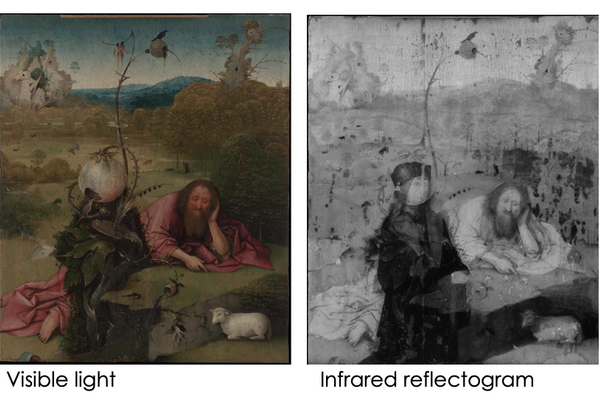
As material objects, works of art are corporeal testimonials of the culture that produced them. Technical Art History is a new and exciting interdisciplinary field, bridging traditional Art History and Art Conservation, that examines the materials and techniques used by artists for art historical inquiry. Close examination of the physical aspects of works of art enables scholars to gather data that are critical for a better understanding of a wide range of topics, such as when, where, why, and by whom an object was produced. Such research also provides unique insights into the genesis and the original function of an object, into the painter’s intentions and creative processes, and in later alterations to the work. Therefore, such research findings will often provide new information on the broader socio-economic structures within which works of art were produced, marketed, used, and conserved. Technical Art History can be performed on objects in different media, but this course will focus on paintings. Students will be introduced to different methods of examination using case studies ranging from Early Italian panel paintings, the Impressionists, and the abstract canvases by Piet Mondrian.
Assessments
To be confirmed
A detailed list of readings and requirements for this lecture course will be available during the first class. Evaluationwill consist of two essays, a mid-term test and a final exam. Attendance is mandatory and will be part of your final grade. Please note: this course is not on OnQ and the use of AI is strictly prohibited.
Note: Effective 2024-2025, both ARTH121 and ARTH122 replace ARTH120 as required courses for all ARTH plans. Students must take EITHER ARTH121 or ARTH122 to declare an ARTH plan, and BOTH must be completed in order to graduate with an ARTH plan. Students are advised to take both in their first year.