
Sculpture, Gender, and the Body in the Italian Renaissance
Level 3 or above or permission of the department.
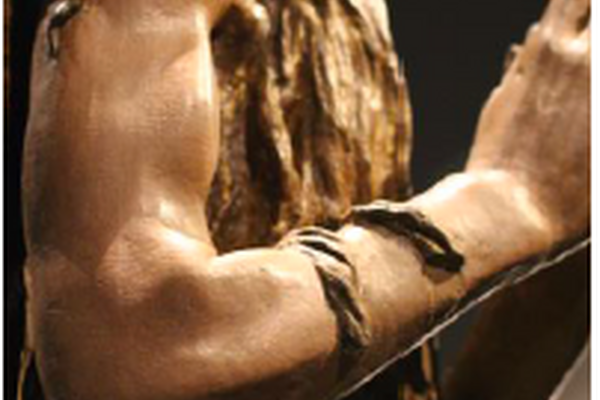
Sculpted bodies (some clothed, some not) filled Italian Renaissance palaces, churches, government buildings, orphanages, and hospitals. Fictive bodies spouted water in public fountains, watched over street corners, reclined on tombs, and were hidden under veils in bedrooms. Naturalistic effigies of gentle mothers, battling heroes, suffering martyrs, chubby babies, repentant prostitutes, nymphs, and satyrs provoked reactions ranging from reverence to fury. People prayed before these sculptures, gave them offerings, spoke to them, touched them, dressed them in actual fabric clothing and adorned them with real jewelry. According to believers, some sculptures spoke, moved, and granted gifts in return. Sculptures were sometimes made of one material (bronze, for example), but were often multi-media combinations of different substances, such as stone, wood, clay, stucco, pigments, eggs, oil, gold, and silver. Sometimes glass, wax, leather, various fibers, and other materials were added to make these three-dimensional often life-sized works look eerily naturalistic. Sculptures were very rarely made by one artist or even one workshop – they were more often collaborative creations. The subjects of the sculptures, the ways in which they were embodied, clothed, and posed, their physical contexts, and even their materials and techniques were gendered in complex ways. We will study both how people behaved appropriately with sculpted bodies and also how they misbehaved -- the dangers of these fleshy startlingly naturalistic objects.
Assessments
To be confirmed
A full syllabus will be distributed in the first week of class.