
Global Textiles
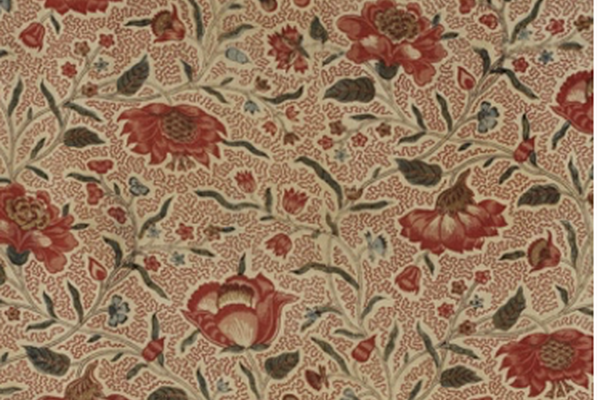
This course traces the global flows of textiles and focuses on understanding how labour, desire, economics shape textile production, circulation, and consumption. Focusing on cotton textiles, which recent research has argued “changed the world” and catalyzed capitalism, we will trace changes in economics, technology, and taste from the mid-sixteenth century to the present day. We will begin by looking at globalization in the early modern world, when Indian cotton textiles dominated global markets including in Indonesia, Africa, and Europe. By tracing materials such as cotton and dyestuffs as well as styles, we will consider the origins of raw materials and textile techniques and consider the dynamics of colour within encounters between Europe and its “others.” We will look at how Europe’s desire for commercial domination of this important commodity catalyzed the industrial revolution, colonialism, capitalism, and slavery. We will consider the symbolic and material role of textiles in freedom movements in the nineteenth and twentieth centuries, and the second globalization of textile economies in the late twentieth century. Finally, we will consider current discussions of overproduction, sustainability, and labour in the textile and fashion industries.
Instructor: A. Behan
Assessments
To be confirmed
A full syllabus of readings and assignments will be available by the first class.