
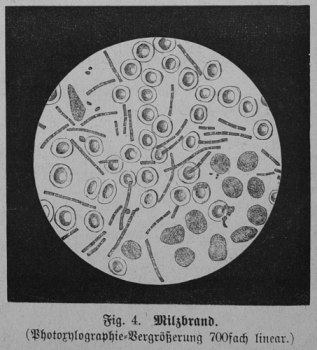
If the symptoms are clear, diagnosis of diseases seems a straightforward concept. People have a conversion disorder, or tuberculosis, a food intolerance – or they get vaccinated against the flu virus. But how did these concepts that are now taken for granted first form? What was and what happened to hysteria, or consumption, and how did dietary rules come about that promised life-changing improvement through eating cornflakes? How did health education convince the public of the existence of microbes? How did we come to rely on what is considered objective health science today? Why and how do people blog about their disease?
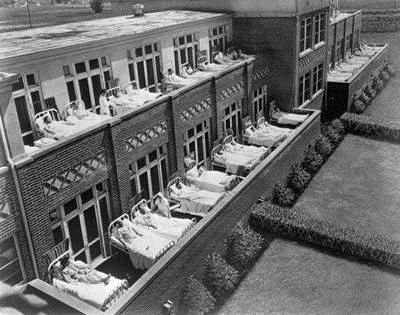
This seminar will discuss these questions and more, starting with 18th century scientific texts and concluding with internet accounts of current patients. We will look at the types of media used, the form of communication and the cultural discourse connected to the writing about and the imagery of diseases. Literary monuments such as Nobel prize winner Thomas Mann’s “The Magic Mountain” will be examined as well as historic photographs, newspaper articles, pamphlets, novellas by Edgar Allan Poe, H.G. Wells, Arthur Schnitzler and others, and a movie. Towards the end of the semester, the focus will turn to patients writing about their diseases both in print and online, including the recent and widely known example of Wolfgang Herrndorf’s blog.
The seminar is based on the discussion of the topics during the meetings and preparation of the assigned texts before the seminar. Students will prepare a poster presentation throughout the semester and write an essay.
The seminar is taught by Dr. Christiane Arndt. Despite being offered for the first time, it gathered a lot of attention from different Departments, including History of Art and Kinesiology.