
St. Martin Celebration in Beginning Portuguese
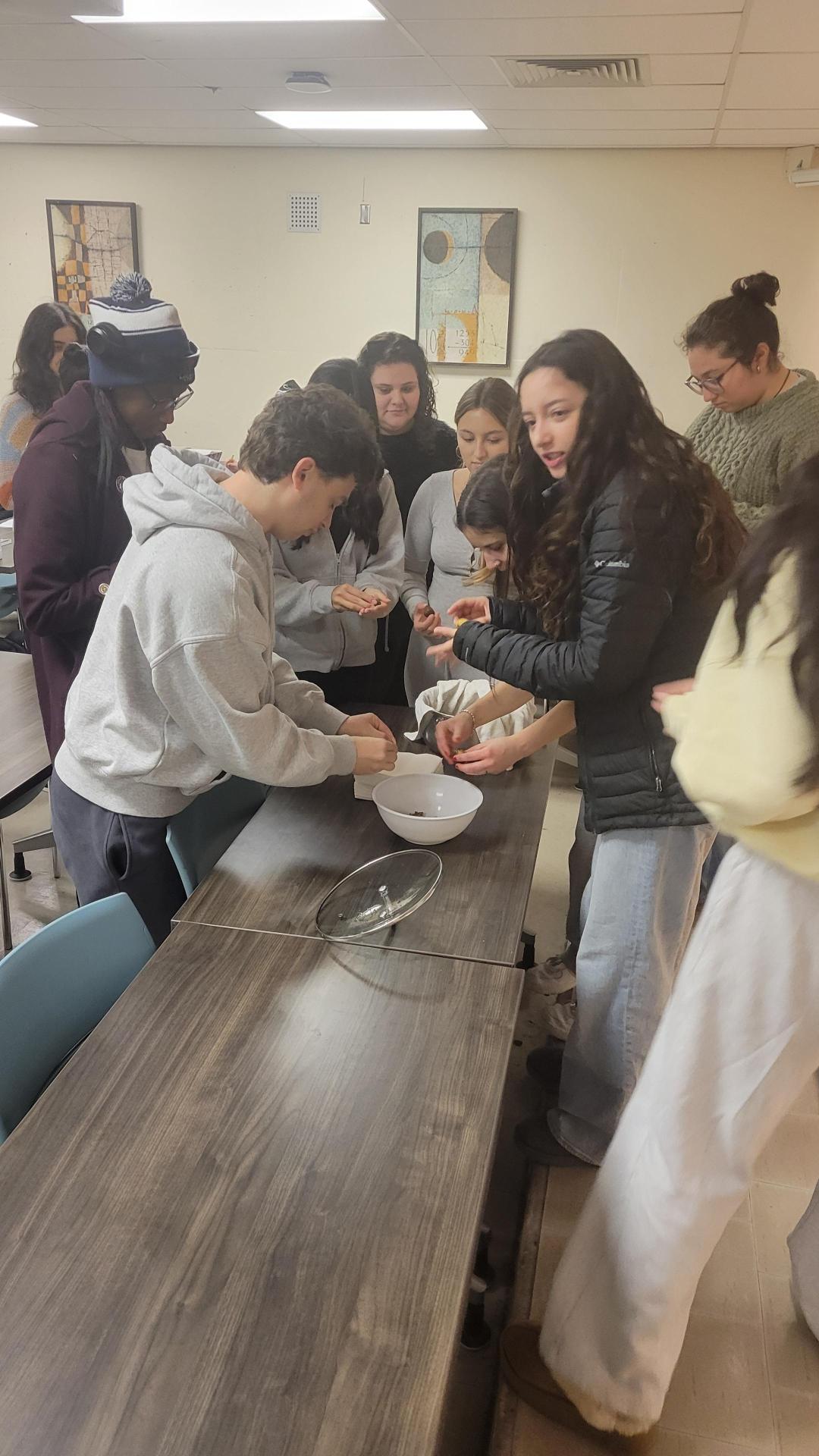
The students of Beginning Portuguese Language and Culture celebrated St. Martin's Day with roasted chestnuts in class.
The feast of Saint Martin, celebrated on 11 November, is nowadays much more rural and gastronomic than truly religious. Although it originates from the figure of Saint Martin of Tours and the famous legend of him sharing his cloak with the poor man, what really marks this day in Portugal is the end of the harvests and the tasting of the new wine.
Traditionally, this is the time when people celebrate the magusto, lighting bonfires, roasting chestnuts, and drinking the first wine of the year. These customs have pagan and agricultural roots, linked to the cycles of the land and the preparation for winter, long before popular festivals were Christianised.
Thus, the connection to the Saint in Portugal ends up being more of a symbolic pretext that legitimises and frames a celebration that already existed. In practice, what brings people together is not religious devotion, but conviviality, the brief abundance after the harvest, and the pleasure of tasting new wine and chestnuts. Saint Martin here acts almost as a “godfather” to a festival that belongs above all to the agricultural and community calendar.
_0.jpg)
_0.jpg)
___________________________________________________________________________________________
Fall 26 - Beginning Portuguese - Course Dinner
With the presence of the Head of LLCU, Dr. Bronwyn Bjorkman, the board of the Portuguese Cultural Centre of Kingston, and current and former students of the Beginning Portuguese Language and Culture course shared a meal and good company.
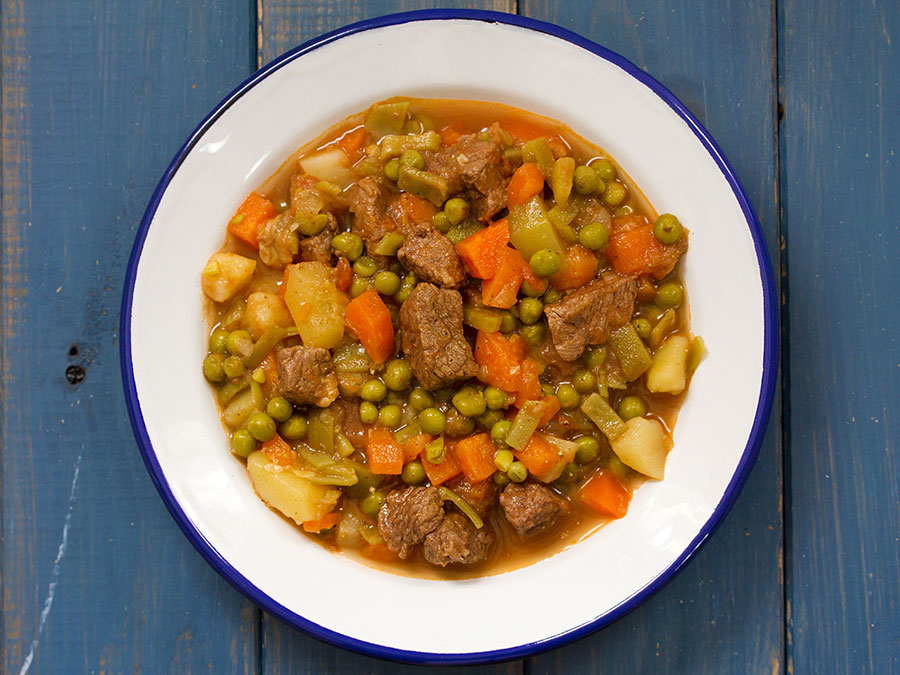
appetizer: flame-grilled chouriço sausage (chouriça assada com aguardente / chouriça à bombeiro); soup: Portuguese collards green broth soup (caldo verde); entrée: beef/pork stew with garden vegetables (jardineira); dessert: Portuguese custard tarts (pastéis de nata) and roasted chestnuts (castanhas) and espresso coffee
.jpg)
.jpg)
.jpg)
.jpg)
.jpg)
.jpg)
_0.jpg)