
Dr. Paul Grogan
Professor of Plant and Terrestrial Ecosystem Ecology
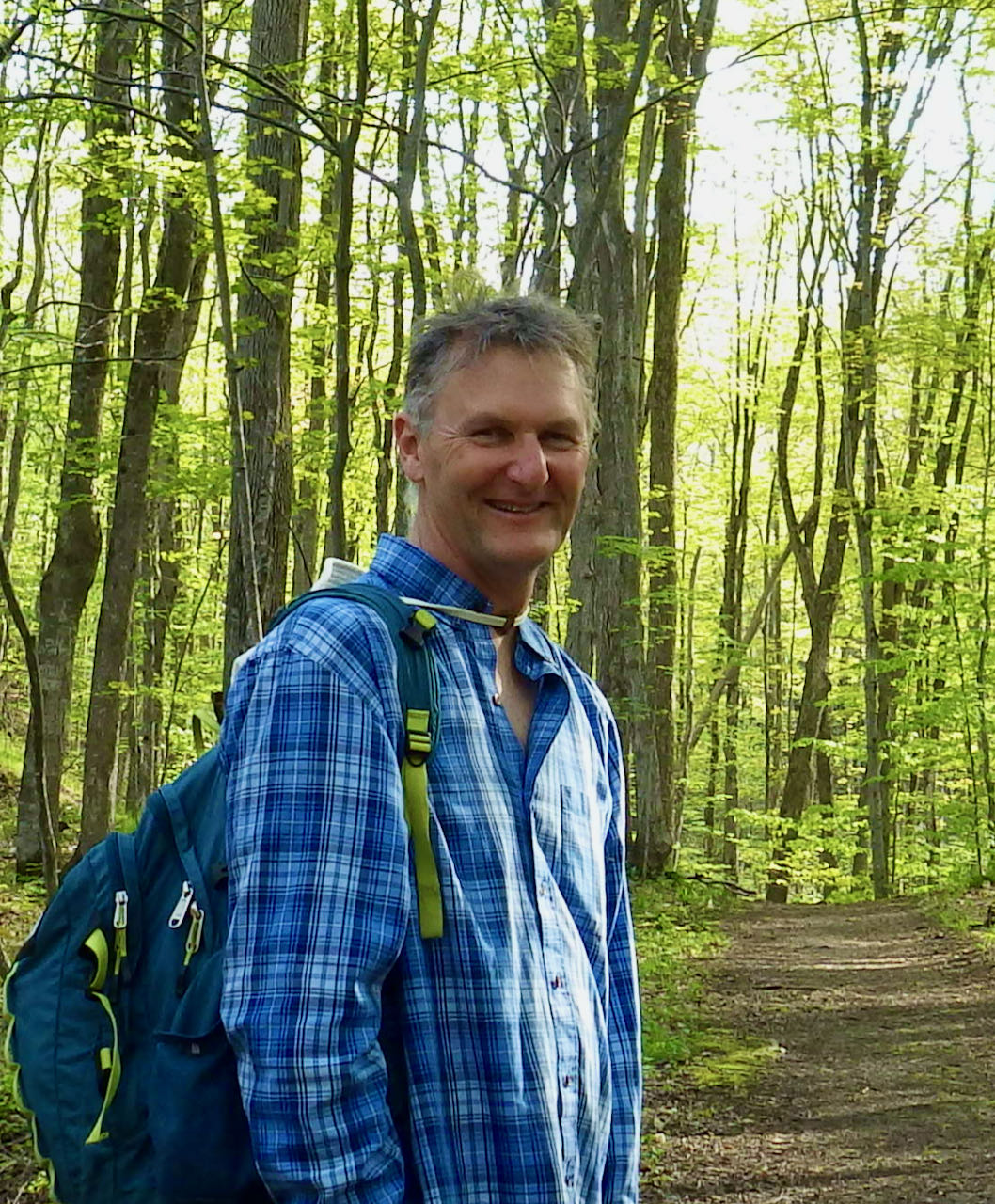
This is me. I am particularly interested in understanding the inter-relationships between biology and the flows of energy and nutrients in terrestrial habitats. More information on my research interests is available on my Research page, and on a link in the departmental website.
My goal as a teacher is to facilitate active, engaged, critical thinking that helps undergraduate students in their developmental transition from being dependent to independent learners. Equity, Diversity, Inclusion, Indigeneity, and Sustainability: Black lives matter, treating women with dignity matters, Indigenous peoples' rights matter, a guaranteed basic income for all matters, polar bears matter, maple trees matter.... each and every life matters. One of my central goals as a professor is to help educate and actively promote for fundamental (i.e. radical, second order) systemic change in how society is structured and functions so as to improve the lives of all minorities and the disadvantaged. Personal Land Acknowledgement.
Colin St. James
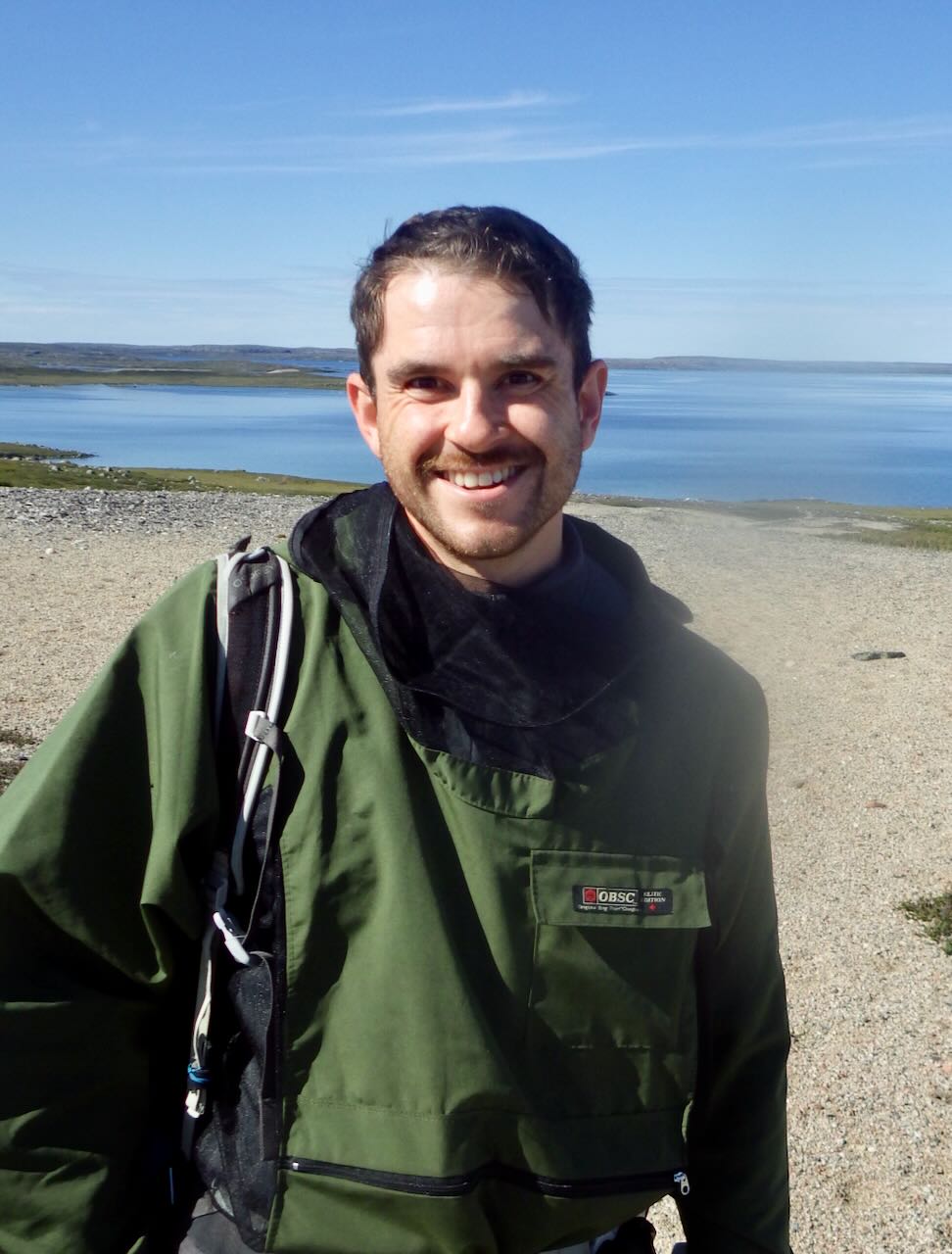
Colin started his Ph.D. in our lab August 2025, having completed an M.Sc. at Lakehead University from 2020-2023. His thesis with Dr. Azim Mallik was entitled 'Floristic composition and Functional Stability of Black spruce-Kalmia shrub savannah'.
Colin is interested in arctic terrestrial ecosystem ecology and is currently developing his research proposal ideas.
Kira Henders
.jpeg)
Kira joined our lab as a graduate research assistant in July 2023, and formally started her M.Sc. in Sept 2023. Prior to that, she had been our summer work experience program (SWEP) lab and field assistant in 2022, and helped Sarah Gordon with her research, as well as maintaining the Bracken Tract experiment, and assisting Paul out with lots of different tasks.
"I am interested in better understanding 'big picture' ecosystem and community-level responses of plants to environmental changes in threatened habitats. Specifically, my research involves manipulating primary environmental stressors like soil moisture, soil nutrient availability, and herbivory to examine changes in decadal long responses of plant production, composition, and recovery in an old field meadow grassland."
M.Sc. thesis title: Timing matters: Community and ecosystem responses of a mesic old-field meadow to interacting below- and above-ground global change manipulations differed after five vs 13 years.
Kira was awarded a Queen's University Craigie Masters Fellowship for 2024-2025, and on completion received a Department of Biology Thesis Award in recognition of the excellence of her final thesis.
Maya Booth
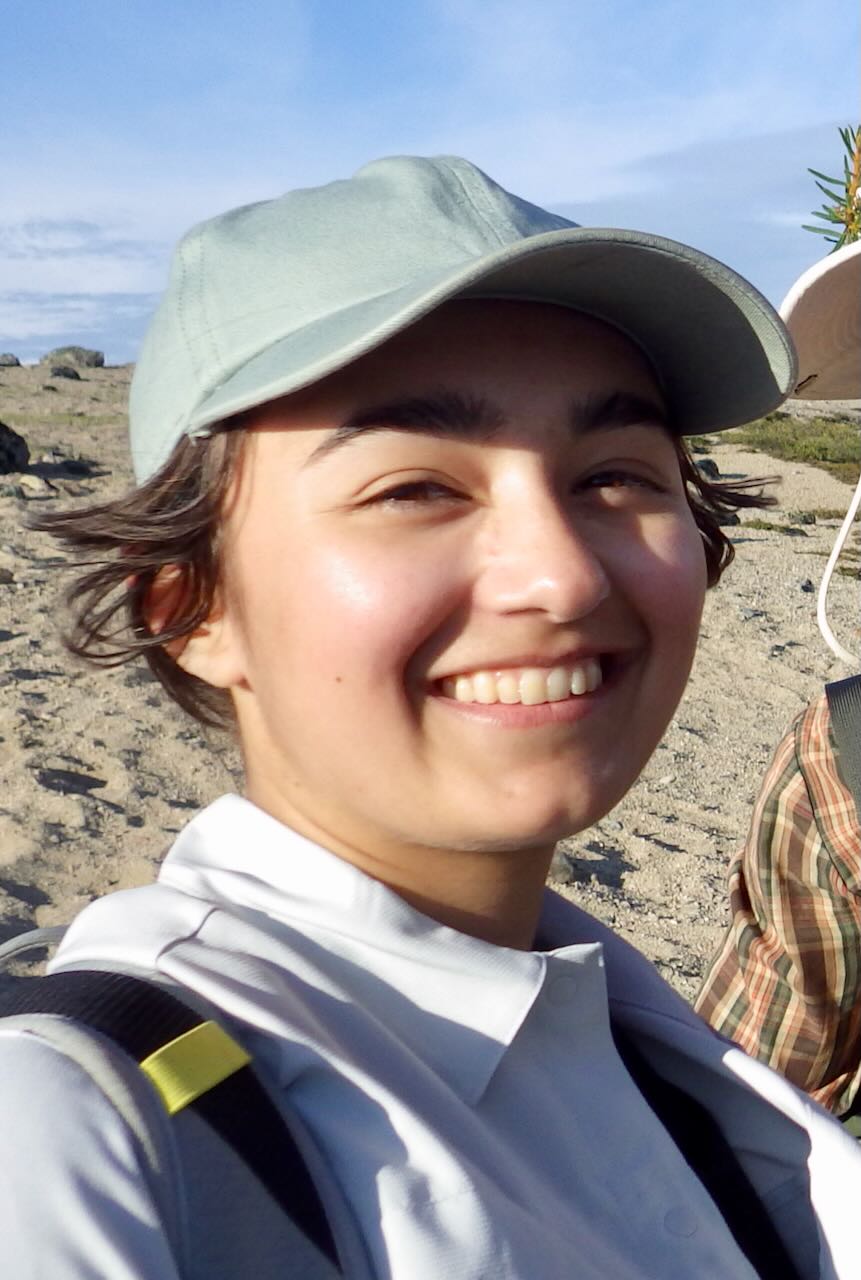
Maya started her M.Sc. in our lab in August 2025, and is currently developing her arctic research proposal. She's really keen on mosses - a true bryophile!
Grace Phillips
.jpeg)
Grace is completing a STEMIna project in our lab from Fall 2025-Winter 2026. The STEM Indigenous Academics (STEMInA) program is an academic support and community-building program for Indigenous students enrolled in Science, Technology, Engineering, and Math (STEM) -based undergraduate degree programs at Queen’s University.
Grace: “I am interested in bridging, braiding, and weaving Indigenous Knowledge with Western scientific approaches to support Indigenous sovereignty, environmental stewardship, and equitable health outcomes.”
Cecilia Stroz
.jpeg)
Cecilia is one of our summer work experience program (SWEP) lab and field assistants for 2026, and will help Colin St. James with his Ph.D. graduate research.
Téa Hope
.jpeg)
Téa is one of our summer work experience program (SWEP) lab and field assistants for 2026, and will help Maya Booth with her M.Sc. graduate research.