
 Student Affairs
Black at Queens is a program within the Yellow House that caters specifically to Black students. Rooted in the philosophy of Black joy, it creates spaces and activities to thrive, find community, a sense of belonging and empowerment. This resource section is designed to be a crucial tool for Black students, consolidating every essential resource into one central location. This includes scholarship opportunities, bursaries, event calendars, and student wellness resources.
Scroll to learn more about our events
for the 2026/27 academic year.
Black Swims
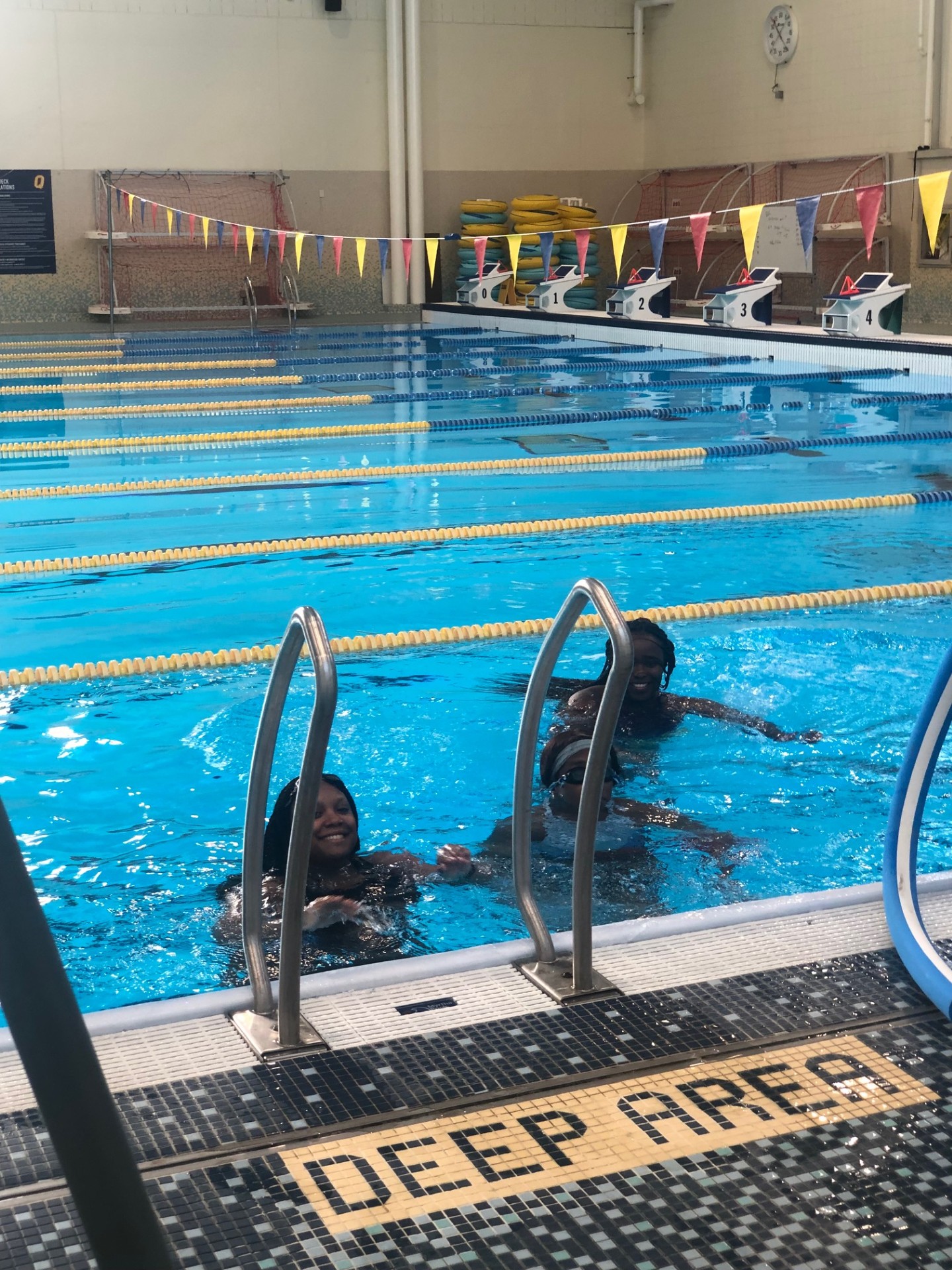
Black Swims are for Black Queen’s students, faculty staff and Black Kingston community members. They were created to foster an inclusive environment at the Athletics & Recreation pool. To prioritize Black student swims enhances community building by creating shared spaces where students can connect, support one another and engage in healthy, enjoyable activities. And if you can't swim, don't worry! These swims will include access to Adult swimming lessons, 1, 2, and 3 for free for Black students. It will also allow folks who are comfortable in the water to hangout or swim lanes! Guests are allowed to bring 1 invited loved one. Swims will take place weekly on...
Register for lessons! Sign up for swims.
Afro Prism
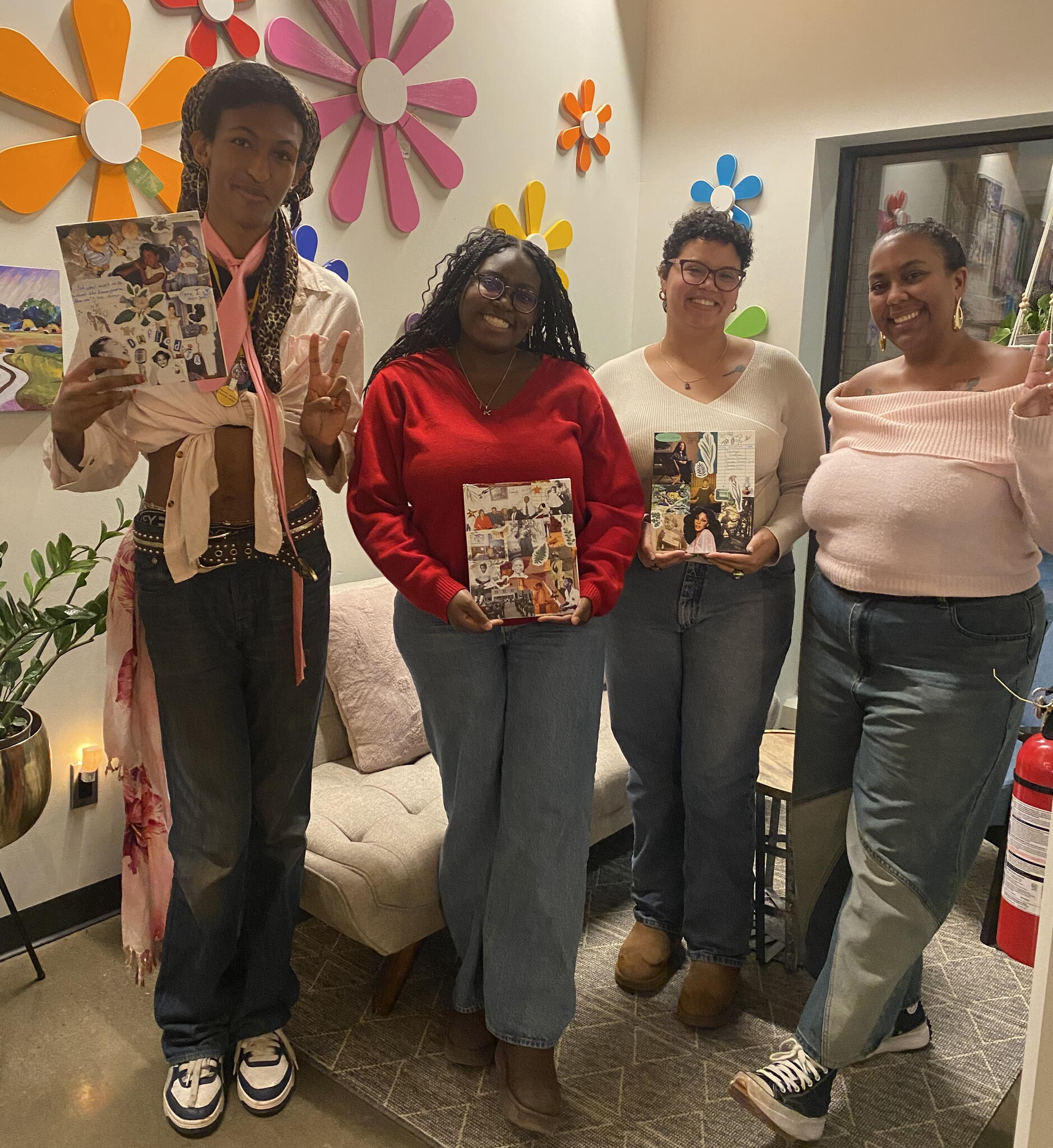 Afro Prism is an empowering space dedicated to celebrating and uplifting Black queer students. The program is designed to create a supportive community where students can connect, share experiences and empower members through education and creativity. This program will be an inclusive environment where every student feels seen, heard and valued, ensuring that all Black queer students have support and resources they need to succeed. Follow us on Instagram at @queensuyellowhouse for more details!
Black Light
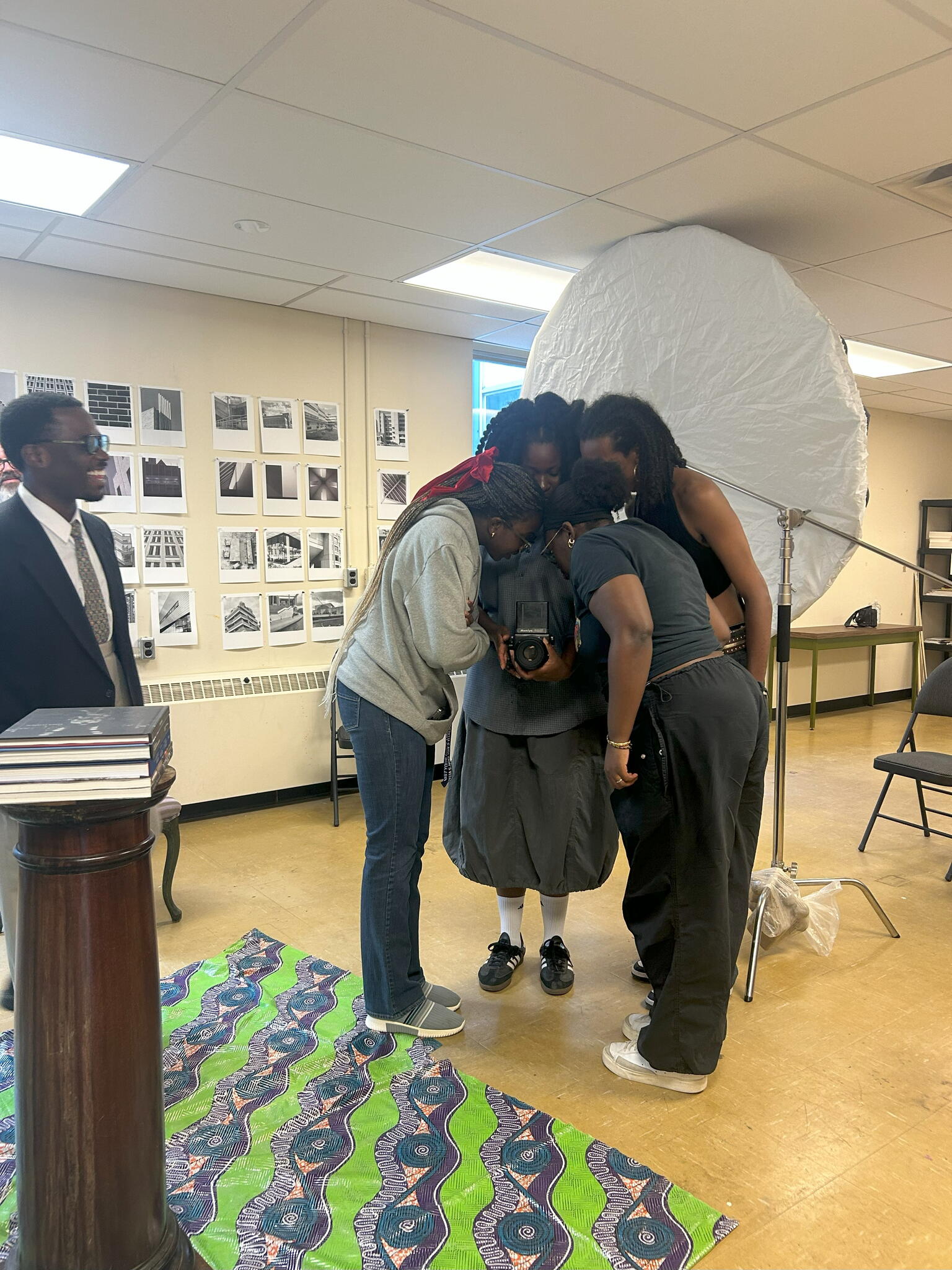
Black Light is a speaker series celebrating and empowering the Black community at Queen’s. The series aims to provide a platform for Black leaders inside and outside of the Queen’s community to affirm, inspire and uplift Black student communities. Events will be held twice each semester.
October 22, 5:30 pm @ 140 Stuart Street
Featuring Artist Jarena Lee: In collaboration with Agnes Etherington Art Centre, participants will create their own unique textile portraits using a mix of materials, including scrap fabrics brought from home and materials provided in the workshop. This is a fun, collaborative workshop that encourages experimentation, resourcefulness, and personal expression through fabric and textile-based making. Registration opening soon!
We've Been Here: Kingston Black History Panel Talk
March 4, Kingston Frontenac Library, 6-8
Panelist bios: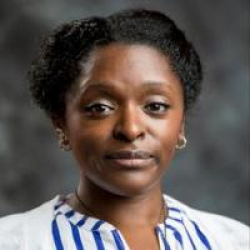 Dr. Kristin Moriah is an award-winning scholar and associate professor of African American Studies at Queen’s University. Her research focuses on African American literature and culture, performance studies, and sound studies. Dr. Moriah’s work bridges literary scholarship with public humanities, often exploring how Black voices resonate across time, space, and media. She is the editor of Insensible of Boundaries: Studies in Mary Ann Shadd Cary, the first collection of essays on nineteenth-century Black feminist, Mary Ann Shadd Cary. Dr Moriah has received numerous honours for her scholarship, including the American Studies Association’s Yasuo Sakakibara Prize and the Marie Tremaine Fellowship from the Bibliographical Society of Canada. Dr Moriah is also a member of the American Antiquarian Society.
-----------------------------
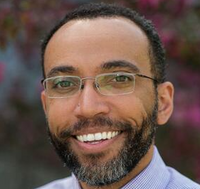 Edward Thomas currently serves as a Term Adjunct in the Department of Physics, at Queen’s University. Alongside teaching, Edward is a PhD candidate in Cultural Studies whose groundbreaking historical research sparked key institutional change at Queen’s. His investigation into the 1918 ban on Black medical students unearthed both who was affected and why. His findings led to the formal repeal of the policy and helped prompt a public apology and reparative initiatives within the School of Medicine.
Edward draws on a rich, multidisciplinary background. Before his academic career, he worked as a journalist and earned an MEng in Chemical Engineering. Edward also serves as the assistant director of Queen’s office of partnerships and innovation. Furthermore, he supports the MacDonald institute as the associate director of external relations.
-------------------------------
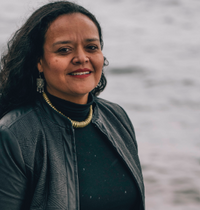 Qanita Lilla: Qanita Lilla (PhD Stellenbosch University, 2018) is a curator, researcher and podcaster. She is interested in liberating traditional collections of Africa from their ethnographic status by engaging artists from the diaspora and considering the role of digital media in creating access in the public domain. Her practice draws on anti-dystopian methodologies embedded in visual activism from the Global South and includes work on art collectives, community radio and podcasting. Her recent work in print and digital media includes a podcast series and programming related to newspaper archives and printing processes. She is currently Associate Curator Arts of Africa, Agnes Etherington Art Centre, Queen’s University.
Accessibility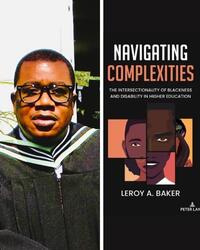 Jan 22, 6-8, Rideau
Facilitator: Leroy Baker, author of Navigating Complexities: The Intersectionality of Blackness and Disability in Higher Education
Dr. Leroy Baker is a postdoctoral fellow at Queen’s University, where his research focuses on Black mental health, equity, and intersectionality in higher education. His work builds on his doctoral research, which explores the mental health challenges faced by Black university students with disabilities in Ontario. A survivor of childhood abuse and neglect in Jamaica, Dr. Baker’s lived experiences deeply inform his commitment to understanding systemic barriers and advancing educational equity for marginalized students.
After immigrating to Canada, he completed the Transitional Year Program at the University of Toronto, later earning a degree in Equity Studies, followed by a Master’s in Sociology and Equity Studies in Education, and a PhD in Sociology and Social Justice from OISE, University of Toronto. His book, Navigating Complexities: The Intersection of Blackness and Disability in Higher Education (Peter Lang Publishing, 2024), examines the ways academic accommodations often reproduce anti-Black racism in Canadian universities.
Dr. Baker is dedicated to decolonizing ableism and fostering inclusive educational practices. His research seeks to inform policy and transform institutional approaches to mental health, ensuring that Black and racialized students can thrive, belong, and succeed in academic spaces.
Career Development  Thursday, November 6, 6-8, Rideau
Facilitator bio: Manny Zangio is a policy analyst and researcher passionate about equity, innovation, and science policy. He currently works at Natural Sciences and Engerineering Research Council, where he contributes to initiatives supporting underrepresented communities in STEM. With a background in exercise physiology and experience in research, advocacy, and program development, Manny brings a data-driven and community-informed approach to his work. He was selected as one of 20 high-potential Black youth nationwide for the prestigious 1834 Fellowship, where he focused on the impacts of climate change on Black Canadians. Manny is committed to shaping inclusive policy and driving systemic change. Register for this opportunity of connection and mentorship.
Photography Workshop with Janice Reid Sunday, September 28 1:30-4:30, Rideau
Facilitator bio: Janice Reid is a Jamaican-Canadian photographer based in Brampton, ON, known for her vibrant portrait and fashion photography. A graduate of Humber College with a diploma in Creative Arts, her work explores the Black female experience, innovations in fashion, and the dynamics of urban landscapes. With a colourful, contemporary style, Reid seeks to reimagine narratives of Black female invisibility. She draws inspiration from influential photographers and mixed-media artists such as Carrie Mae Weems, Lorraine O'Grady, and Oroma Elewa.
Purpose and Goals
Black at Queen's exists to support the unique needs of Black students at Queen’s University. By providing centralized access to essential resources and creating opportunities for connection and engagement. It aims to enhance the student experience and promote a sense of belonging, all while celebrating the resilience and joy of the Black community. Our vision is to create a vibrant, inclusive, and supportive environment where Black students at Queen’s University can thrive academically, socially, and personally.
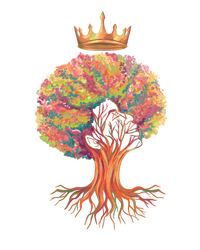
Behind the logo (written summer 2024):
My name is Uwineza Mugabe, and I'm a master's student in the gender studies department here at Queen's. Through the pandemic, the shifts between online and offline learning and generally finding my place here at queens I've grown a passion for promoting the hidden services here at Queen’s. This year I was blessed with the opportunity to use my art as a way of promoting the Yellow House through the Black at Queen’s logo. While designing the logo, I consulted with Black students throughout the Queen’s community. We wanted to create an image that portrayed joyous blackness and wanted to used imagery that emphasized the principles of community building, while keeping the attraction broad. I chose to build the logo around a tree because trees tend to have a lot of positive connotations; roots can connect to families or friends which grow into a smiling face to symbolize Black joy. The whole design gathers into the bright leaves of the tree meant to form an afro. All this ends with a golden crown, which I hope to use to represent Black excellence, and to also represent this program’s affiliation with Queen’s University.
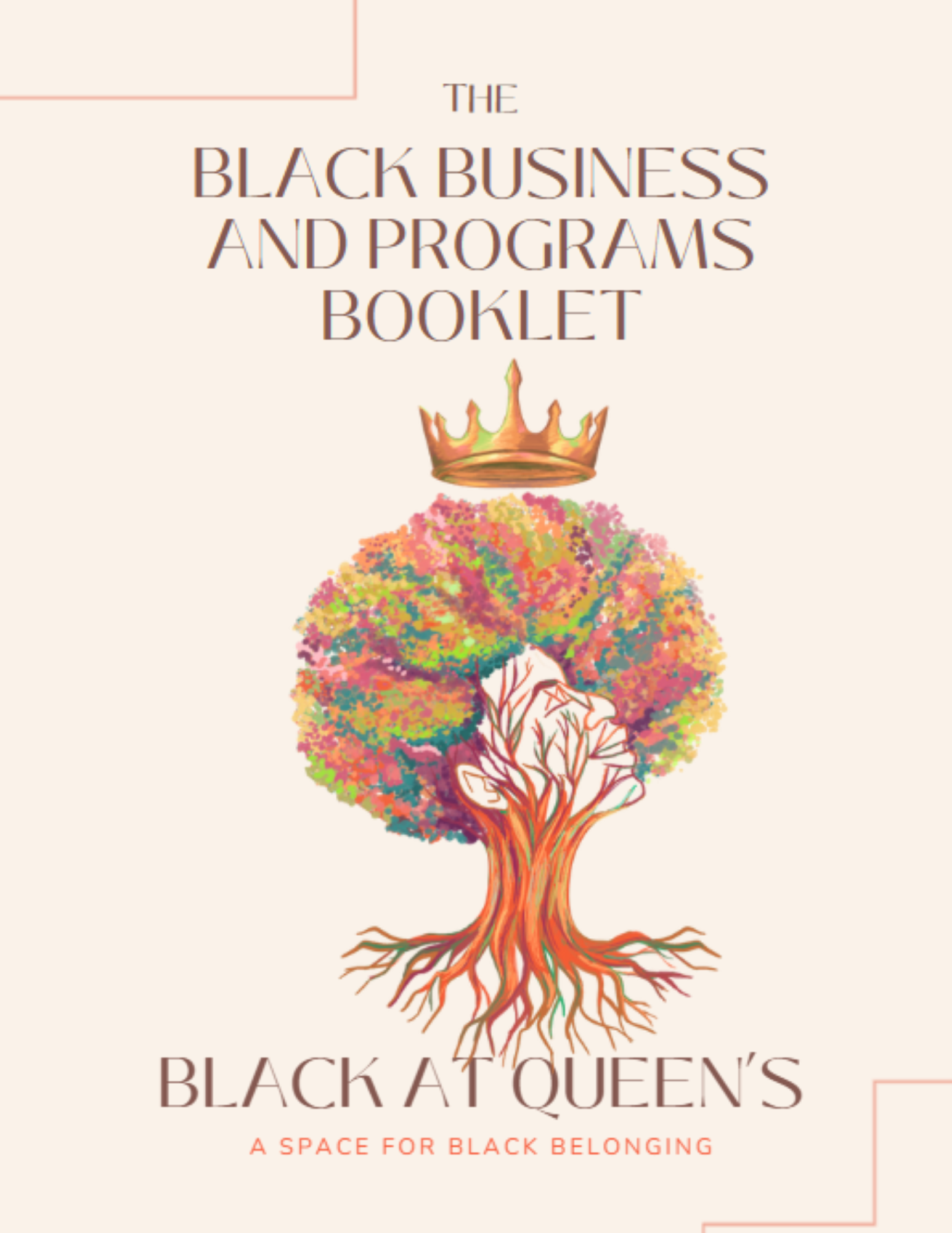
Click the image learn more about Black student businesses by checking out our Black student business and program booklet!
Resources
Programs and Resources for Black students at Queens
Black student spaces
spaces which Black students can book for events and more
NEST (Queens Medicine Building 4th floor). For Faculty of Health Sciences Students (BHSc, Med, Nursing and Allied Health programs)
Black Student and Smith Engineering Group Room, Beamish 331
NSERC-USRA/USSRF
The NSERC-USRA/USSRF program at Queen’s University provides funding to students interested in summer research. Specifically, the CIHR and SSHRC USRAs are tailored for Black students pursuing health or social science/humanities research. If you're interested, follow the link below for detailed information on how to apply.
NSERC USRA link: https://www.queensu.ca/vpr/funding/external/nserc/usra
USSRF link: https://www.queensu.ca/vpr/funding/internal/ussrf