

Advanced Human Resources Certificate
Human Resources has never played as critical and impactful a role as it currently does. With this heightened importance, now is the time to deepen your theoretical knowledge, enhance your leadership confidence, and establish a deeper and more strategic approach to your practice with the Queen’s IRC certificate in Advanced Human Resources.
We offer the choice of the Aligning HR and Business Strategy or Leading Human Resources programs as the core required program for this Certificate. The remainder of the credits required for the certificate can be made up from any combination of the other programs that Queen’s IRC offers, which gives you maximum flexibility to customize your individual training needs while obtaining a Certificate from a world-renowned University.
Required Programs
Aligning HR and Business Strategy (3 credits) or
Leading Human Resources (3 credits)
Elective Programs
Any other IRC courses (totalling 9 credits)
Advanced Labour Relations Certificate
Are you a seasoned labour relations professional or working to build your knowledge in the field of labour relations? A Queen’s IRC certificate in Advanced Labour Relations is right for you! This second-level certificate can only be obtained after completing the certificate in Labour Relations.
The certificate in Advanced Labour Relations offers maximum flexibility to customize your individual training needs and provides recognition from a strong, national institution that is acknowledged across the country to be the best in its field.
Required Programs
Must complete a minimum of 24 credits, including the 12 credits earned towards the Labour Relations Certificate
Elective Programs
Labour Relations Certificate plus 12 electives from any other IRC courses (totalling 24 credits)
Advanced Leadership for Social Impact

The Advanced Leadership for Social Impact Fellowship prepares experienced leaders with the skills, knowledge, and networks needed to meaningfully tackle the root causes and drivers of social issues or problems. By focusing on developing leaders with the skills and perspectives to tackle complex issues, Queen’s University can help solve the world’s most significant and urgent challenges.
The program combines on-campus residential sessions at Queen's University with online synchronous learning and a group capstone project. This format accommodates those working full-time or with other time demands. Fellows will have the opportunity to network with faculty, mentors, and peers and learn from leading experts in the field.
Animation Theory and Practice

The Department of Film and Media’s new Certificate in Animation Theory and Practice offers students a unique and innovative opportunity to study animation in an interdisciplinary context that embraces hybrid, experimental approaches to the art form and fosters the innovative analysis of animated media from Classical Hollywood and Studio Ghibli to experimental and VR/AR animation. Students can take a wide variety of courses in animation history, theory and production.
For more information about certificate eligibility and how to apply, visit our webpage.
Applied Economics
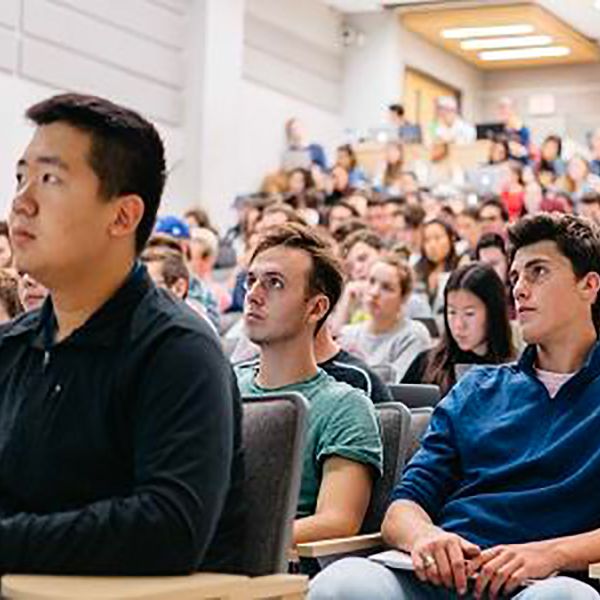
What determines the prices of goods and services? How do individuals decide how much to spend and save? How can government policies help reduce environmental pollution? These are questions we all face every day. Economics is our attempt to analyze and understand them. Often seen as being all about money, at its more basic level economics is concerned with the material well-being of human societies.
Art Conservation
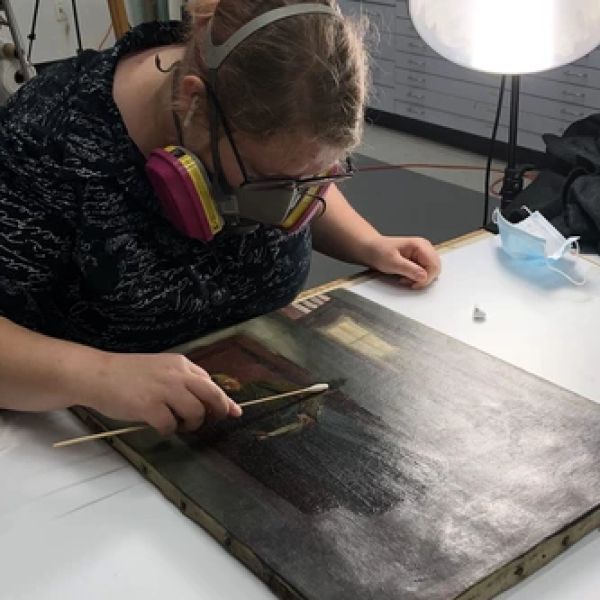
Art conservation is an exciting and challenging multidisciplinary field involving the examination, interpretation, analysis and conservation of cultural, historic and artistic objects. Professional conservators and conservation scientists must rely on their knowledge of both the humanities and the sciences to understand the creation and production of material culture in past and present contexts to ensure its preservation for the future.
Queen's offers Canada's only Master's degree program in Art Conservation.
Art History
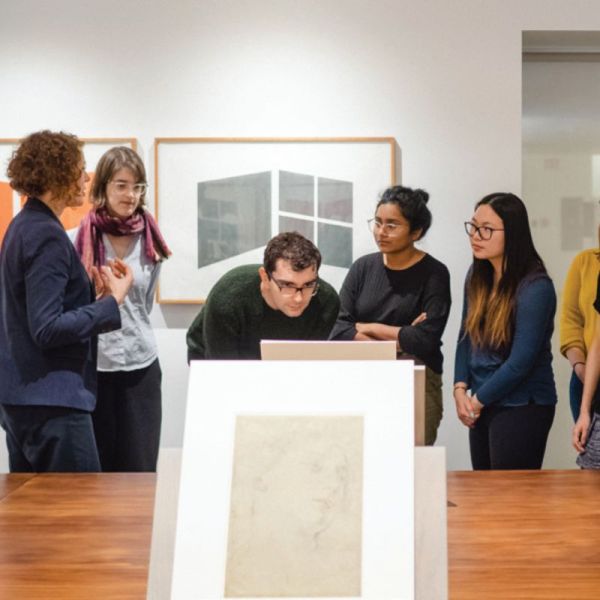
The Queen’s Art History program is strongly committed to mentoring students in a variety of interdisciplinary approaches, methodologies, and issues, including the technical examination of art, gender studies, critical theory, cultural representation, curatorial studies, and the relationships among art, literature, and science. The program offers a wide range of courses that explore how visual and material cultures have shaped human societies across time and around the world. All Art History courses emphasize visual literacy and the contextual relevance of the discipline within culture and history.
Arts Leadership
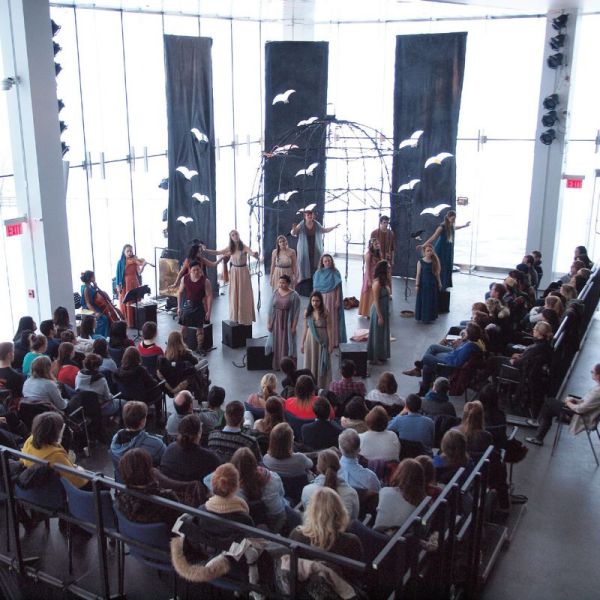
Students receive a 360° view of the arts industry with courses in arts philanthropy and major gifts, arts marketing, cultural policy, strategic thinking and planning, contract negotiation, industrial relations, and an introduction to financial and management accounting. They are exposed to, and taught by, top practitioners in the arts industry who provide a focus on experiential learning through live site research assignments and a final term practicum placement in an arts organization to serve as a capstone project.
Arts Management

The Arts Management Graduate Diploma program is designed to broaden a student’s knowledge of arts organizations and to help them acquire an understanding of business theories and management techniques and their application, including those in financial and management accounting, arts marketing, arts philanthropy, strategic planning and leadership, and governance. The program design relies on inquiry-based research, applied learning in live-site analysis, and the rigorous exchange of ideas, producing graduate students who are immediately qualified to assume specialized administrative positions with professional arts organizations and who will eventually assume leadership roles.
Astrophysics

A degree in Astrophysics provides you with training in theory, computation, statistical modelling, data analysis, and experimental methods as you pursue problems in fundamental and applied research. Astrophysicists create simple mathematical models to describe complex astrophysical phenomena and test these models by making astronomical observations, collecting data, and comparing this data with numerical simulations. The skills obtained are highly sought after and transferrable to a wide range of fields. The degree leads to careers in academia and government-funded research centres as well as the private sector fields of finance, medicine, technology, and data analytics, to name just a few.
Biochemistry
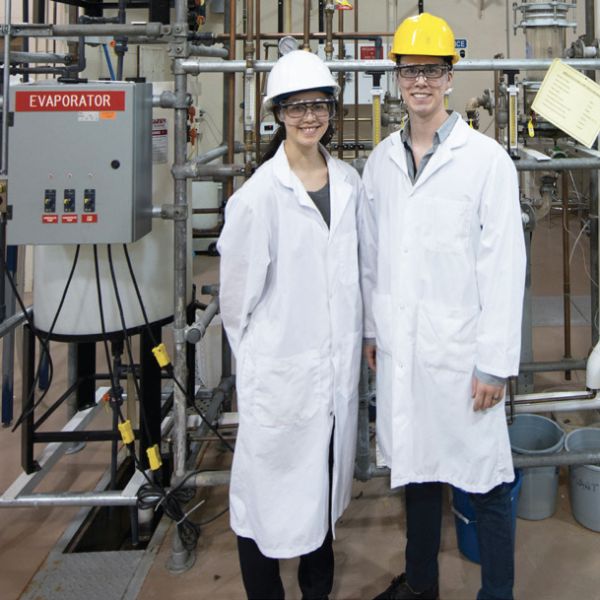
Biochemistry is the branch of science that explores the structures and chemical processes of molecules in living organisms that interact to form cells, tissues, and whole organisms. The Biochemistry program at Queen’s provides students with in-depth training in a wide range of important topics that are related to these processes, including the mechanisms of cancer progression, cellular communication, and the molecular and chemical basis of infection, inheritance, and disease. The program also offers opportunities for students to explore rapidly expanding fields in molecular genetics, metabolism of biomolecules, bioengineering, and regenerative medicine through hands-on training with professors in research labs.
The first two years of the program provides vital background preparation in Biology, Chemistry (organic, analytical, and physical), Molecular Biology, Math, and Statistical Analysis, to understand the molecules that make up all living things. In the upper years of the program, students receive in-depth exposure to all areas of Biochemistry and Molecular Biology, Cell Biology, including extensive hands-on laboratory experiences. The Biochemistry program has enough flexibility for students to take elective courses offered in other programs within the Faculty of Arts and Science, including the Life Sciences program, for which they are eligible.
Biology
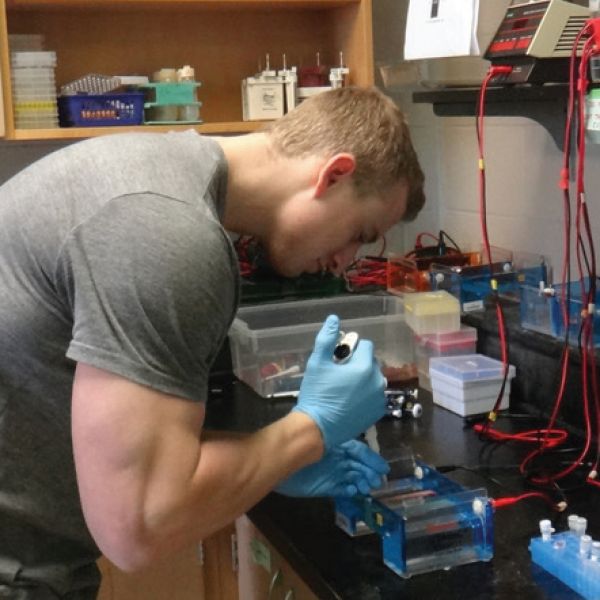
There is no end to the fascinating questions we can ask about how the natural world functions. From dissecting the molecular mechanisms at play in cells to understanding the complexity of interactions in the biosphere, the beauty and mystery of nature astounds. There has never been a more exciting time to study biology, with subjects ranging from climate change and the conservation of biodiversity to the origin and evolution of life, and from the form and function of organisms to the ongoing “omics” revolution at the molecular level. Regardless of your area of interest, there is something in biology for you -- questions waiting to be answered and riddles of nature to be solved.
Biology - Mathematics
![[illustration]](/artsci/sites/faswww/files/styles/alternate_teaser/public/img/program/biology-mathematics-ed.jpg?h=1595d102&itok=_2b125mF)
Understanding the evolution of drug resistant diseases draws upon knowledge of genetics, genomics, epidemiology, and population ecology and these are all areas of study steeped in both Biology and Mathematics. This example is just one of many that could be used to highlight the growing need for quantitative literacy in academics, medicine, and industry. The Biology and Mathematics SSP incorporates courses from both departments and combines them with specialized courses in “BioMath” to provide an exceptional learning experience in this emerging field.
Biology - Psychology
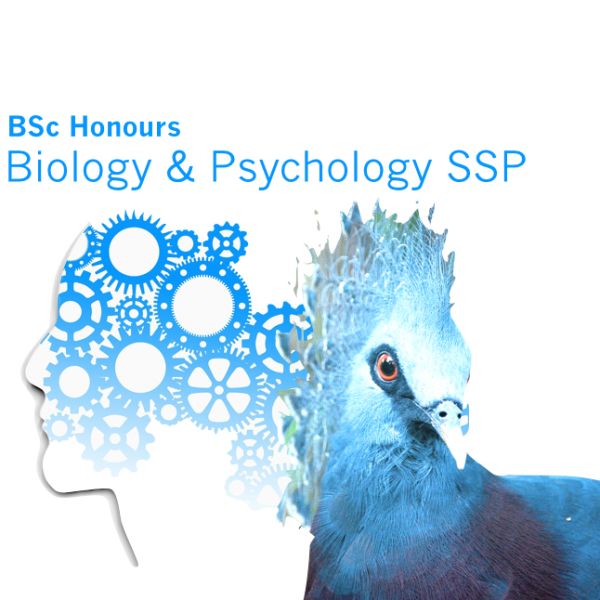
Humans and other animals have more in common than you might think. From neurological systems to patterns of behaviour, this four year Subject of Specialization Plan fuses core elements from Biology and Psychology and allows considerable opportunity for upper year specialization and independent study. With an emphasis on cross-disciplinary interaction and integration, the "BioPsych" SSP explores both commonalities and uniquely human features of brain, behaviour and cognition.
Biomedical Computing

Biomedical Informatics
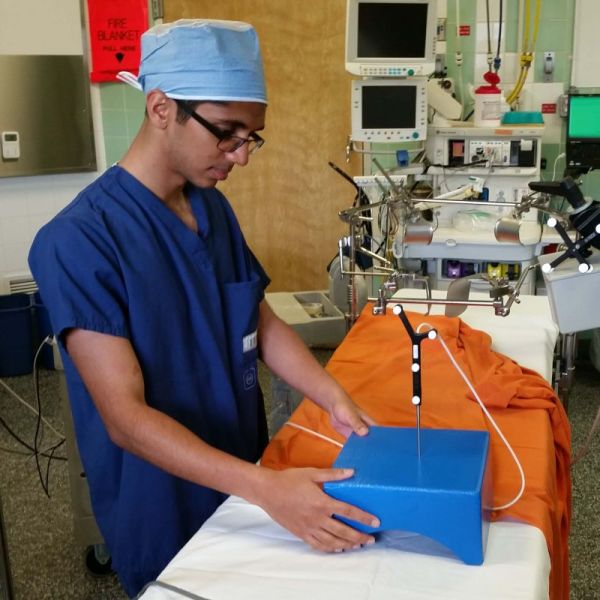
Transforming how health care is approached and delivered through big data is the goal of our two new professional programs: a graduate diploma and a master's in Biomedical Informatics.
Biostatistics
Graduates of this program will be capable of working as biostatistical data analysts within multi-disciplinary health research teams. This objective will be achieved through coursework that will equip students with a sound knowledge in observational and experimental study designs, statistical theory, statistical models for health data analysis, and statistical computing.
This program is jointly offered by the Department of Public Health Sciences and the Department of Mathematics and Statistics.
Biotechnology
Black Studies

Chemistry

Chemistry explores the composition, structure, and transformation of matter. Frequently called the central science, it provides the basis for studies in many other disciplines, ranging from biology to materials science, in addition to being a booming discipline of its own. A degree from Queen’s Department of Chemistry is highly regarded and an important consideration in today’s competitive science and technology job market. Our $56 million state of the art building is home to the Nuclear Magnetic Resonance facility and its eight high-field instruments, an on-site Mass Spec facility with four mass spectrometers, an X-ray diffractometer, a CFI-funded facility for materials characterization, and more unique equipment in faculty labs.
Classical Studies
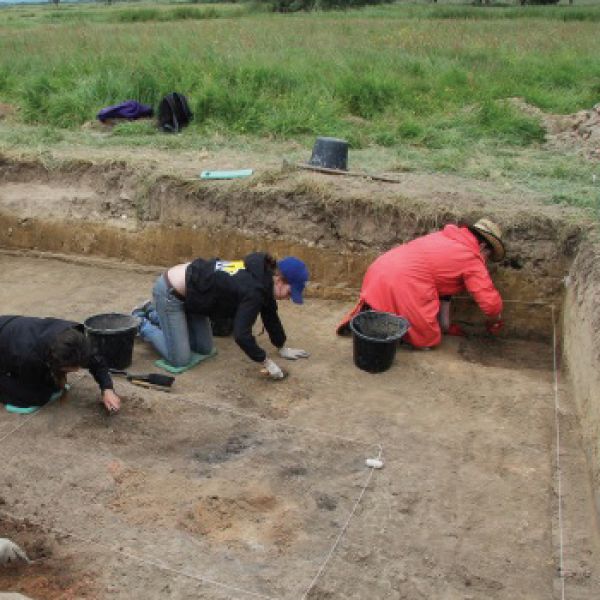
Are you interested in battles, myths, astrology, riddles and magic, languages and literature, graphic novels, avatars and cosplay, building models and theatre sets, digging in the dirt, or exploring underwater? If you answered yes to any of these, then Classics at Queen’s is a good fit for you! Classics is the study of ancient Greek and Roman civilizations over the past 3,000 years. As a student, you can examine all aspects of these civilizations: ancient Greek and Latin languages, history, religion, warfare, myth, science, philosophy, literature, art, and archaeology.
Classics

Studying Classics leads to a wider appreciation of human values and achievements, and a more objective understanding of ourselves and our times. Multi-disciplinary in approach, Classics involves the studies of history, literature, archaeology, religion, mythology, drama and philosophy, in addition to the ancient languages of Greek and Latin. Today our understanding of Greek and Roman culture is further enhanced by the latest digital techniques that increasingly pervade studies in archaeology, epigraphy, papyrology, and ancient science and medicine.
Cognitive Science

Computing

Computer science is one of the most exciting and diverse subjects of study today, particularly at the Queen’s School of Computing. Whether you’re interested in software design, artificial intelligence, game development, or biomedical computation, we can offer you a vast range of courses to fit your interests – and that’s only scratching the surface.
Computing and the Creative Arts

This innovative program is aimed at students with interests and abilities in both Computing and the Fine Arts. You can participate in advanced courses in Art, Drama, Film, or Music while maintaining a solid concentration in Computer Science and Mathematics. Fill out your degree with electives in other Arts areas and interdisciplinary courses of all kinds. Graduates can expect to work in the entertainment industry, in art galleries and museums, in multimedia design and production, and in developing the next generation of software for the Arts.