
Queen’s is home to research centres and institutes that support interdisciplinary networks. Through international collaboration, research, and comparative approaches they develop international best practice around contributing to the United Nations' Sustainable Development Goals (SDGs) and ask critical questions ranging from dark matter, to divisive societies, and energy transition.
Discovery and curiosity-driven research centres and institutes bring together scholars across disciplines to pursue fundamental and applied research that addresses grand challenges and societal issues of national and international scope.
Research centres and institutes play an integral role in advancing the research mission and in attracting and retaining leading researchers at Queen’s. They are excellent indicators of research strengths and are utilized as a vehicle for promoting and facilitating multidisciplinary collaboration. Through their research output, partnerships, and collaborations, and unique opportunities for students, most of our centres and institutes have garnered national and international reputations as leaders in their respective fields.
Tier 1 Research Centres and Institutes at Queen's
 Arthur B. McDonald Canadian Astroparticle Physics Research Institute
 Carbon to Metal Coating Institute
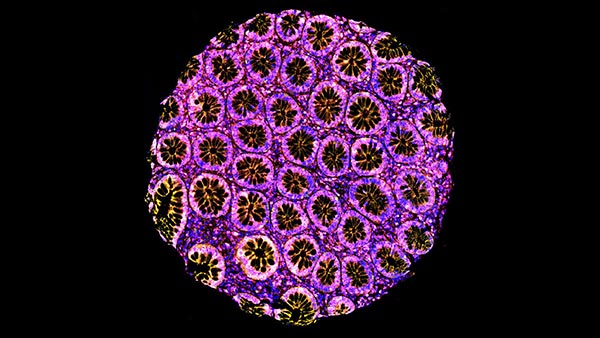 Sinclair Cancer Research Institute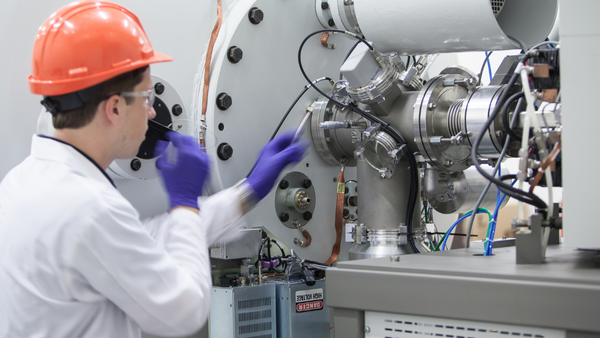
Access more research centres and institutes at Queen's
The Aging and Geroscience Excellence for Well-being, Increased Health Span and Enablement Institute (AGEWISE) coordinates research, translation, and education programs to address central questions in geroscience, an interdisciplinary field of study that investigates the biological mechanisms of aging to understand and combat age-related diseases. By combining expertise across medicine, nursing, rehabilitation, epidemiology, engineering, fundamental and data sciences, it aims to enhance health span and improve quality of life for older adults in Canada.
Contact the Director: John Muscedere
The Assessment and Evaluation Centre in Education (AECE) advances innovative scholarship through collaboration with educational organizations, Ministries of Education, school boards, system leaders, and educators. These partnerships support the generation of new knowledge, policy, and practices in assessment and evaluation across Canada and internationally. The Centre is dedicated to strengthening educational systems, communities, and classrooms through rigorous research and data-informed decisions.
Contact the Director: Chris DeLuca
The Beaty Water Research Centre (BWRC) tackles real-world water challenges that affect our health, environment, and future. Researchers study everything from water quality and ecosystems to how we use water and make decisions about it. Their work helps us understand the impact of climate change, protect our lakes and rivers, and make smart choices about water use.
The Canadian Institute for Military and Veteran Health Research (CIMVHR) works to improve the health and wellbeing of Canada’s military members, veterans, and their families. By connecting researchers, government, and international partners, CIMVHR helps find solutions to the unique health challenges faced by those who serve. Their work supports better care, policies, and programs for nearly a million Canadians connected to military life.
Contact the Director: Nicholas Held
The Centre for Energy and Power Electronics Research (ePower) is helping shape the future of clean, efficient energy. By working with industry and academic partners, researchers are creating smarter ways to generate, transmit, and use electricity. Their work leads to new technologies that save energy, reduce pollution, and support the shift to renewable power.
The Centre for International and Defence Policy (CIDP) connects research and real-world decision-making on military and defence issues. Since being established in 1975, it has helped shape national and global defence conversations by bringing together experts, military leaders, and policymakers. Located near key defence institutions, the centre is a trusted voice in Canada's defence policy landscape.
The Centre for Law in the Contemporary Workplace (CLCW) studies how big social and technological changes are shaping workplace laws today. Researchers look at issues like fairness for migrant workers, employee rights, and how law can adapt to modern work environments in Canada and beyond. Through research and public events, the centre helps shape a better understanding of workplace challenges.
The Centre for Neuroscience Studies (CNS) helps us better understand the brain and how to treat conditions that affect brain health. By bringing together experts from many fields like medicine, psychology, and biology; the centre explores topics like pain, addiction, mental health, and aging. Its advanced brain imaging tools help researchers discover new ways to diagnose and treat brain-related diseases.
Contact the Director: Doug Munoz
The Queen’s Centre for Security and Privacy (QCSP) works to protect Canadians from cyberattacks through research, training, and collaboration. QCSP brings together experts from academia, industry, and government to tackle cybersecurity challenges like data privacy, communications security, and cryptography. The centre also addresses the growing demand for skilled professionals and the rising costs of cybercrime by developing innovative solutions and offering training programs and awareness events nationwide.
The GeoEngineering Centre brings together experts and students to solve important problems related to the Earth’s soil, water, and structures. Researchers study everything from groundwater flow and contamination to the stability of tunnels, slopes, and foundations. Their work helps improve mining safety, protect the environment, and design stronger, longer-lasting infrastructure.
The Health Services and Policy Research Institute (HSPRI) studies how health care is delivered and how policies affect people’s wellbeing. Their research focuses on improving primary health care, helping vulnerable groups, and strengthening health services in Canada. HSPRI works with many departments at Queen’s to explore topics like mental health, chronic diseases, disability care, and public health.
Contact the Director: Catherine Donnelly
Ingenuity Labs Research Institute develops smart machines and systems to improve how people work, stay safe, and live. Their interdisciplinary team works on artificial intelligence, robotics, sensors, and human-machine systems. Based in a large, high-tech space at Queen’s, they focus on smart environments, assistive devices, and intelligent mobile systems to create innovative solutions for the future.
Contact the Director: Brian Surgenor
The International Centre for the Advancement of Community Based Rehabilitation (ICACBR) works to ensure people with disabilities are fully included in their communities with equal rights and opportunities. ICACBR partners with individuals, families, and organizations worldwide to develop and support community-based rehabilitation programs that build capacity, influence policy, and create new knowledge. The centre focuses on collaboration, research, training, and international partnerships to improve rehabilitation services, especially in areas affected by conflict or social challenges.
Contact the Director: Heather Aldersey
The Scotiabank Centre for Analytics & AI (SCAAI) leads research and innovation in big data and artificial intelligence. Located at Smith School of Business, SCAAI brings together experts from different fields to explore practical uses of analytics in areas like pricing, loyalty programs, and ethical AI. Founded with support from Scotiabank, the centre continues to foster collaboration and drive new solutions that improve business and customer experiences.
Contact the Director: Ceren Kolsarici
The Translational Institute of Medicine (TIME) accelerates the connection between research, innovation, and healthcare. Based in the Department of Medicine at Queen’s, TIME optimizes access to cutting-edge research platforms, expertise, and training. Through its collaborative network, it supports advanced research initiatives, fosters interdisciplinary collaboration, and offers tools like the TIME – Discovery Research Network to help researchers access the equipment and expertise they need to drive breakthroughs in medicine.