
 Queen's 2015 Nobel Prize in Physics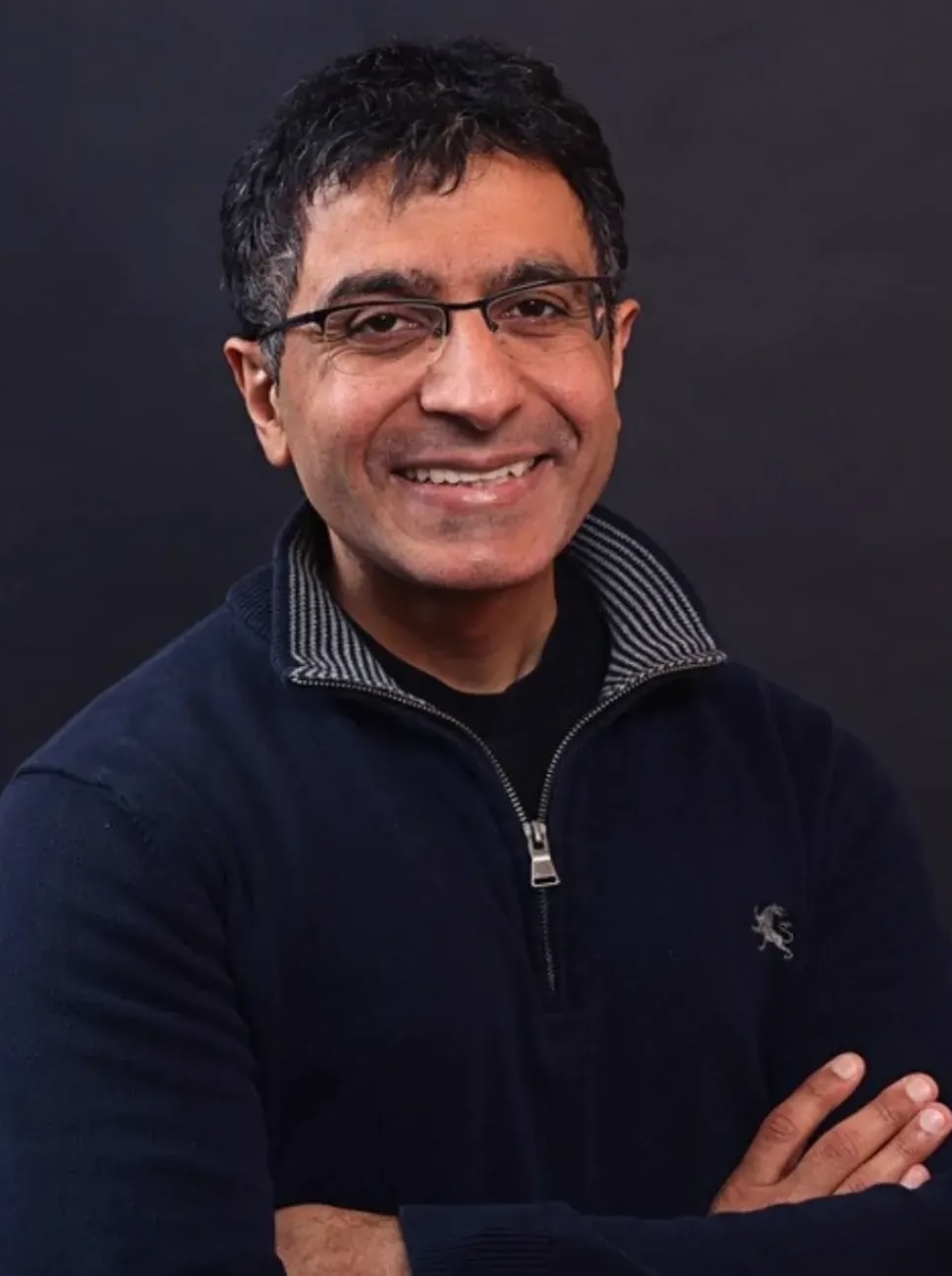
Excerpt from Queen's Gazette:
At the Shastri Lab, he and his collaborators have shown that lasers can mimic some behaviours of biological neurons and that photonic components can be linked into networks for artificial intelligence and signal processing. These systems use light to move information quickly and perform many operations at once.
The same research is being applied to problems in optimization, communications, and quantum information. Among those advances is a programmable photonic Ising machine published in Nature, which can tackle complex optimization problems at more than 200 billion operations per second. Photonic processors developed through his work have also been used in communications, correcting distortion across a 10,000-kilometre trans-Pacific fibre-optic link and reducing interference in radar and wireless systems. His team is also exploring how neural-network concepts could support more scalable quantum technologies.
Receiving the Rutherford Memorial Medal is a tremendous honour, and I see it as recognition of the people and ideas that have shaped this work. Our goal has always been to understand how the physics of light can open new possibilities for computing, and I am grateful to the students, collaborators and mentors who have helped move that work forward. — Prof. Shastri