
This space is dedicated to celebrating the stories, achievements, and contributions of Black students, faculty, staff, alumni, and community partners connected to Queen’s University.
A Dark Timeline, Glimmers of Hope
Honouring Black learners, faculty, staff, and community members arises from a dark history of racism and inequity that did not skip the university. Those who have persevered despite facing hurdles – both physical and systemic – deserve to be acknowledged and celebrated for their accomplishments and resilience. The Racism, Oppression, and Resistance Timeline highlights past racist and discriminatory incidents at Queen’s, while also featuring responses to some of those acts, which have led to changes in policies and attitudes. Acknowledging this history instead of allowing it to quietly disappear, facilitates learning, healing, and more importantly, change. To those who have made a positive mark – whatever the size of that mark – on Queen’s and the people here, you are seen and valued. It is in that resilience a pathway is laid, encouraging students, staff, and faculty of all backgrounds to see themselves at Queen’s.
History Makers
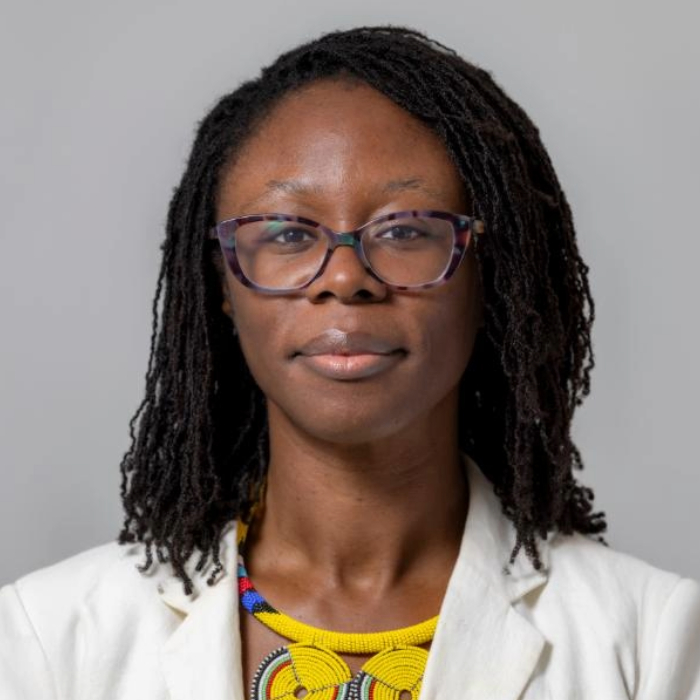 Yolande Bouka is the Canada Research Chair on Afrofeminist Thought and Political Transformation, and Assistant Professor of gender and politics and international relations at Queen’s University in Canada. Her research focuses on gender, political violence, and race and international relations. Her current research is a multi-sited historical and political analysis of female combatants in Southern Africa. She is also a co-investigator on a project comparing how regional organization such as NATO, ASEAN, and the African Union implement the Women, Peace, and Security Agenda. Her research has received support from the Fulbright Scholar Program, the American Association of University Women, and the Social Sciences and Humanities Research Council of Canada.
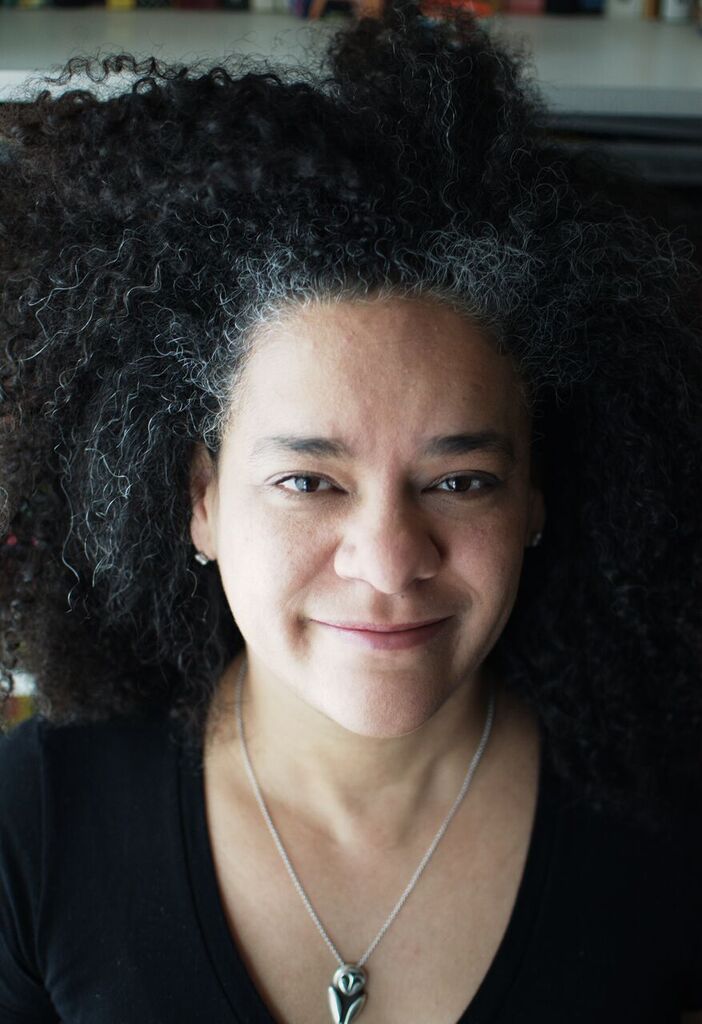 Katherine McKittrick is Professor of Gender Studies and Canada Research Chair in Black Studies at Queen’s University in Kingston, Canada. She authored Dear Science (DUP, 2021), and Demonic Grounds (UMP, 2006). She also edited and contributed to Sylvia Wynter: On Being Human as Praxis (DUP, 2015) and, with Clyde Woods, Black Geographies and the Politics of Place (BTL, 2007). Her writing is also collected in Heartbreak and Other Geographies, edited by Brittany Meché and Camilla Hawthorne (UMP, 2026). Recent collaborative projects include the limited-edition boxset, Trick Not Telos (2023), the limited-edition hand-made book, Twenty Dreams (2024), and the installation honouring nourbeSe philip, A Smile Split by the Stars (2025).
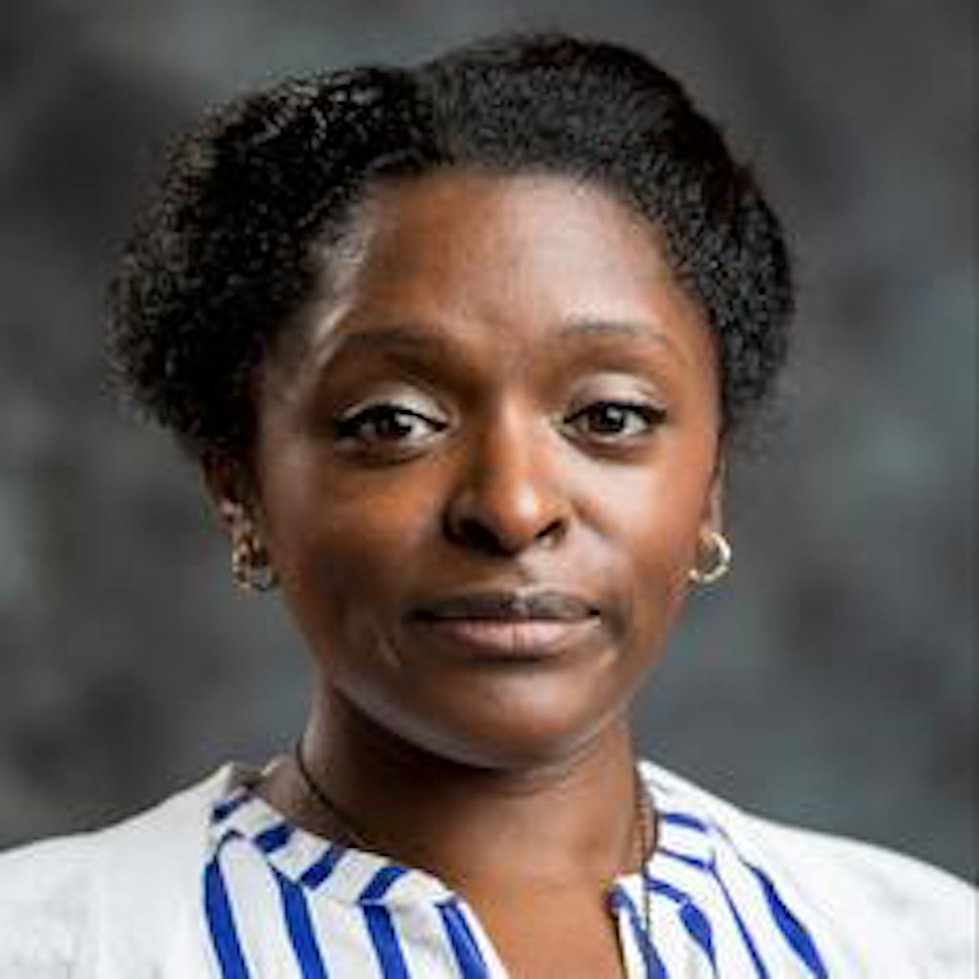 Kristin Moriah is an Associate Professor of English at Queen’s University in Kingston, Ontario. She is a member of the American Antiquarian Society and a Canada Research Chair in Black Feminist Technologies and Artistic Praxis . In this capacity, she will transform considerations of the relationship between Black feminist creative arts and technology while advancing knowledge about Black feminist methodologies, focusing specifically on creative resistance practices in the Black diaspora. She will re-envision ways for Black feminist archival materials to flourish digitally. This research will theorize how Black feminist print and material culture, when pushed into the present and digitized, help us better understand contemporary struggles for racial justice.
Moriah was the 2022 recipient of the American Studies Associations Yasuo Sakakibara Prize. She was a 2022 Visiting Fellow at the Pennsylvania State University Center for Black Digital Research. She was one of the founders of the Black Studies Summer Institute, a joint initiative between Queen’s University and the University of Toronto which seeks to advance Black Studies in Canada at the graduate level.
In 2018 she was selected to partner with the Center for Black Digital Research to co-lead a multi-year international multi-institutional partnership to gather the scattered archive of Mary Ann Shadd Cary’s life and produce scholarly outcomes to further Shadd Cary’s legacy. She is the editor of Insensible of Boundaries: Studies in Mary Ann Shadd Cary (2025), the first collection of scholarly essays about radical Black feminist editor and activist Mary Ann Shadd Cary. Her work has been supported by fellowships from the Social Sciences and Research Council of Canada, the Rare Book School at the University of Virginia, and the Harry Ransom Center. Her research and writing have appeared in American Quarterly, TDR, PAJ, Early American Literature, Theatre Research in Canada, Performance Matters and Sounding Out. In a forthcoming essay for Legacy: A Journal of American Woman Writers featuring Sean Smith, Senior Archivist in the Collections Development and Management Unit at the Archives of Ontario, credits her with helping to shift the culture at Archives Ontario with her innovative research practices, particularly as they relate to the Mary Ann Shadd Cary fonds.
Dr. Moriah’s forthcoming projects include a special Issue of J19: The Journal of Nineteenth Century American Studies co-edited with Dr. Rafael Walker (Baruch College, CUNY). This volume, the first-ever special issue of J19, was assembled in honour of F.E.W. Harper’s 200th birthday. The work presented in this issue is part of a recent proliferation of Harper scholarship, which promises to advance our knowledge of the impact of Harper’s corpus and set the stage for even more innovative approaches to the study of her legacy as a Black feminist activist and intellectual.
(1).jpg) Grace Adeniyi-Ogunyankin is the Queen’s National Scholar in Black Geographies and the Canada Research Chair in Youth and African Urban Futures at Queen’s University. She is an Associate Professor in the Department of Gender Studies, where she currently serves as Chair of the Graduate Program, and she is affiliated with the Black Studies Program. She has served as co-PI of the Global Economies and Everyday Lives (GEELs) Laboratory at Queen’s and as the outgoing President of the Canadian Association of African Studies (2023–2024).
Grace Adeniyi-Ogunyankin is the Queen’s National Scholar in Black Geographies and the Canada Research Chair in Youth and African Urban Futures at Queen’s University. She is an Associate Professor in the Department of Gender Studies, where she currently serves as Chair of the Graduate Program, and she is affiliated with the Black Studies Program. She has served as co-PI of the Global Economies and Everyday Lives (GEELs) Laboratory at Queen’s and as the outgoing President of the Canadian Association of African Studies (2023–2024).
Her current research sits at the intersection of feminist urban studies, Black geographies, and African futurisms, examining how youth navigate precarity, aspiration, and belonging in rapidly transforming African cities. Through creative and multimodal methods, including ethnography, storytelling, and emerging digital approaches, she explores aesthetic economies, luxury consumption, and urban imaginaries as key sites where questions of race, gender, and representation are negotiated. Her work serves scholars, policymakers, and communities seeking to understand and re-imagine African urban futures.
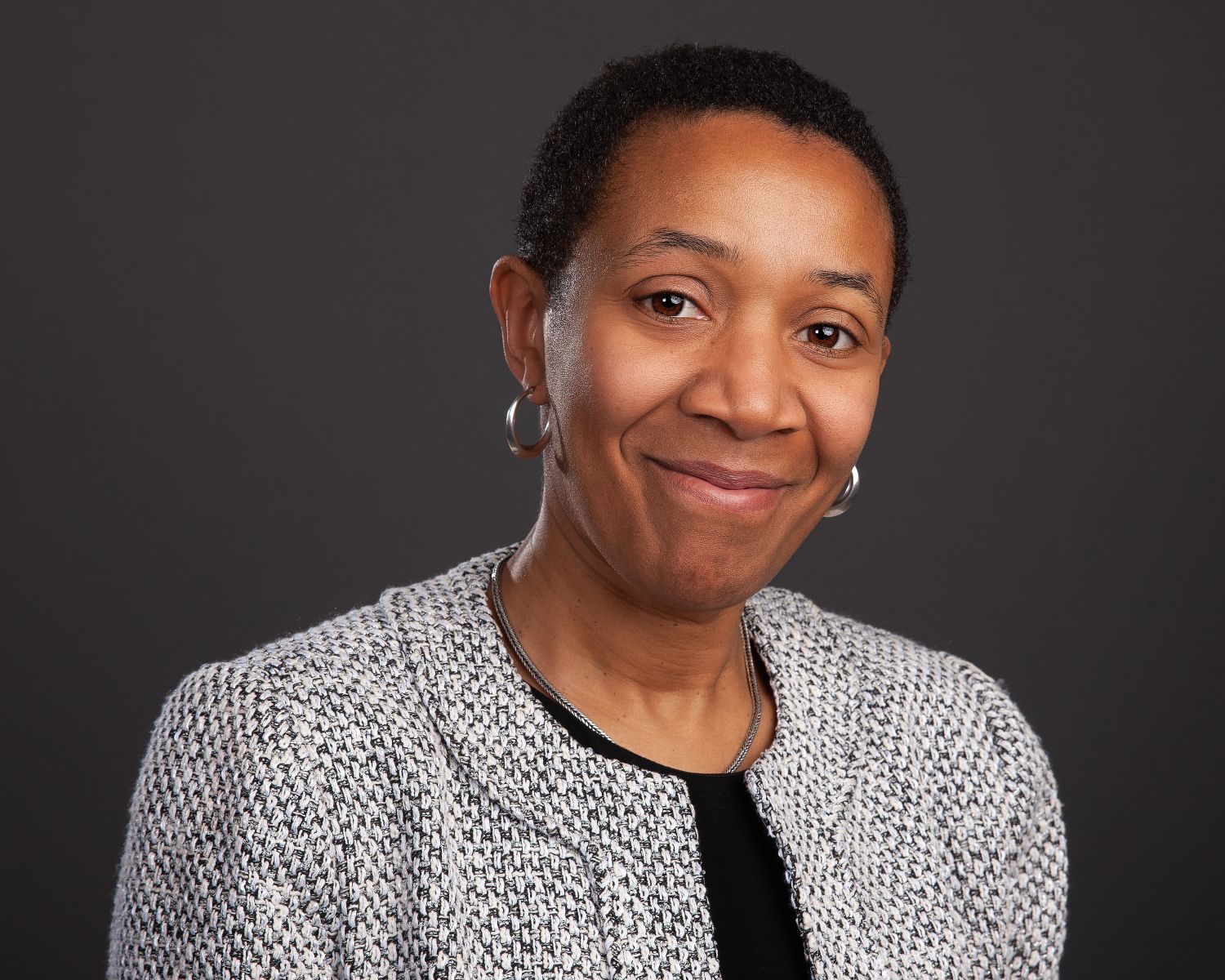 Stephanie Simpson has more than two decades of experience in human rights and advocacy. Stephanie has been instrumental in nurturing accountability at Queen's University in Indigenization - Equity, Diversity, Inclusion, Anti-Racism, and Accessibility (I-EDIAA)-related matters.
As the Vice-Principal (Culture, Equity and Inclusion), she plays a key role in fostering both competence and legislative compliance around matters such as inclusivity, diversity, accessibility, anti-racism, human rights, and equity within the Queen's community.
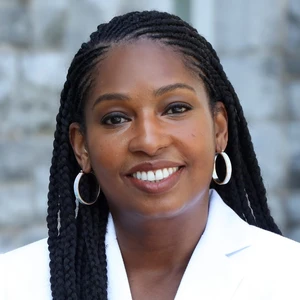 Lavonne Hood has been the Associate Vice-Principal (Human Rights, Equity and Inclusion) since June 2023. Prior to joining the HREO, Lavonne served as the University Ombudsperson at Queen’s from August 2019.
Throughout her career, Lavonne has been deeply committed to I-EDIAA. Before joining Queen’s in October 2018 as Senior Legal Counsel, she worked as Legal Counsel for the Department of Justice, where she served as the Co-Chair of the Advisory Committee on Visible Minorities. This work garnered her both the individual and team National Awards for Employment Equity and Diversity Leadership from the Department of Justice.
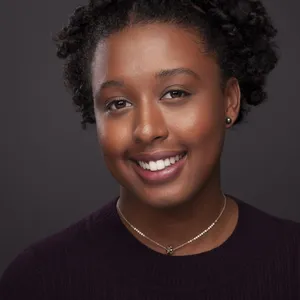 Lavie Williams is the director of the Human Rights and Equity Office. As a proud Black woman with roots hailing from the Caribbean and a deep love for community, she spent her time at university studying, thinking, critiquing, and organizing at both Queen’s University and the University of Sussex as well as in the broader communities. Her Black feminist, anti-oppressive (budding abolitionist) praxis are all part of the space she occupies in the realm of human rights, equity, community work, and life in general. Put simply, Lavie bases her work on challenging ‘neutral’ situations to fully recognize, affirm, center and most importantly, make space for those who experience marginalization and oppression. Lavie endeavours to collaborate with and empower our communities to achieve substantive change and social transformation - culturally, systemically, and interpersonally.
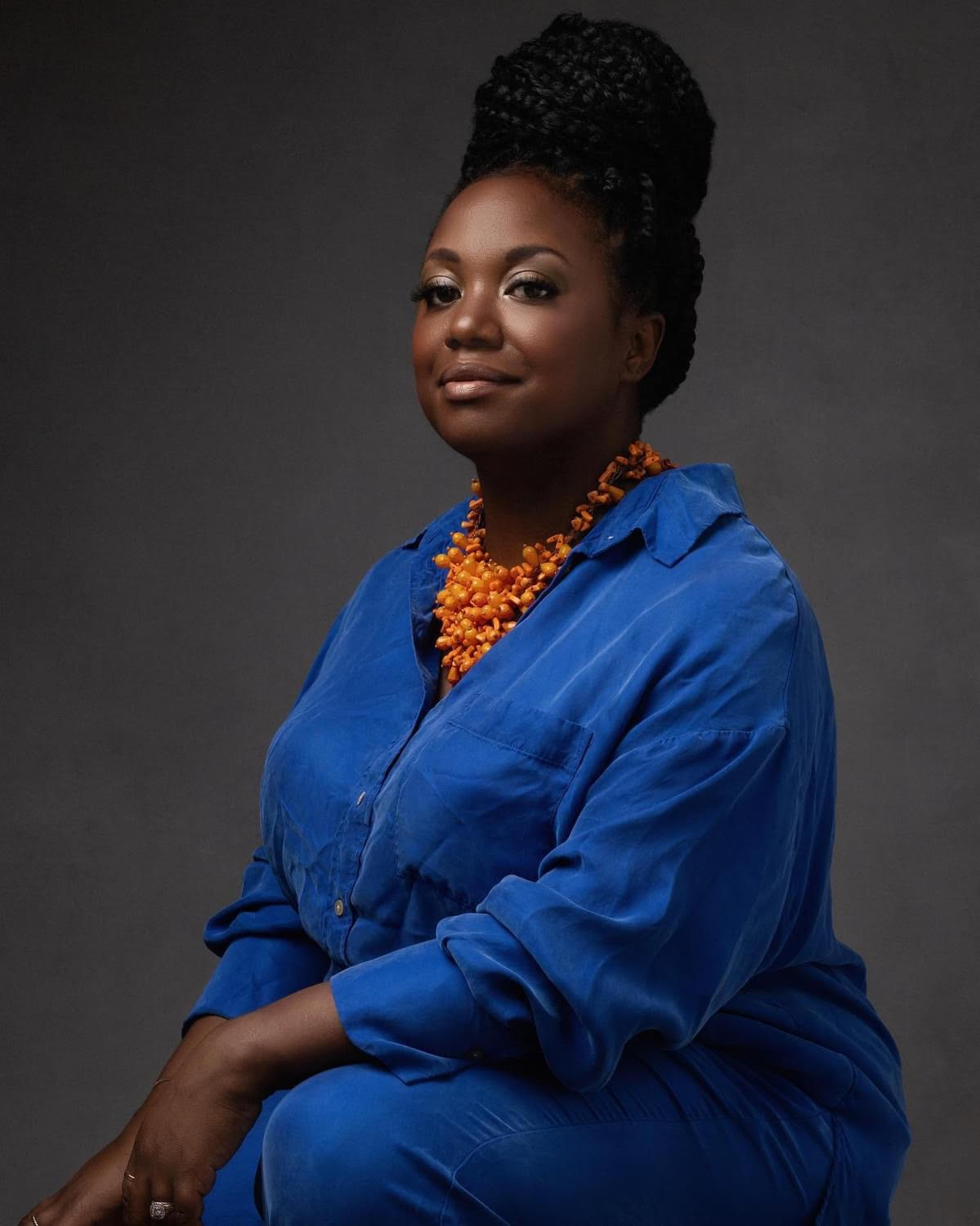 Tianna Edwards is the Equity, Diversity, and Inclusion Coordinator at the Yellow House Student Centre for Equity and Inclusion. She launched the Black at Queen’s program that includes the Black Welcome, Black Light Speaker Series and Black Swims. She also supports the Queen’s Black Club Caucus and hosted feedback sessions with Black community to advance the Scarborough Charter at Queen’s. She curates spaces of belonging, joy, and healing, fosters mentorship and community. Her work bridges the University and the broader Kingston community to nurture connections among the Black community.
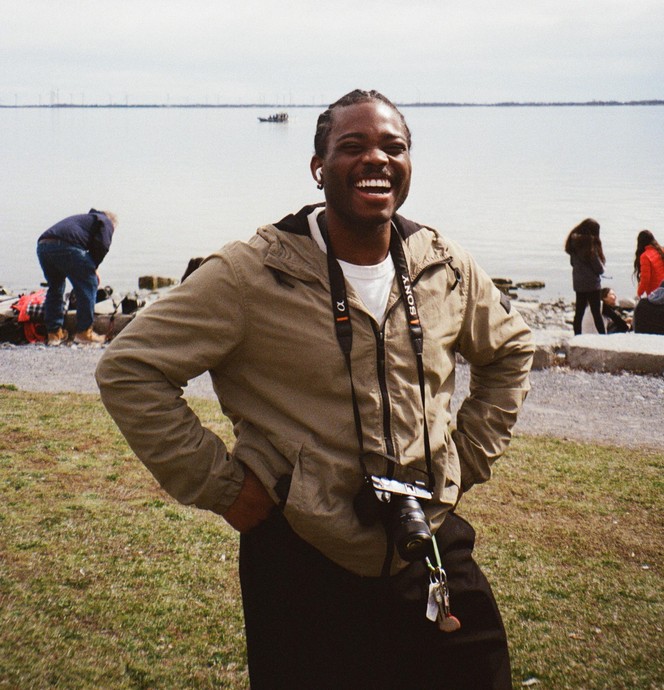 King-David Olajuwon (Bachelor of Nursing, Class of 2025) is more than just a creative; he is a cultural architect whose work has helped reshape how Black identity, artistry, and visibility are experienced at Queen’s University. Through his personal artistic catalogue as a photographer, his role as Assistant Manager of Photography and Videography at the AMS Media Centre, and his tenure as Creative Director of the Queen’s Black Fashion Association, King-Daivid has consistently used visual storytelling as a tool for representation, empowerment, and community building.
His creative leadership has been instrumental in advancing Black representation in the arts at Queen’s, pioneering gallery showcases at the Isabel Bader Centre, the Union Gallery, and more, as well as visual performances, including the QBFA’s Colour Theory fashion show. These initiatives are now becoming cultural staples on campus, and by centring Black narratives, aesthetics, and excellence, his work embodies what Black flourishing in creative spaces truly looks like.
Beyond his own artistic contributions, King-Daivid is deeply committed to mentorship and the growth of the artistic community. He actively supports and uplifts students pursuing creative pathways, prioritizing the development of a connected, collaborative, and sustainable artistic community at Queen’s through workshops and meaningful spaces for collaboration. Through both his vision and actions, he continues to trailblaze spaces where Black creativity is not only visible but celebrated.
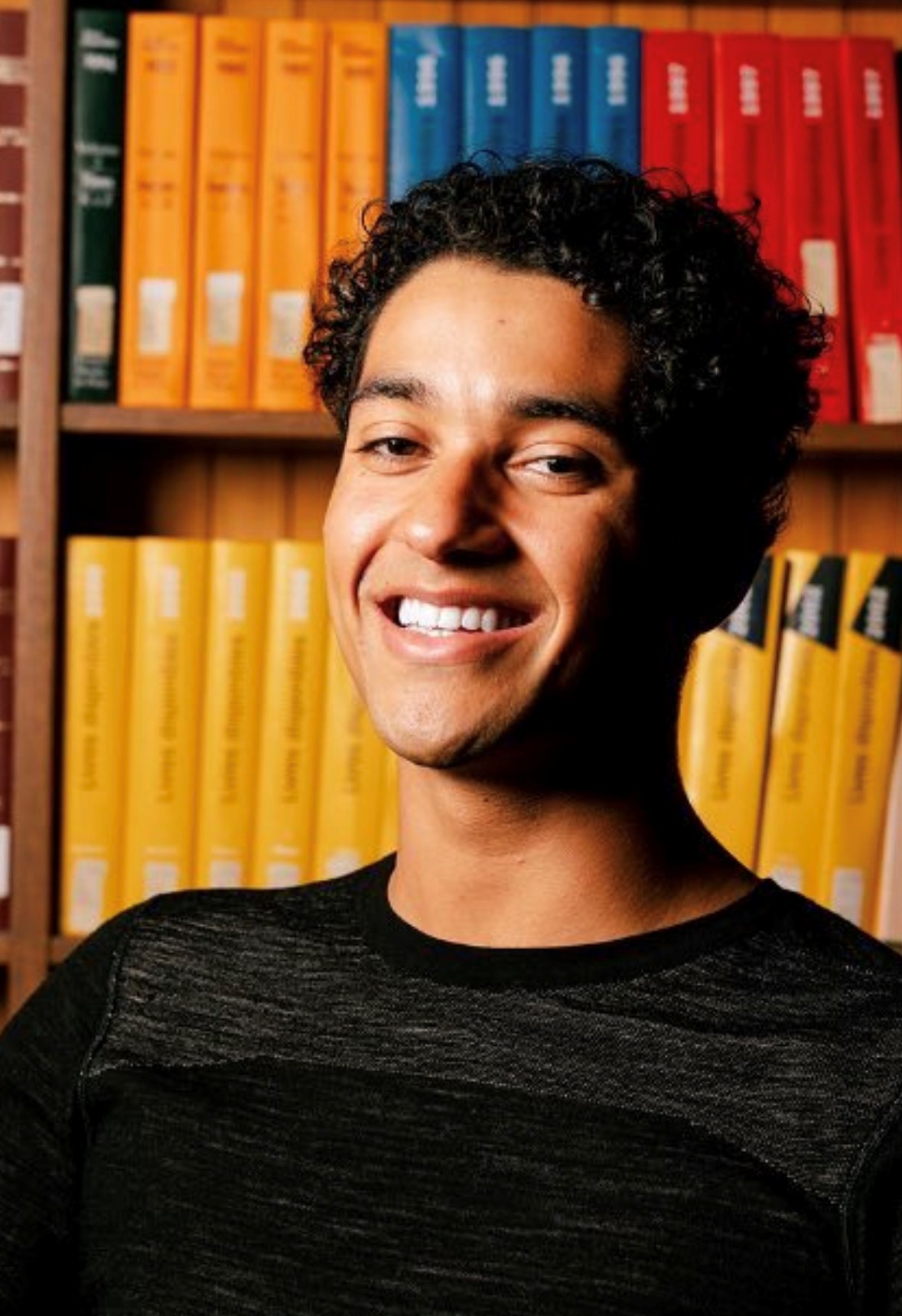 Samuel Lowe is a Bachelor of Arts student in Environmental Studies at Queen’s University (2024–2027) whose leadership and community work center Black advocacy, access, and equity on campus and across the nation. A 2021 Loran Scholar and Chernoff Scholar at Queen’s University, Samuel brings a strong foundation of academic excellence and community leadership to every space he occupies.
At the national level, Samuel is the Co-Founder and current Chair of the Black Undergraduate Coalition (BUC), a non-profit organization that brings together Black undergraduate student organizations from universities and colleges across the country. The BUC works to strengthen collaboration, share advocacy tools and best practices, and advance institutional accountability in line with the Scarborough Charter on Anti-Black Racism and Black Inclusion in Canadian Higher Education. In this role, Samuel supports coordinated advocacy efforts that push postsecondary institutions to move beyond symbolic commitments toward measurable, structural change with direct collaboration with Scarborough Charter Secretariat.
At Queen’s University, Samuel has held leadership roles within the Queen’s Black Academic Society and the Queen’s Black Clubs Caucus, and currently serves as Conference Chair for the Queen’s Black Academic Society (QBAS). Through leadership, scholarship, and service, Samuel continues to build pathways for meaningful impact, contributing to more equitable and inclusive academic spaces at Queen’s University and beyond.
 Rabeca Mengesha is a Queen’s University alum (2021–2025) who earned a Bachelor of Arts (Honours) in Sociology alongside a Queen’s Certificate in Law. Her work at Queen’s centered on building sustainable community, institutional advocacy, and creating affirming spaces for Black students.
Rabeca served as Co-Lead of the Black Clubs Caucus within the Queen’s Human Rights and Equity Office, where she co-established the university’s inaugural Black Orientation to support Black first-year students and strengthen community during their transition to university life. She also led Queen’s first Black History and Futures Month Kick-Off Event, engaging senior university leadership, faculty, staff, and students in meaningful dialogue and celebration.
In addition to her institutional work, Rabeca was deeply involved in Black student leadership as Co-President of the Queen’s Black Academic Society (QBAS). She previously served as Conference Finance and Sponsorship Coordinator, playing a key role in securing resources and ensuring the sustainability of large-scale conferences and programming. Through these roles, she also maintained and supported the Black Liberation Commons, a dedicated space for Black-identifying students to study, gather, and host events.
Through advocacy, leadership, and intentional community-building, Rabeca has made a lasting impact on Black student life at Queen’s University.
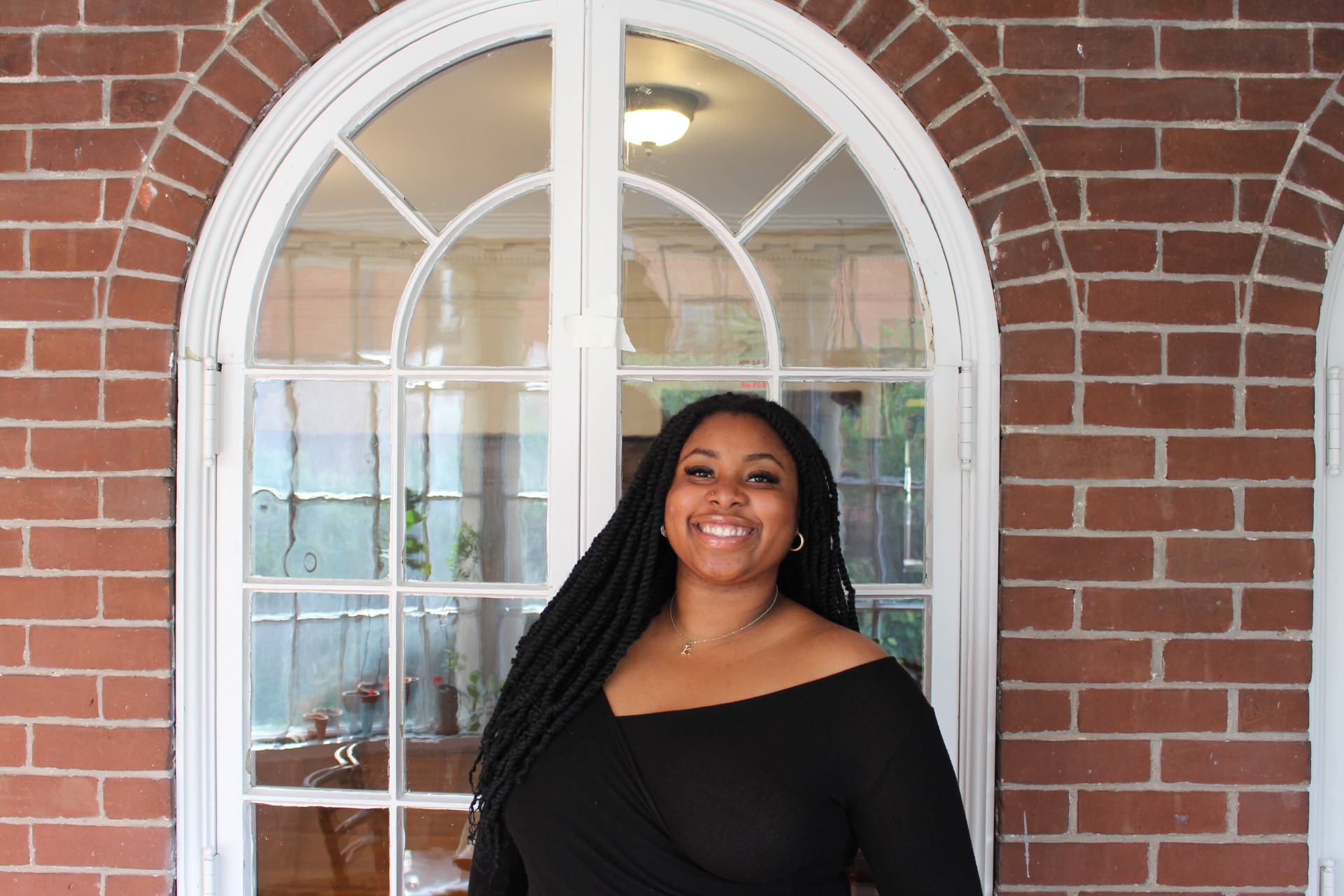 Ruth Osunde is a fourth-year Bachelor of Arts student whose leadership has shaped both student life and institutional advocacy at Queen’s University. Since arriving at Queen’s, she has held a range of senior leadership roles across Black student organizations and student government, consistently working to amplify Black voices and build a sustainable community.
Ruth has served as Operations Manager, Conference Director, and Conference Chair for the Queen’s Equity Conference, and as President of the Queen’s Black Fashion Association, where she led innovative conferences and signature formals celebrating Black excellence and creativity. Within the Queen’s Black Academic Society, she has progressed from Year Representative to Conference Chair and now serves as a Senior Advisor.
Her impact also extends into student governance. Through the Alma Mater Society, Ruth has advocated for equity at the institutional level as Social Issues Commissioner and Vice President of University Affairs. In this role, she leveraged her connections to both the student body and student government to serve as a bridge, dismantling Black issues on campus. From 2023 to 2025, she further served as Co-Chair of the Queen’s Black Clubs Caucus and as an ambassador for the Human Rights and Equity Office.
Across organizing, advocacy, and mentorship, Ruth has established herself as a trusted leader and a lasting pillar for current and future Black students at Queen’s University.
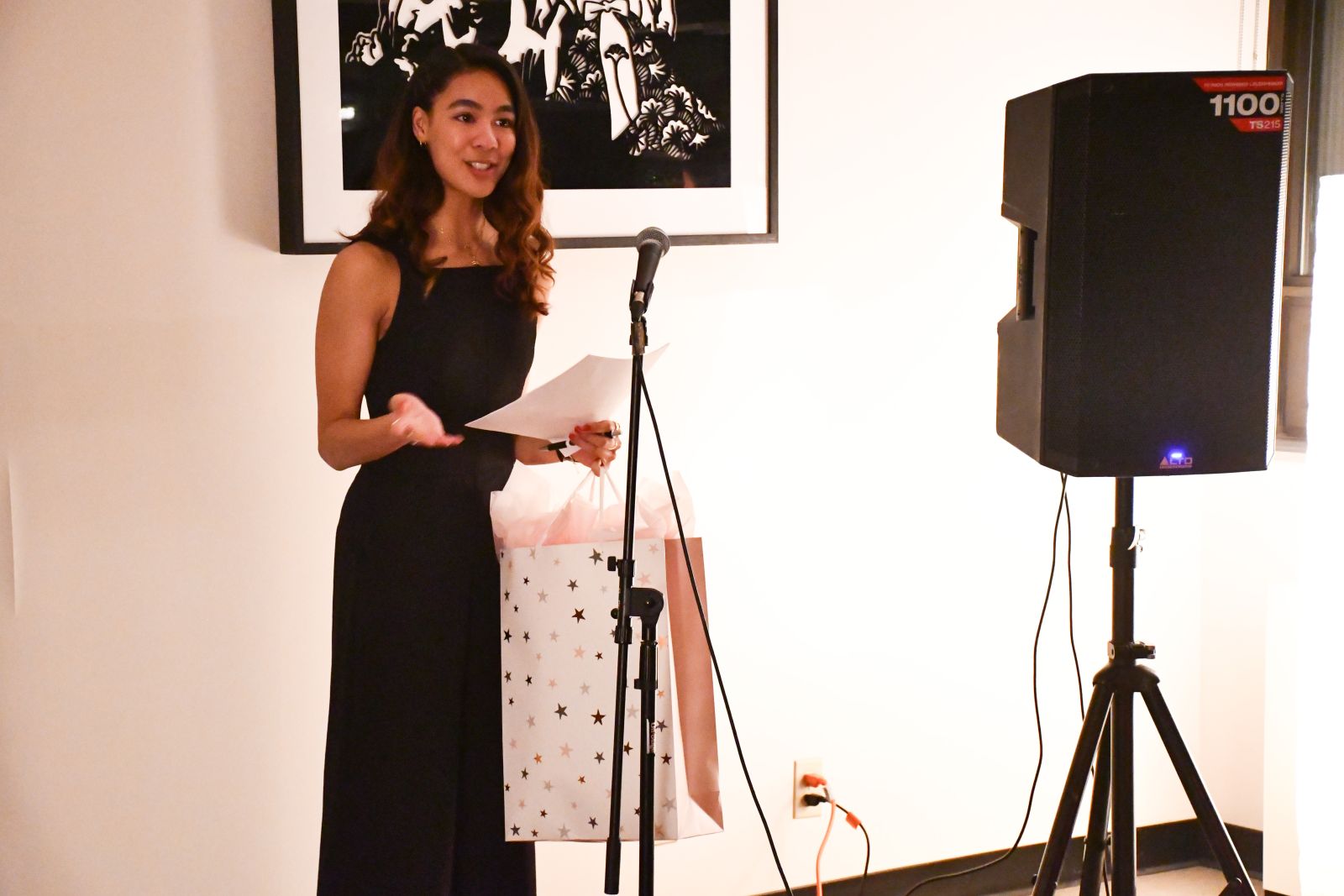 Amaiya Walters is a J.D. Candidate at the Lincoln Alexander School of Law (Toronto Metropolitan University) and a Queen’s University alum (2019–2023), where she earned a Bachelor of Arts in Sociology. Throughout her time at Queen’s, she held senior leadership roles across student government and equity-focused organizations, consistently advocating for marginalized students and driving institutional change.
Amaiya served as President of the Arts and Science Undergraduate Society (ASUS), representing one of the largest faculties at Queen’s and leading on academic advocacy, student engagement, and governance. Her equity work extended through the Queen’s Human Rights and Equity Office, where she served as Black Students Caucus Lead, amplifying Black student voices and advancing systemic equity initiatives.
She also held the role of AMS BIPOC Talk Manager within the Alma Mater Society, creating space for dialogue and community around race and identity. In Black student leadership, Amaiya served as Co-President of the Queen’s Black Academic Society (QBAS) and as Co-Chair of the Queen’s Equity Conference, helping organize large-scale conferences centered on equity, education, and social justice. Additionally, she co-founded and served as Co-President of the Queen’s Feminist Collective, working to build an inclusive, intersectional feminist community on campus.
Through collaboration with the Black Studies program, Amaiya played an integral role in the creation and opening of the Black Liberation Commons, a social/study space dedicated to Black students that fosters creativity, self-expression, and identity. Since its opening, the space has hosted countless meetings, study sessions, and socials.
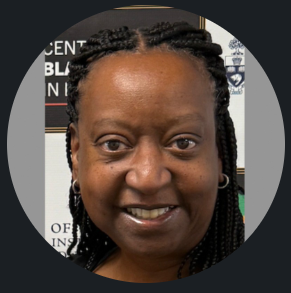 Andrea Barrow is a graduate from Queen’s University with a B.A. (History), B.P.H.E, and B.Ed.She has been an educator with the Limestone District School Board for 18 years and is currently the Equity and Inclusion Consultant (grades 7-12). Andrea is a course writer and instructor with Queen’s University Faculty of Education (Continuing Teacher Education) for Addressing Anti-Black Racism, Part 1, 2, and Specialist and the Health and Physical Education Honour Specialist courses.
Andrea serves on a number of committees including being the Chair of the Ontario Secondary School Teacher Federation (OSSTF) Addressing Anti-Black Racism/Racism Provincial Committee, Equity Committee Chair for Ontario Federation of School Athletic Association and District Equity Chair for OSSTF. For the past 8 years, Andrea has been a Teacher Champion with the Canadian Red Cross as a presenter on Exploring International Humanitarian Law and a writer for the Sexual and Gender Based Violence during Armed Conflict, The Humanitarian Education Curriculum Guidebook.
As an educator, Andrea is committed to creating inclusive spaces where all students thrive. She has helped develop a number of student programs including Black and Racialized Student Affinity groups and the Black Student Association which provides students with the opportunity to gather and celebrate all parts of their identity.
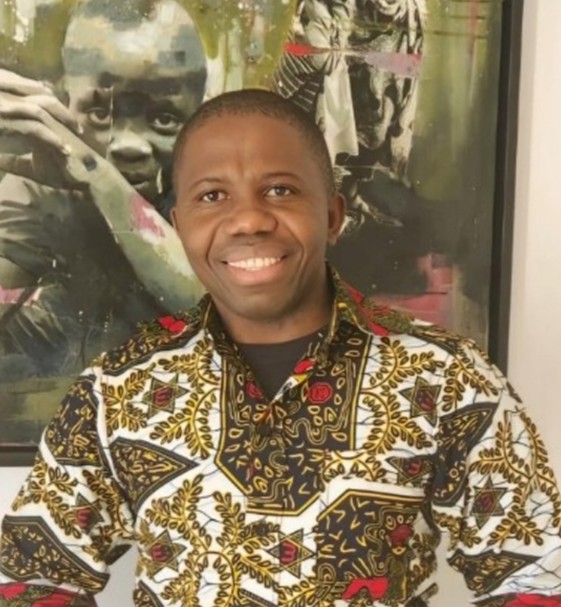 Msenwa Mweneake, MAL, MSW, is a registered social worker, inclusive and transformational leader, and community advocate with over 15 years of experience working across child welfare, mental health, and community-based services in Africa and Canada. He currently serves as Director of Services, Equity and Transformation, at Family and Children’s Services of Frontenac, Lennox and Addington where he leads system-level change focused on equity, belonging, and trauma-informed practice. With other Black Community members, he played a key role in establishing Umoja Black Advisory Council where he serves as a co-chair. He also helped establish Umoja Hub and French Language Services Hub that provides culturally grounded and responsive services to Black and Francophone children, youth and families in KFL&A. He is also a co-chair of Equity and Inclusion Community of Practice Roundtable. He also serves as a board of directors at Maltby Centre and St Lawrence Youth Association.
Msenwa brings powerful lived experience to his work as a war-survivor child, who spent over 15 years as a refugee across three countries fighting dehumanizing systems. During the 1996 DR Congo war, he was forced at age 15 to become a caregiver to his two younger sisters and other displaced children — an experience that continues to shape his leadership philosophy rooted in Ubuntu, courage, and care.
He is also the author of Still With Us: Untold Stories of War, Resilience, and Hope and the founder of Msenwa Foundation (www.msenwafoundation.com).
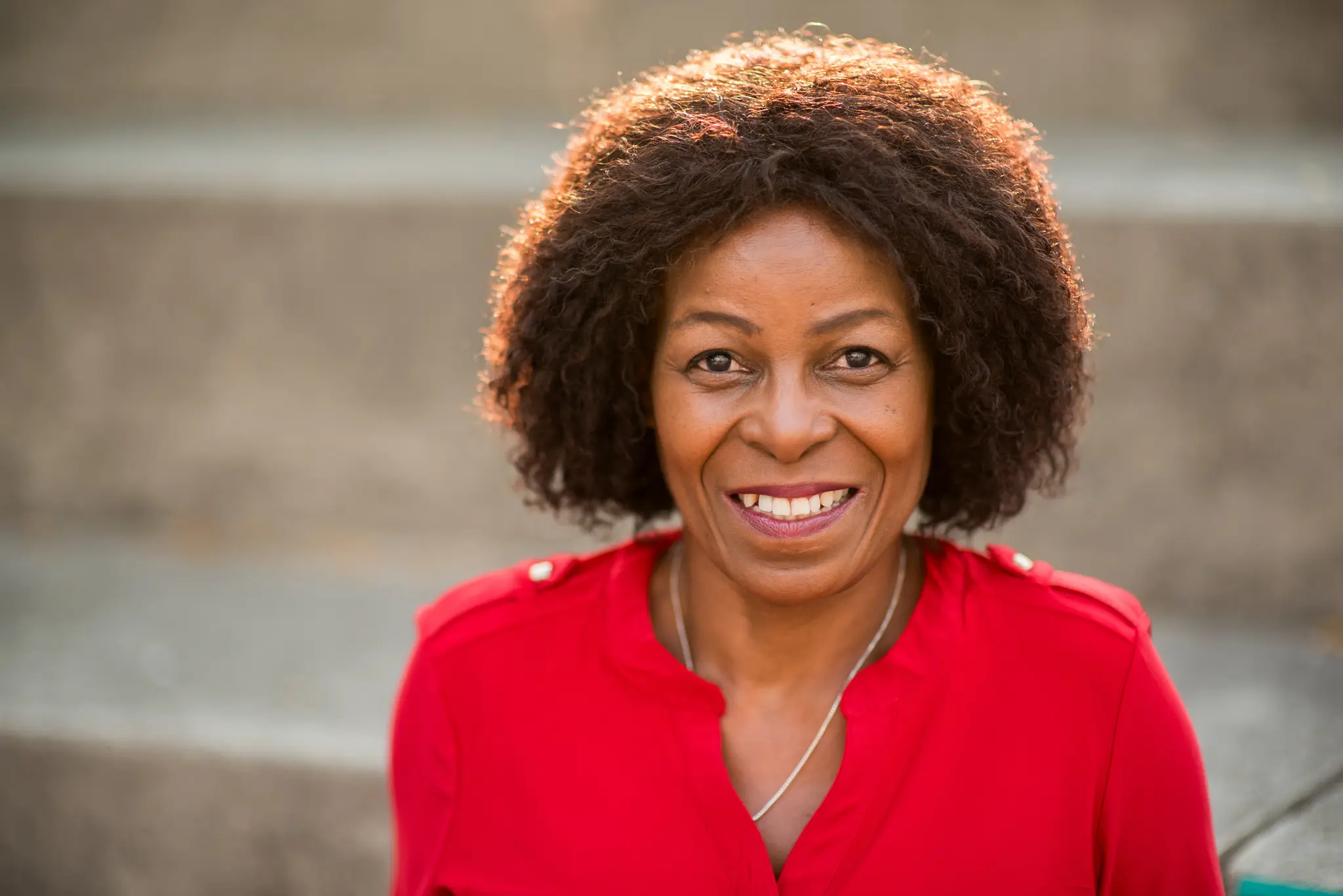 Dr. Nomusa Mngoma is the founder and artistic director of Dansani Dance Company, a dance studio located in Kingston, Ontario. She is an award-winning and multi-talented professional who believes in and practices the African saying of Ubuntu. Nomusa Mngoma practices Ubuntu by sharing her passion for bringing diverse community members together with rhythm and dance. Her mission is to create a space where everyone feels welcome and comfortable to explore and learn dance. Dr. Mngoma provides Latin dance lessons, including Salsa, Bachata, Cha Cha Cha, and Merengue, and a range of ballroom dances such as the slow waltz and Viennese waltz. She also provides personalized “First Dance” wedding dance choreography, lessons, and specialized classes for seniors and those with mobility challenges. Nomusa has taught at the Canadian Armed Forces, hospitals, universities, and other local communities.
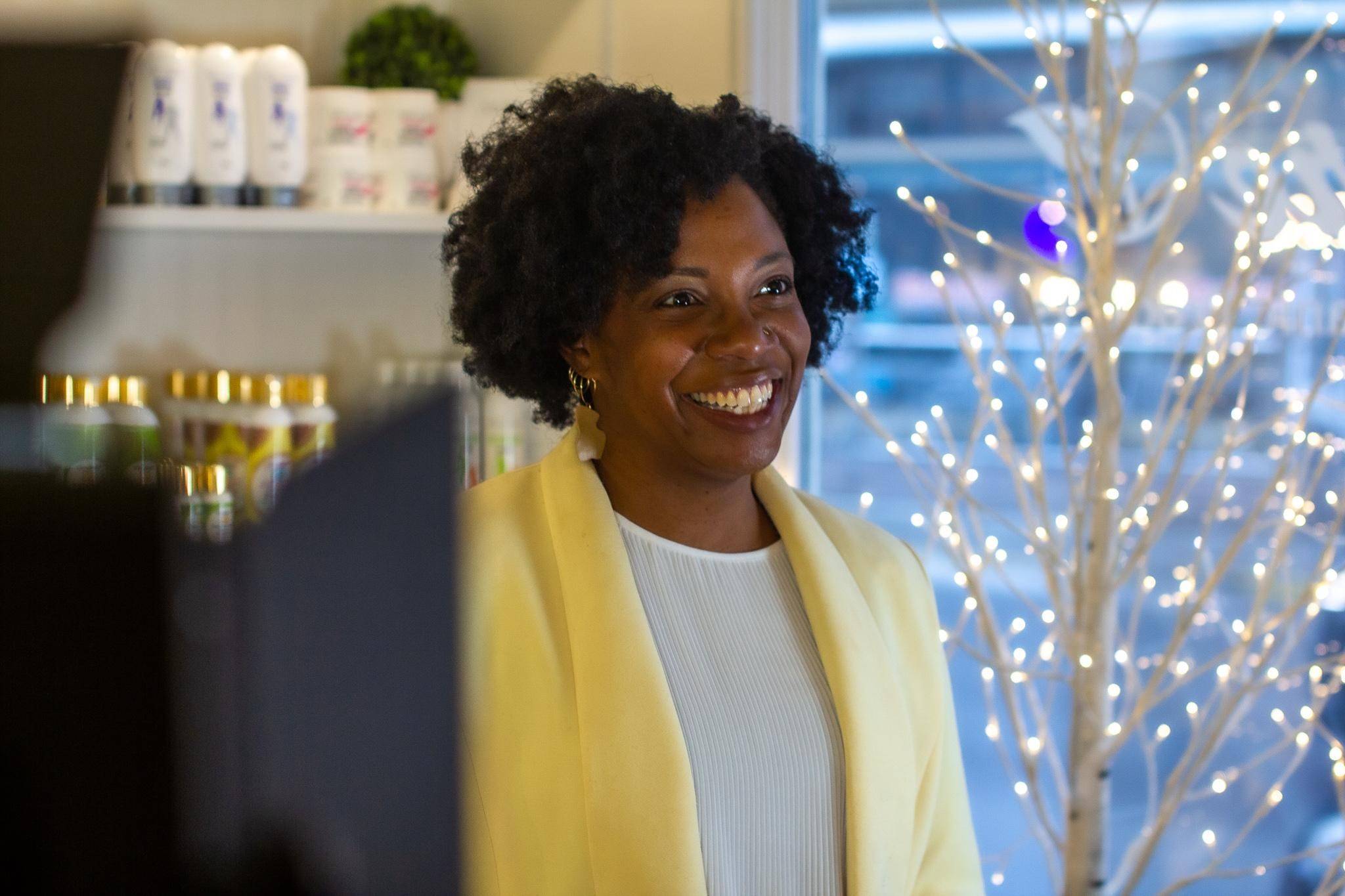 Dr. Aba Mortley is the founder and driving force behind Cher-Mere Canada, where she has established and expanded the brand’s presence in Kingston, Ontario. Originally from Trinidad and Tobago, she moved to Canada to pursue higher education, earning a bachelor’s degree in engineering chemistry from Queen’s University, followed by a master’s and a PhD in materials and chemical engineering from the Royal Military College of Canada.
Drawing on her family’s Caribbean heritage and the legacy of the original Cher-Mere brand, Dr. Mortley opened the first Cher-Mere Day Spa in downtown Kingston in 2013 and later expanded with a second location in 2018. Under her leadership, Cher-Mere Canada has become known for its commitment to natural, plant-based products, eco-conscious practices, and inclusive wellness services.
Dr. Mortley’s involvement extends beyond her business. She has served in leadership roles such as chair of the Tourism Kingston board of directors and co-chair of the Queen’s University Council on Anti-Racism and Equity, and she is actively engaged with community organizations including Youth Diversion and the Kingston Economic Recovery Team. Through her work, she emphasizes community connection, support, and equity.
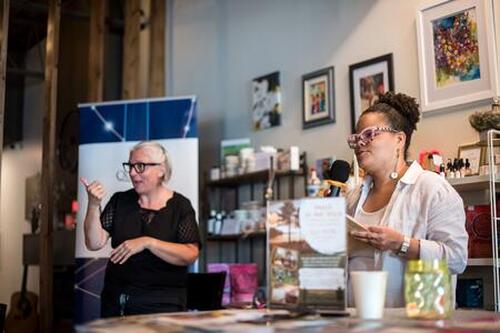 Martha Williams is the founder and owner of Pedal Works Café & Studios, a community centered space in Kingston that brings together movement, art, coffee, and connection. With over 30 years in the fitness industry, Martha is one of only three Master Instructors in Canada among 140 worldwide and is a respected public speaker and presenter in the health and wellness field.
Pedal Works Café & Studios is home to a truly one-of-a-kind Spinning® and Studio II programming model, intentionally designed to support physical, emotional, and social wellbeing in a welcoming and inclusive environment. Guided by a lifelong commitment to equity and community care, Martha has created a space that prioritizes safety, fair wages, and collaboration with local, Black owned, and Indigenous owned businesses while uplifting artists, writers, and wellness practitioners. Through her leadership and entrepreneurship, she continues to foster belonging and Black flourishing in Kingston.
 Black Luck Collective is a community-led organization in Kingston dedicated to strengthening connections among Black residents and making Black life visible in the city. Founded in 2018 as a space by and for Black people, the collective fosters togetherness, mutual support, and community empowerment through social connection, shared events, and collaborative initiatives. It operates as a flat, volunteer-run organization focused on community building rather than hierarchy, and offers opportunities for connection through events, partnerships, and a community WhatsApp group.
The Ujoma Black Advisory Committee is a collaboration between Family and Children’s Services of Frontenac Lennox and Addington (FACSFLA) and the Limestone District School Board (LDSB). The purpose of this committee is to improve supports and services for families from the Black community who interact with the LDSB, FACSFLA and other organizations within the Kingston Frontenac Lennox and Addington (KFLA) community.
Legacies That Live
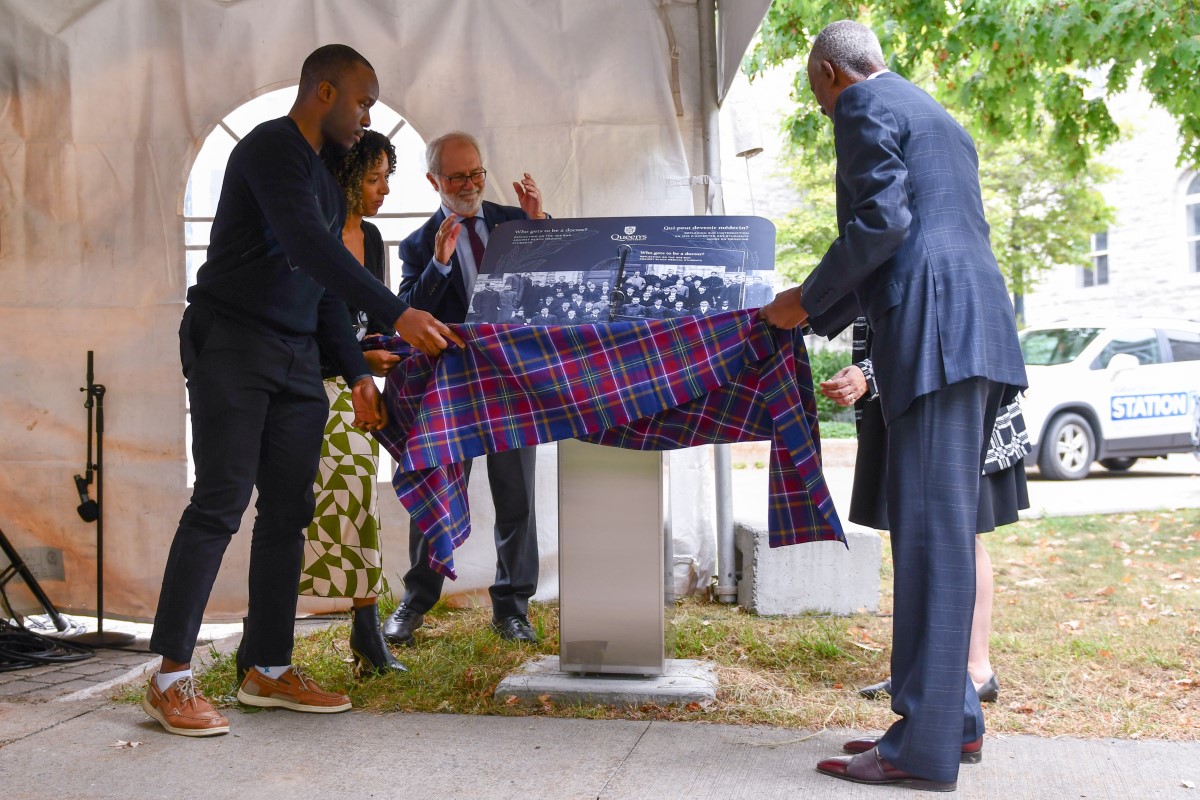 Black medical students were expelled from Queen’s Faculty of Medicine in 1918. These actions followed the return of wounded soldiers who, in 1917, demanded to be cared for by white doctors and students. As a result, 15 Black medical students were expelled from the program. Black students were not allowed back into the Faculty of Medicine until 1965.
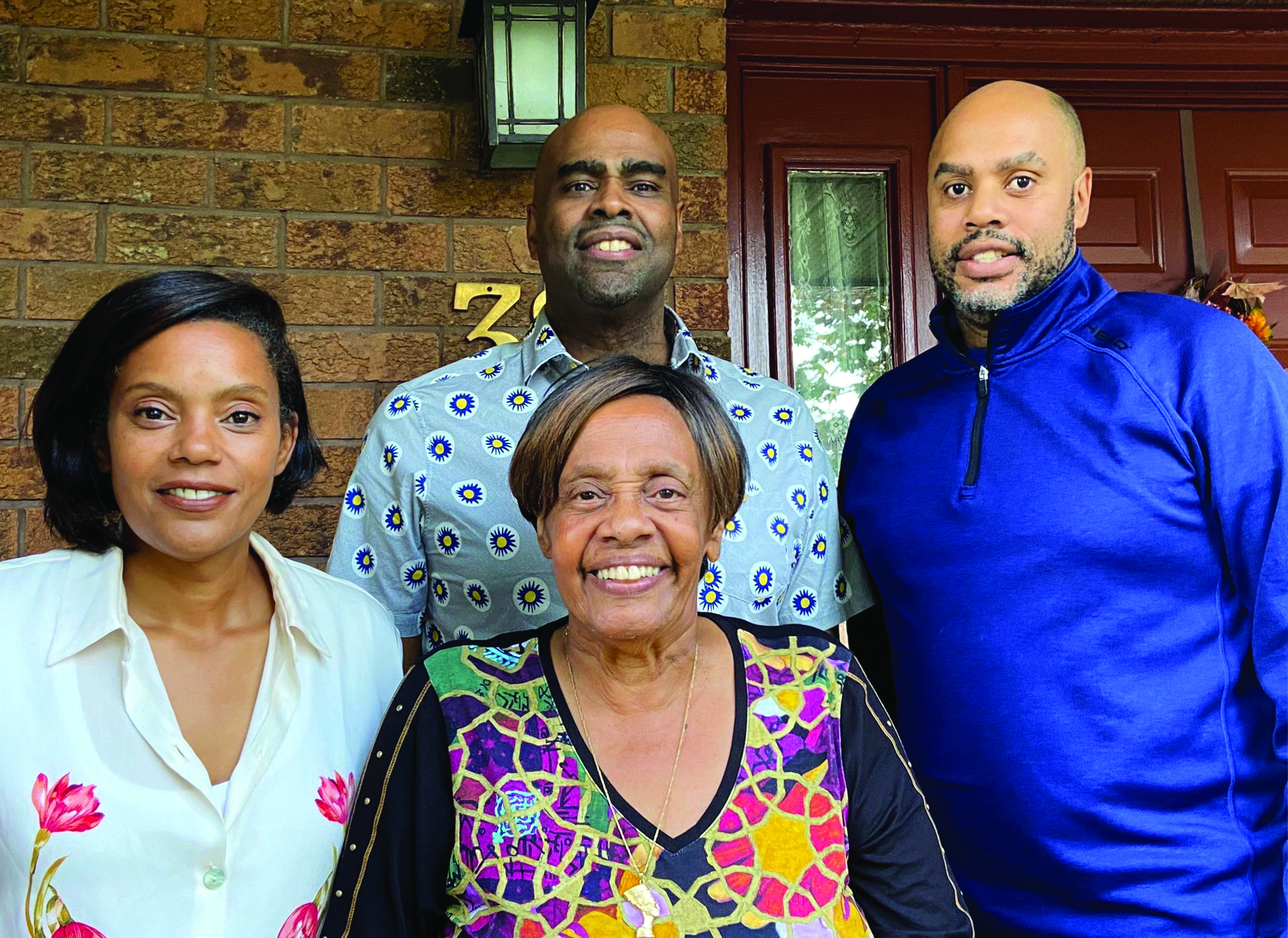 Judith Brown was a long-time educator, equity advocate, and community builder in Kingston. She was a dedicated champion for African and Caribbean communities, working to advance racial and ethnic inclusion both locally and at Queen’s University. Mrs. Brown was a founder of the Afro-Caribe Community Foundation of Kingston and a strong supporter of Black student and community organizations, including the Queen’s Black Academic Society and the Queen’s Black Alumni Chapter. She also served the broader community as a recently elected trustee with the Limestone District School Board.
_0.jpg) After arriving on the Kingston campus of Queen’s University in the fall of 1939 from Bermuda, Elizabeth ‘Betty’ Musson Kawaley, BA’43, discovered she was the lone Black student on campus.
After arriving on the Kingston campus of Queen’s University in the fall of 1939 from Bermuda, Elizabeth ‘Betty’ Musson Kawaley, BA’43, discovered she was the lone Black student on campus.
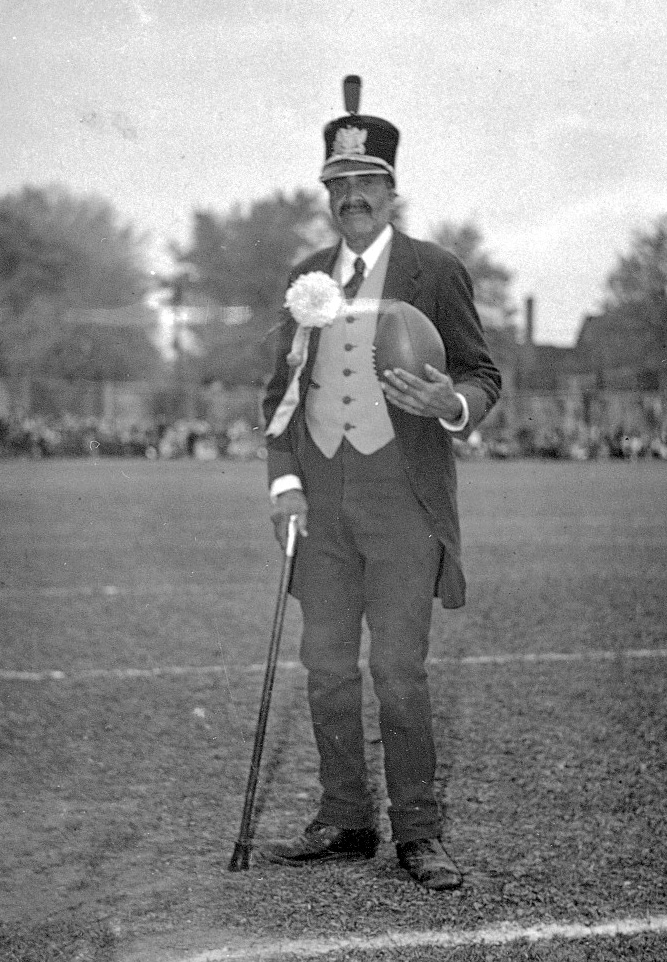 Alfred Pierce, a native of Kingston born in 1874, had a troubling relationship with Queen’s University. As a teenager, he caught the eye of the football team and became a mascot, who was said to personify the spirit of Queen’s. However, he was a Black man chosen to delight overwhelmingly white crowds. Over the years, Pierce lived in a room under Richardson Stadium in the summer, sharing quarters with Boo Hoo the bear, while in the winter he lived inside the Jock Harty arena boiler room.
 The history of Black students, staff, and faculty have substantial roots at the university. Robert Sutherland was not only the first Black student to graduate from Queen’s, but his financial contribution saved the university.
Resources
 Black Histories and Futures Month, is an opportunity to reflect on the experiences and acknowledge the accomplishments of Black community members. Teaching and learning about Black history in addition to recognizing Black communities is not constrained to the month of February — it should be done throughout the year.
 The Human Rights & Equity Office (HREO) is dedicated to advancing Indigenization, Equity, Diversity, Inclusion, Accessibility, and Anti-Racism (I-EDIAA) throughout the university. Through an approach that focuses on a removal of barriers, we aim to transform everyday practices and cultivate a welcoming and inclusive environment for students, faculty, staff, and the broader community. We support inclusive excellence by helping Queen’s University not only meet human rights and equity legal requirements but also align with society’s growing expectations for sustainability and social justice.
 The Queen’s Black Faculty and Staff Caucus was formed to promote a greater sense of community, advocate progress, and maintain ongoing support for all Black faculty and staff at Queen's University to enhance cultural diversity and support the university's academic mission.
 Black studies is an interdisciplinary field. And while many Black scholars are trained in a specific discipline, their work often transcends disciplinary rules. When you take Black studies courses at Queen’s, you’ll not only be introduced to content by and about Black people but also how we approach the study of liberation from many different angles and many different points of view.
 The Scarborough Charter On Anti-Black Racism and Black Inclusion in Canadian Higher Education was created following the 2020 National Dialogues and Action for Inclusive Higher Education and Communities. In November 2021, Principal Patrick Deane signed the Scarborough Charter, committing Queen's to implementation of the Charter's various action items and to full accountability to a sector network of signatory institutions.
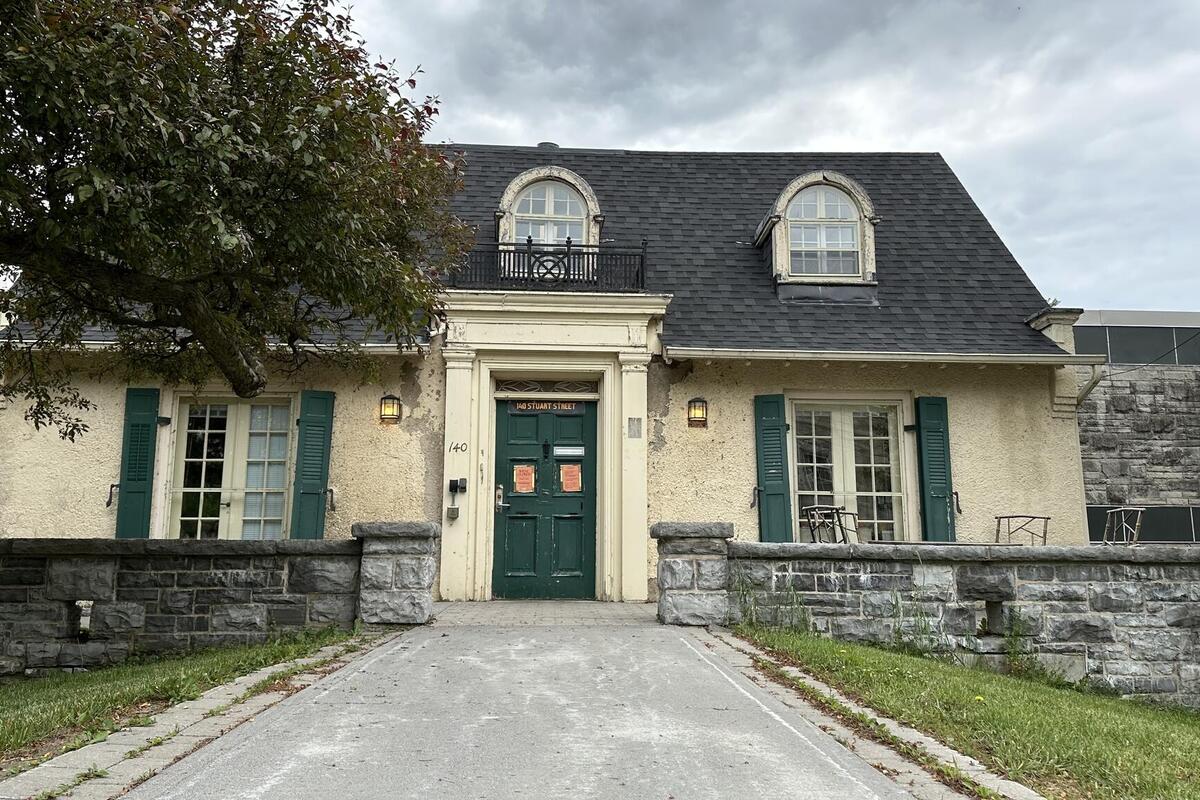 The Yellow House Student Centre for Equity and Inclusion team (commonly referred to as "the Yellow House") is committed to creating comfortable and accountable spaces for students who identify as Queer, and/or Trans, and/or Black, and/or Indigenous, and/or as People of Colour (QTBIPoC) to feel safer, to create community, to be empowered, to celebrate their identity, and to flourish.
If you know someone doing great work within the Queen's and/or Kingston communities and deserves to be highlighted, please contact us at vpcei@queensu.ca.