

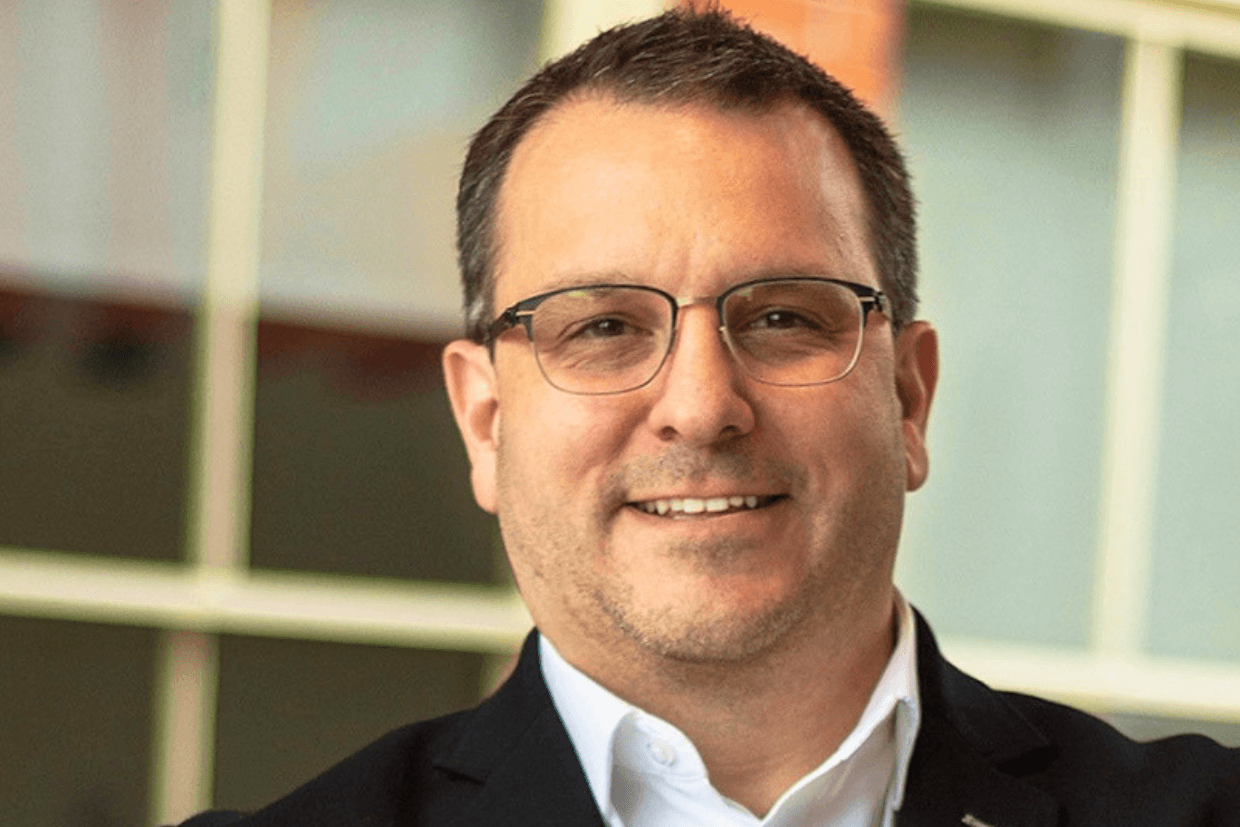
The Tree of Life will bear the fruits of reconciliation. At least that’s the hope of Queen’s University alumnus Andre O’Bonsawin, MMIE’19.
The 2026 winner of Indspire’s Education Laureate Award, O’Bonsawin is recognized by Indspire for “strengthening Indigenous student success and transforming how institutions engage with Indigenous Peoples.”
O’Bonsawin’s recognition is rooted in his commitment to advancing reconciliation work through education.
“It’s all about reconciliation,” he says of the focus of his more than 25-year career. “The work I want to do is really make an impact throughout Canada.”
The potential reach of O’Bonsawin’s work has never been greater. He is currently head of Indigenous Affairs for the Toronto Catholic District School Board (TCDSB), where he led the development of the Tree of Life Indigenous Education Framework. It’s meant to improve success for Indigenous students, guide educators, and increase exposure to Indigenous cultures, histories, and languages for all learners and employees.
“People don’t understand the true history of Canada,” O’Bonsawin says, noting true allyship for Indigenous students starts with awareness. “It’s about supporting all staff to do reconciliation work and to answer the calls to action” established by Canada’s Truth and Reconciliation Commission.
Tree of Life is based on the Four R's of Indigenous education: respect, relevance, reciprocity, and responsibility. The framework invites everyone in the TCDSB to participate in reconciliation. It also serves as a model for other school boards and educators across the country.
O’Bonsawin’s has witnessed the transformative power of participation and engagement. From post-secondary institutions and non-profits to Indigenous communities, he has worked to support and collaborate with institutions, organizations, and businesses to incorporate Indigenous knowledge.
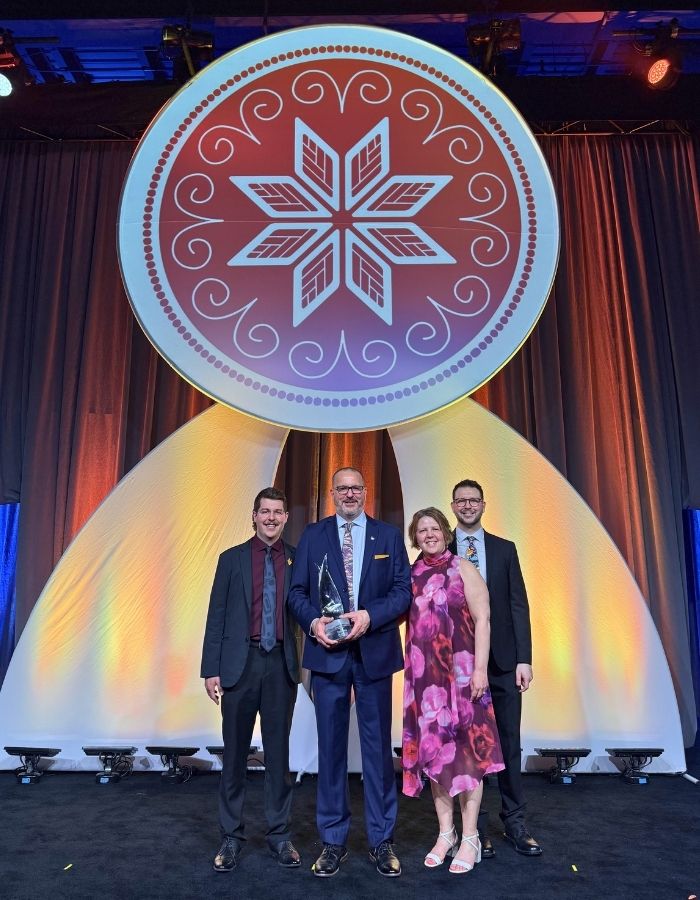
O’Bonsawin received the 2026 Indspire Education Laureate Award, honoring his efforts in strengthening Indigenous student success and transforming institutional engagement with Indigenous Peoples.
While director of Indigenous Initiatives at Algonquin College in Ottawa, O’Bonsawin bolstered the recruitment and retention of Indigenous students and helped embed Indigenous ways of knowing throughout campus life. While at Algonquin, O’Bonsawin also recognized that real change needs to happen much earlier in the academic cycle.
“It helped me to understand what Indigenous students go through before [college or university],” he explains. “I could see why we have challenges by the time students get to post-secondary. We don’t have spaces for Indigenous students from kindergarten to Grade 12. And, by that, I mean we are trying to fit them into a colonial system. We tell kids to ‘be who you are’ but we don’t give them the opportunity.”
An Abenaki leader and member of Odanak First Nation, O’Bonsawin grew up in Northern Ontario, where he often felt disconnected from his culture and language. That early experience brings him full circle. Now he’s the one leading change for young students in one of the biggest school boards in the country. And the Tree of Life provides the roots and branches to nourish connection and mutual understanding.
O’Bonsawin credits his Queen’s education for giving him the tools and perspective to develop and implement such an ambitious, multi-phase project.
His Master of Management Innovation and Entrepreneurship taught him not only how to be creative, but how to turn ideas into action. That means thinking strategically and long-term and understanding how to manage the path forward.
“You can’t just solve the problem in the moment,” he explains. “What is going to make it sustainable? I'm very fortunate to have that sense of vision and my Queen’s program really helps you see in that way.”
O’Bonsawin hopes he has created a tool for all educators to bring Indigenous knowledge “into the teaching practice” authentically.
“The way I built this framework is around relationships. It’s about how to support all staff to do this work reconciliation work … knowing why they're doing it, how they're doing it, and how to continue doing it in a Good Way.”
In his official introduction to Tree of Life, O’Bonsawin not only sums up the framework’s commitment but his own life’s work on behalf of Indigenous students, families, and communities. “It represents our commitment to spaces where your identities are celebrated, voices heard, and dreams can flourish. We stand with you in maintaining strong connections to your cultures, languages, and traditions.”
At the end of the day, like all O’Bonsawin’s efforts, success will be driven by finding the right combination of education and engagement. “It's finding the space and the time to support our Indigenous students to have the same opportunities.”
