Queen's 2015 Nobel Prize in Physics
Congratulations to Prof. Knobel
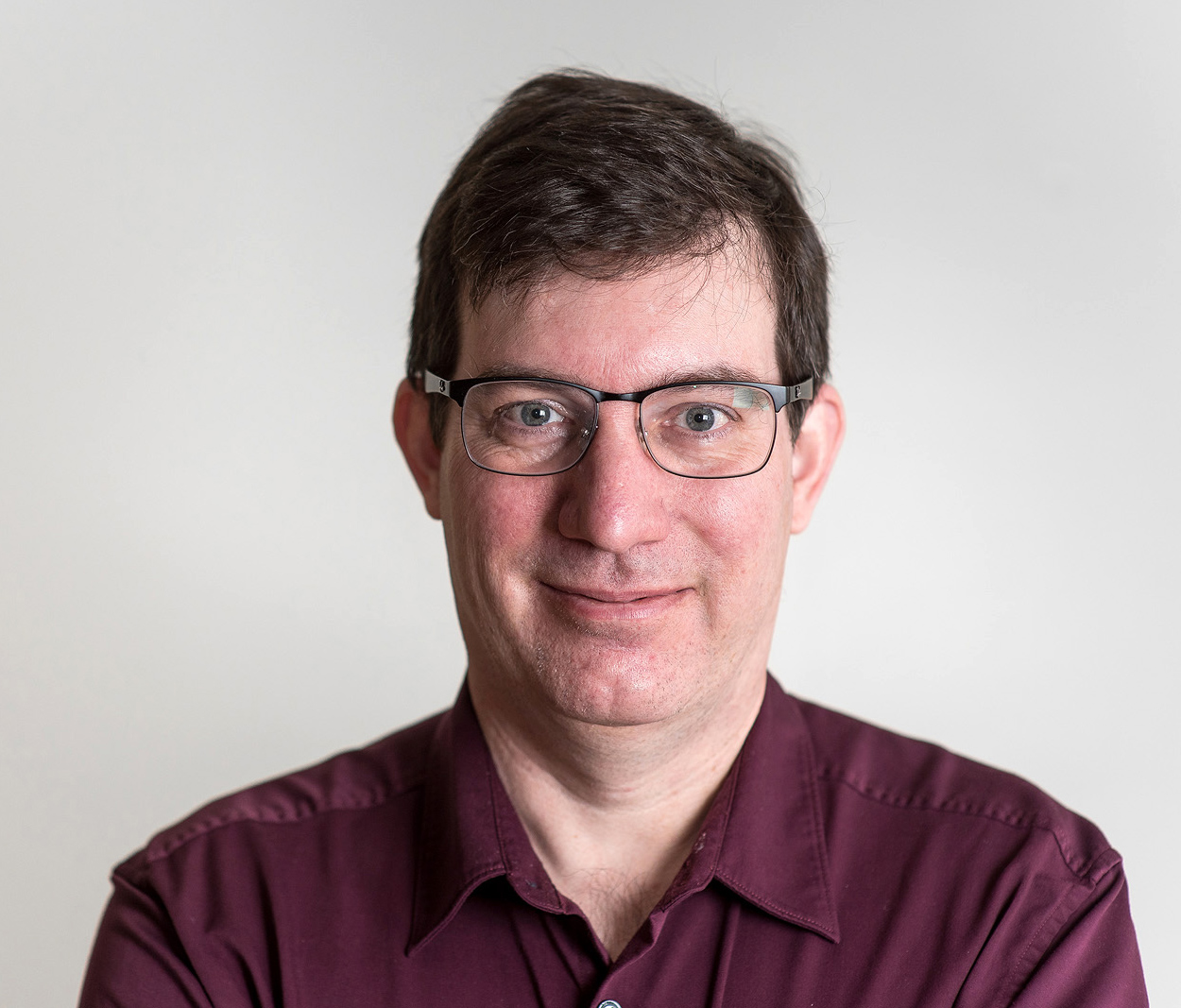
Congratulations to Prof. Robert Knobel on the promotion to full professor.
Congratulations to Prof. Robert Knobel on the promotion to full professor.
Professor
he/him/his
Faculty, Particle Astrophysics, Astronomy, Astrophysics & Relativity
Physics, Engineering Physics & Astronomy
McDonald Institute
Arts & Science
Undergraduate Program Assistant
she/her
Administrative Staff
Physics, Engineering Physics & Astronomy
Arts & Science
Applause: A Celebration of Research Excellence was hosted by the Vice-Principal Research, Nancy Ross to recognized the accomplishments of 85 Queen’s researchers who were the recipients of 111 prizes and awards in 2024 and 2025. Prof.
APPLICATION DEADLINE: Friday, June5, 2026
The Department of Physics, Engineering Physics, and Astronomy anticipates hiring term adjuncts to teach one or more courses in the Winter term of 2027. Applicants should hold an undergraduate degree or higher in Physics or a related field and have experience in teaching undergraduate physics.
Date
Saturday May 9, 2026Location
Slush Puppie PlaceThis year's Science Rendezvous Kingston event theme is IGNITE. It is a Free event and all are welcome! What to expect:
60 interactive booths
Chemistry experiments, physics demonstrations, robots, and more!
Stage shows with demonstrations and crowd participation
To learn more about this year's booths:
This year's Science Rendezvous Kingston event theme is IGNITE and will take place on Saturday, May 9, from 10 am to 3 pm at the Slush Puppie Place and along The Tragically Hip Way. It is a Free event and all are welcome! What to expect:
60 interactive booths
Chemistry experiments, physics demonstrations, robots, and more!
Stage shows with demonstrations and crowd participation
Congratulations to Dr. Corning, Dr. Rochfort and three master's students for successfully defending their theses!
Below is the list of graduate students who successfully defended their theses between January and April 2026, together with their thesis titles and their supervisors’ names.
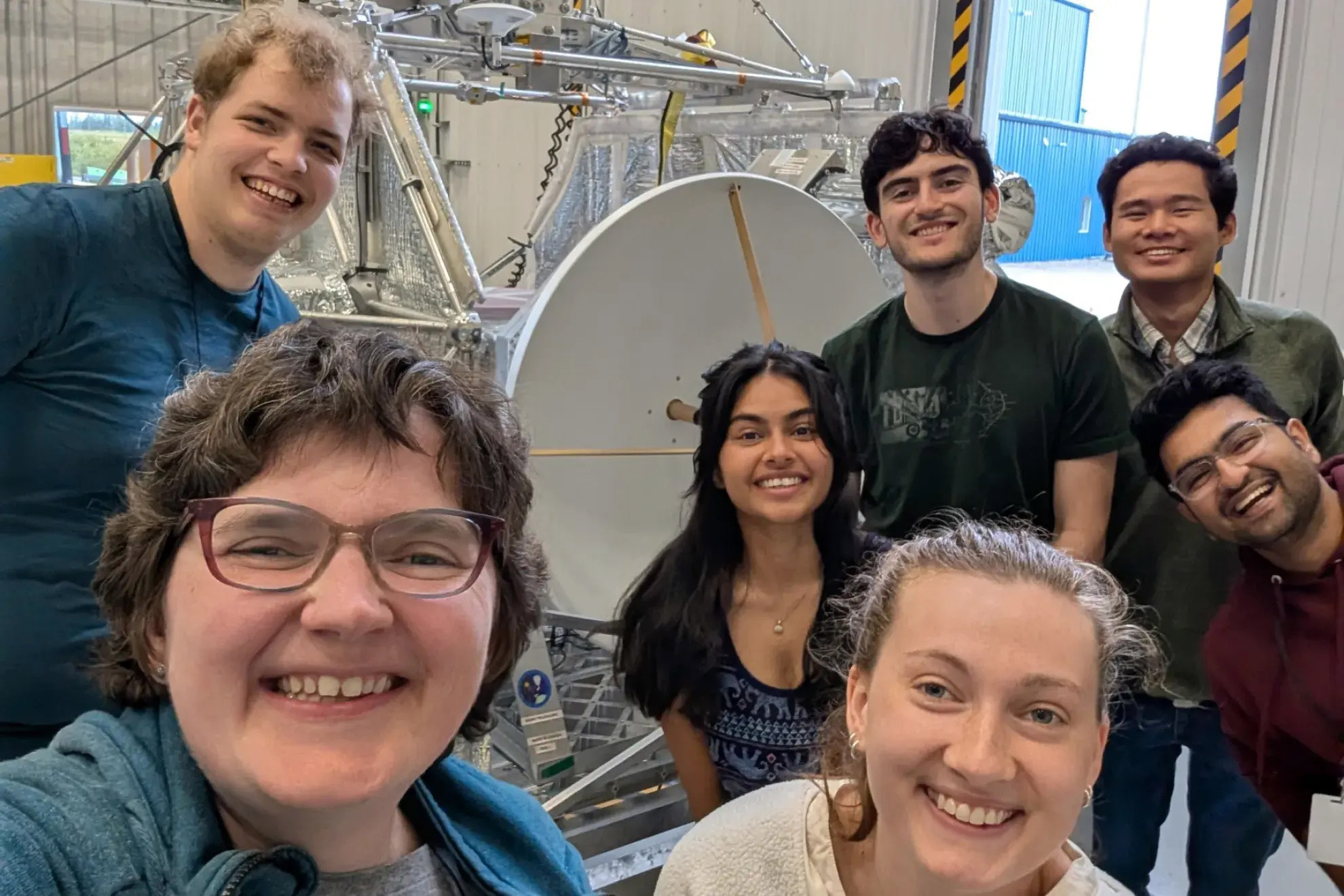
Collaborating with the McDonald Institute, Prof. Park and her group members, Dr.