

Environmental Geology
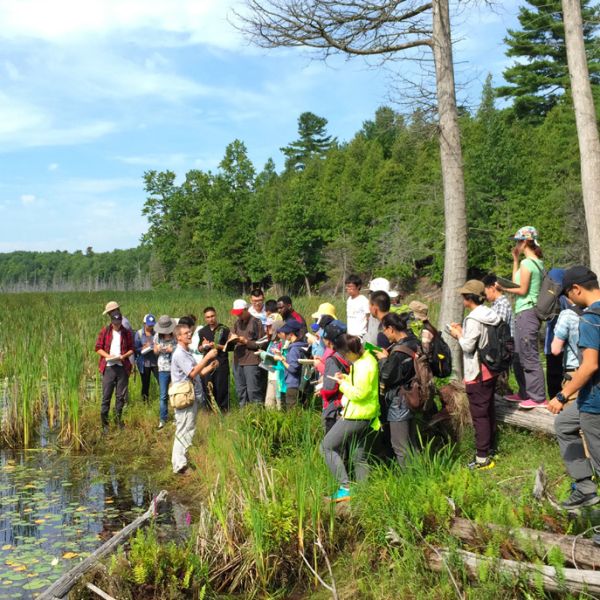
The Environmental Geology Specialization pairs the applied multidisciplinary perspective of environmental studies with in-depth training in geological sciences. Students learn about the processes and structures associated with the solid-earth, including geological resources and issues associated with their extraction.
Environmental Life Sciences

The Environmental Life Sciences Specialization pairs the multidisciplinary perspective of environmental studies with in-depth scientific training into how the human body works and how issues such as water quality, environmental contaminants, and infectious diseases, affect human health.
Environmental Science
Environmental Studies
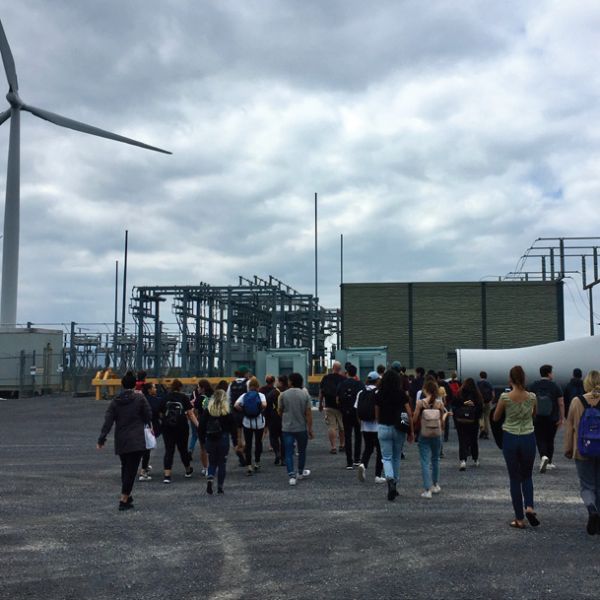
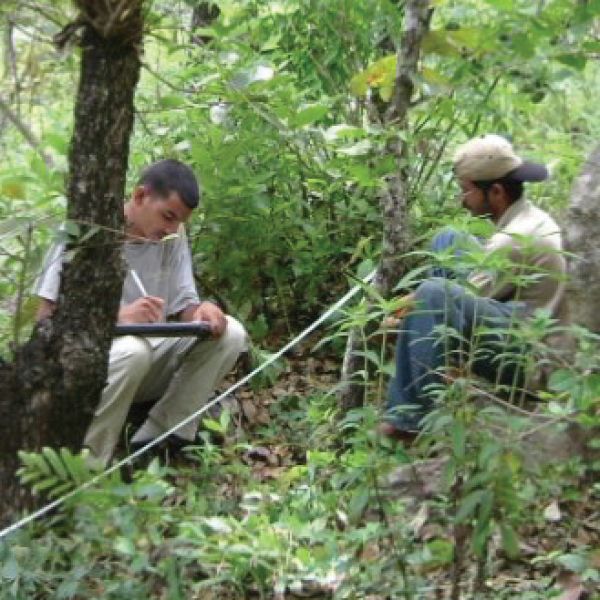
The Earth’s environment is under stress, and the search for solutions is anything but simple. It requires an interdisciplinary approach to problem-solving and education. Our program emphasizes the diverse contributions of the natural sciences, humanities, and social sciences to understanding and solving environmental problems.
Environmental Toxicology
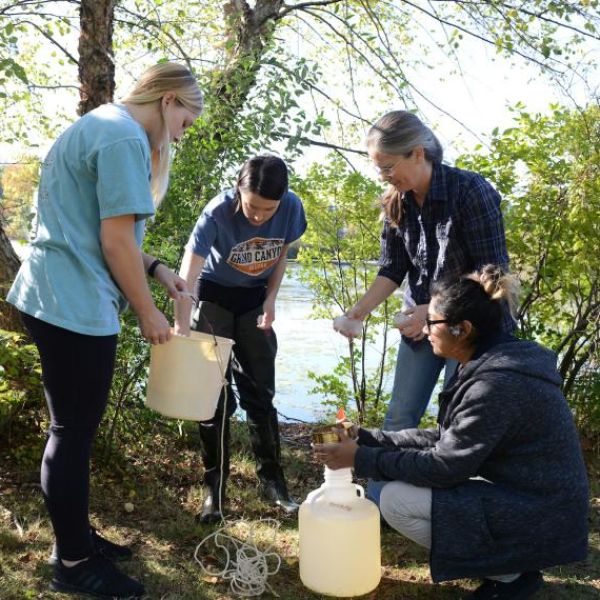
The Environmental Toxicology Specialization pairs the multidisciplinary perspective of environmental studies with in-depth scientific training on the adverse effects of pollutants and contaminants on living organisms and ecosystems.
Film and Media
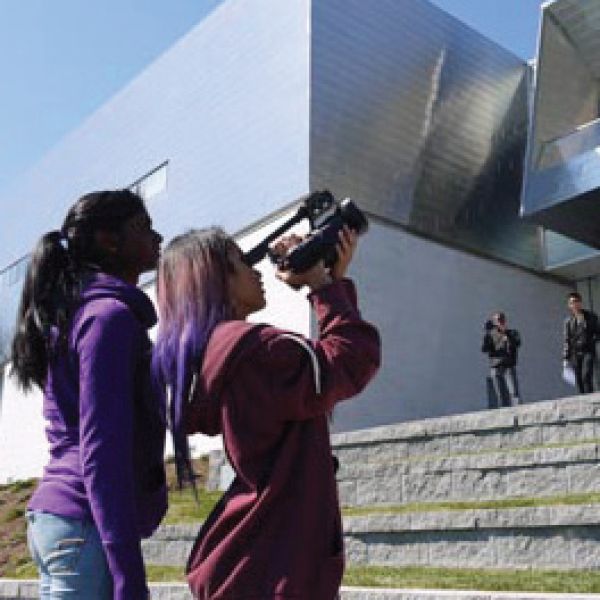
With a focus on critical thinking, our students examine a wide variety of media – including film, television, web and social media – in order to better understand and contribute to contemporary visual culture. Our program integrates this material with a diverse range of studies courses in history, theory, and criticism as well as foundational and advanced production courses in digital video, animation, and open media.
Fine Art (Visual Art)
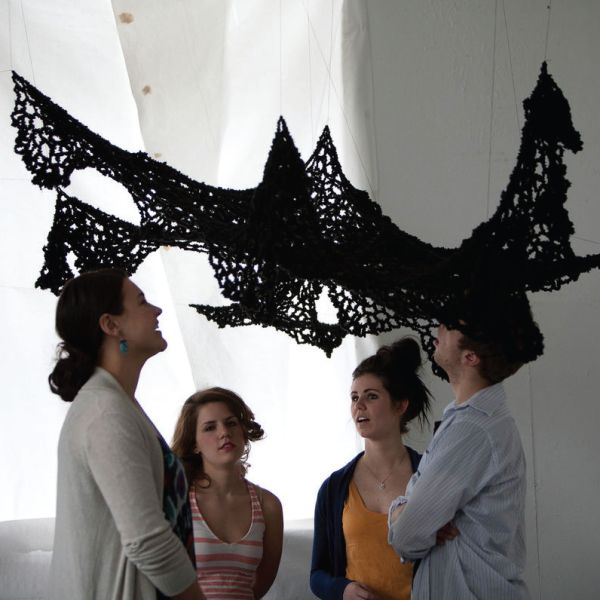
As a Fine Art (Visual Art) student at Queen’s, you’ll be part of a small group of 30 students benefiting from intensive training in painting, printmaking, sculpture, and new media/installation. Our courses are taught by instructors active in their fields, and supported through insight into the practices of visiting artists from across the country. Along with an internationally renowned artist in residence and courses in art history and the liberal arts, our program provides a broad spectrum of approaches and experiences. It isn’t all about classrooms or studios: Fine Art students make relevant field trips to exhibitions and workshops, including an annual trip to New York.
*Admissions to this program have been suspended.
French Studies

Studying French opens a wide range of opportunities, especially in Canada. The Department of French Studies offers undergraduate students interested in pursuing the subject in-depth the chance to study French as either a minor, a medial, or a major. We also offer courses for the complete beginner and Certificates of Competencies for students not registered in a French Plan. Courses offered focus on oral and written French as well as on literature and culture. For interested students, it is also possible to study French in either Quebec or France on exchange.
Gender Studies

Gender Studies opens doors for students to address growing concerns about inequity, equity and justice across national and global societies. Gender affects everyone, making Gender Studies a space where our theory and our practice attend to the differences and connections among diverse peoples worldwide. As an interdisciplinary field, Gender Studies helps students connect social science, humanities, arts, and natural science methods to produce innovative new knowledge.
Geography
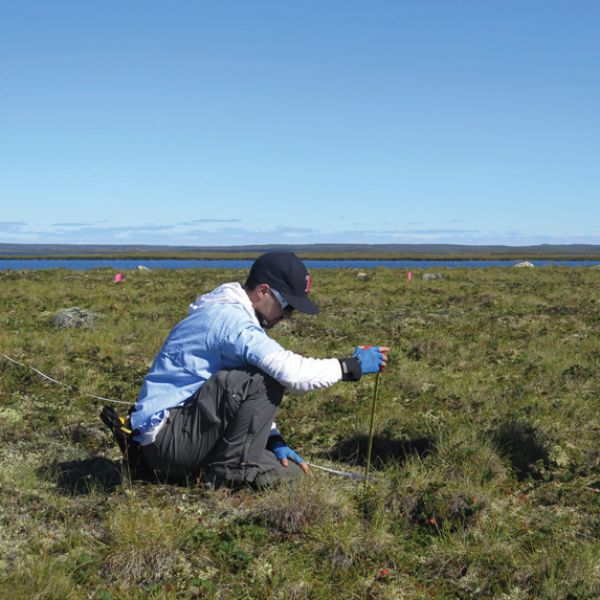
Among academic disciplines, Geography is unique in combining the social sciences and humanities with the physical sciences. In physical geography, or earth system science, we study natural processes, their interactions, as well as natural and human-generated environmental issues, such as climate change. Explore critical questions about our environment and our society as you develop research skills. Study with award-winning faculty in an interdisciplinary department that combines fundamental analysis and research with practical, applied approaches to planning and implementation.
Geological Engineering
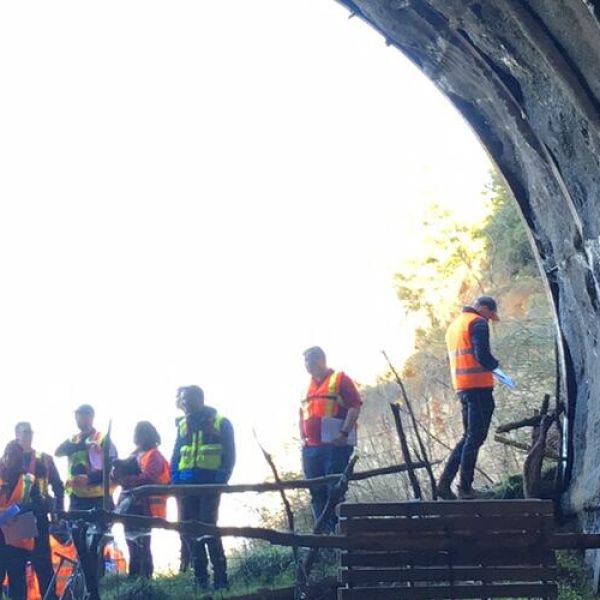
Geological engineers combine core engineering fundamentals with a broad slate of geological knowledge, ranging from geology to geotechnical engineering. You will study physics, chemistry, applied mathematics, and natural processes such as earthquakes, volcanoes, plate tectonics, and mountain formation. You will also acquire field, laboratory, and computer simulation skills and training in state-of-the-art geological investigation and engineering analysis tools.
Geological Sciences

Geoscientists interpret the natural world. They bring methods such as geophysics, geochemistry, geobiology and field geology together to understand the modern and ancient Earth. Clues concealed in rocks and minerals, fluids and fossils, mountains and sediments, glaciers and volcanoes are marshaled to understand and explain the Earth system at all scales. Managing water, mineral and energy resources, designing sustainable strategies for infrastructure and industrial growth, and coping with natural and anthropogenic hazards facing increasing global populations, including climate change, all depend on a deep understanding of natural processes.
Global Development Studies

With dynamic courses and dedicated instructors, Global Development Studies (DEVS) empowers students to engage the pressing global challenges that define our age. Our unique interdisciplinary program connects big-picture thinking with problem-solving approaches to open a wide range of career choices. Upon completing their DEVS degree, our students have gained the specialist knowledge and tangible skills they need to realize their commitment to making the world a better place.
Health Studies

Health Studies strives to understand the complex factors that influence physical, mental and social health and overall well-being. Drawing largely from social science disciplines, our courses explore the social determinants of health, approaches to health promotion, health policy, health behaviour change, epidemiology, and program planning and evaluation. You’ll be expected to challenge yourself and to think critically about health in relation to social justice, politics and culture. And you will gain the skills you need to do that.
History
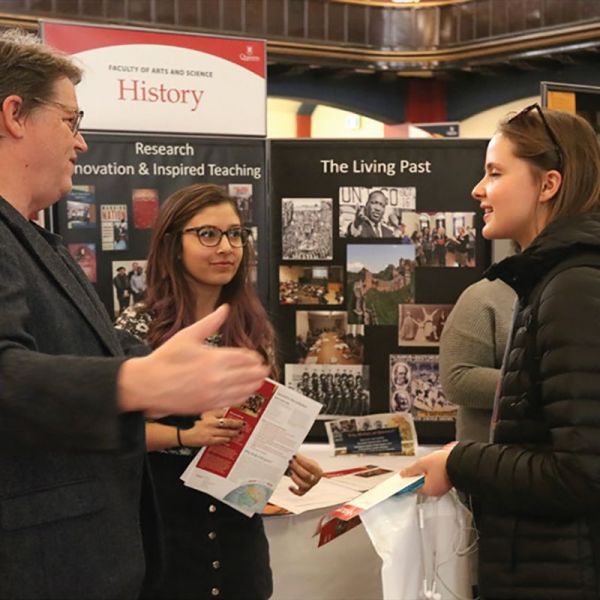
The Department of History at Queen’s offers a challenging and innovative program in established and new fields of historical inquiry, spanning from the pre-modern past to the contemporary era and geographically circling the globe. Consider a degree in History for all it has to offer: well-developed skills in critical reading, writing, and research and, perhaps even more importantly, engagement with oneself and the world we all inhabit. We are a mid-sized university and department and are, therefore, able to create for our students a rich, supportive learning community.
Indigenous Studies
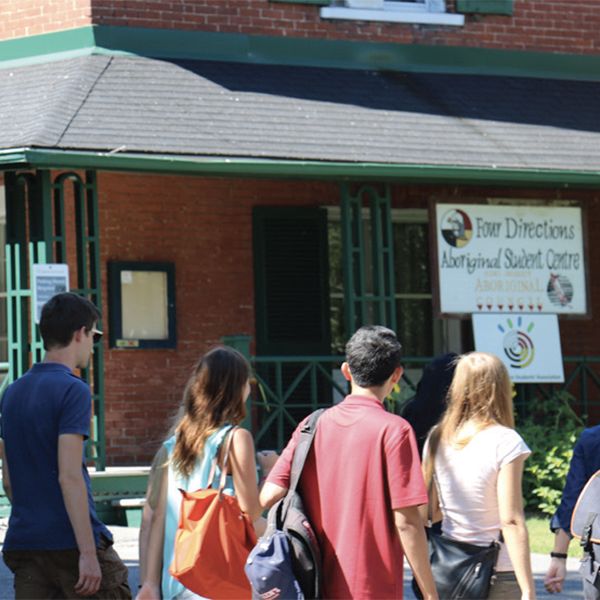
The major in Indigenous Studies is an interdisciplinary degree, designed to draw together a range of course offerings on Indigenous history, culture, experience, language, and ways of knowing from many departments within Arts and Science. It will give both Aboriginal and non-Aboriginal students the opportunity to immerse themselves in Indigenous history and culture, to ensure that future leaders and policymakers have a solid foundation in the histories of First Nations, Métis and Inuit Peoples. Students expand their knowledge and understanding of Indigenous cultures while developing professional skills, such as innovative Indigenous approaches to learning and research to work with Aboriginal communities
Jewish Studies

Jewish studies offers courses in the major disciplinary departments of the humanities and supports critical and analytical thinking in these areas. Because the Jewish people have interacted with so many cultures and societies, Jewish studies enhances any major in the humanities or complements any studies in the social or life sciences.
Kinesiology

Kinesiology is the science of the human body in motion. You will learn about the physiological, biomechanical, psychological and sociological factors that influence human movement, exercise and sport performance, along with health. From the structure of the cell to the structure of society, your studies in Kinesiology will expose you to the complex factors that influence health and wellness.
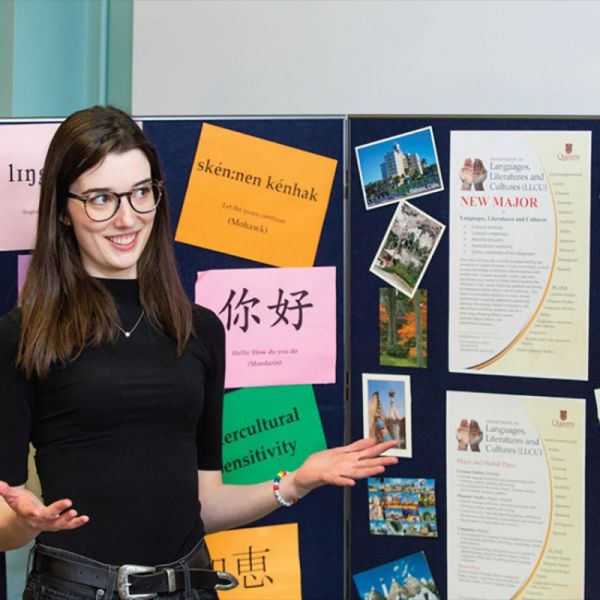
Languages, Literatures and Cultures
Liberal Arts University Transfer (LAT)
Graduates of the Liberal Arts University Transfer (LAT) two-year diploma program at Seneca Polytechnic may be considered for admission to Queen's University in one of the Faculty of Arts and Science Bachelor of Arts (Honours) degree programs. This pathway allows LAT graduates to continue their post-secondary education at Queen’s University and earn an Honours degree, providing they meet the eligibility and admissions requirements.
Life Sciences
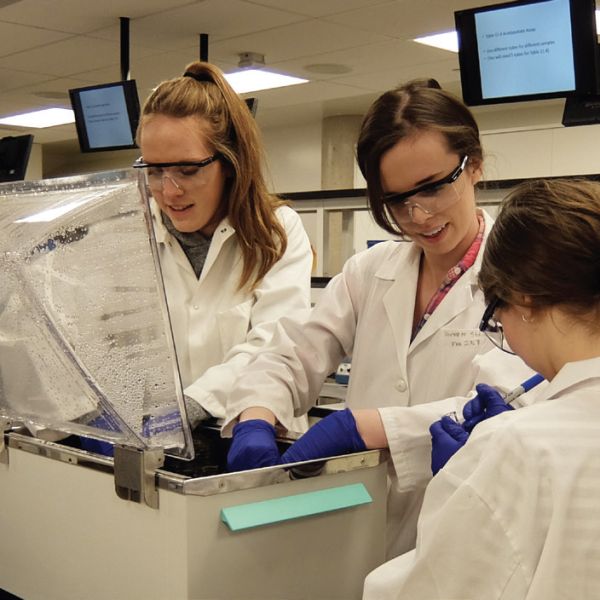
The hallmark of the Life Sciences program is a unique blend of disciplines represented by basic and clinical biomedical science departments in the Faculty of Health Sciences. These departments include Biomedical and Molecular Sciences, Public Health Sciences, and Pathology and Molecular Medicine, in collaboration with the Cancer Research Institute, the Centre for Neuroscience Studies, the Cardiac, Circulation and Respiratory Group, and the Research Group in Reproduction and Development.
The subjects that fall under the umbrella of the Life Sciences program include traditional biomedical disciplines devoted to the anatomical, biochemical, epidemiological, immunological, microbiological, pathological, pharmacological, and physiological sciences. In addition, there are Sub-plans dedicated to contemporary trans-disciplinary themes in the cardiovascular and respiratory sciences, drug development and human toxicology, cancer biology and genetics, and neuroscience.
Linguistics
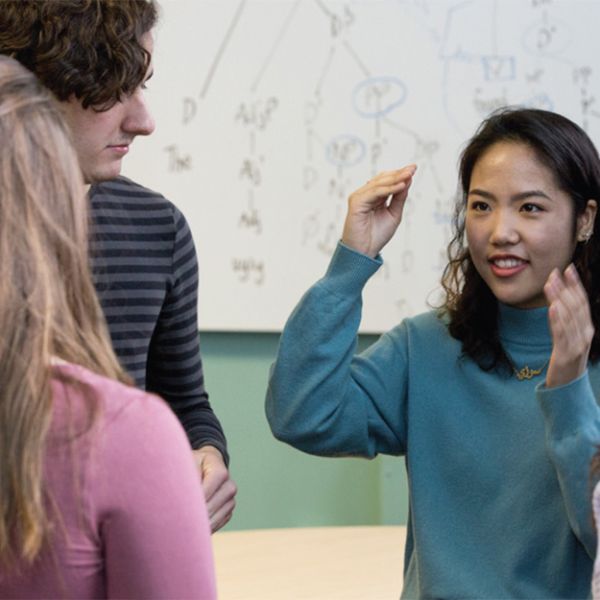
There are three aspects to Linguistics: language form, language meaning, and language in context. Linguistics is a scientific study of a language that explores the structure of language and how it is acquired. Linguistics students explore how a language is structured, how it is used in the production and comprehension of messages, and how language changes over time. You will try to answer questions relating to the nature of language, such as what do all languages have in common, or how do children learn a language? Linguistics is a highly interdisciplinary study with connections to many disciplines.
Mathematical Physics
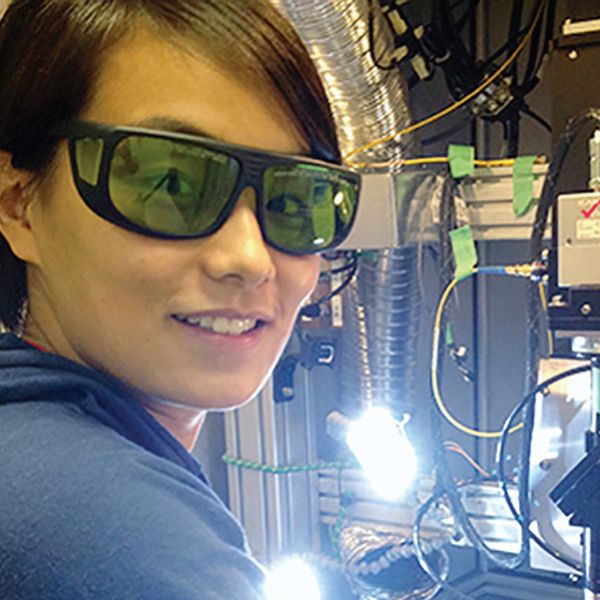
A degree in Mathematical Physics provides you with training in theory, computation, and advanced mathematical modelling techniques relevant for fundamental and applied research. In particular, mathematical physicists study the numeric, combinatoric, algebraic, and computational frameworks that are used to form models of essentially anything that can be quantified. The skills obtained are highly sought after and transferrable to a wide range of fields. The degree leads to careers in academia and government-funded research centres as well as the private sector fields of finance, medicine, technology, and data analytics, to name just a few.
Mathematics

Mathematicians discover and study structures that are fascinating in themselves and that have a surprising ability to help us make sense of many facets of the world: the physical, the biological, the economic, the artistic, the psychological, and the philosophical. By designing and analyzing mathematical models, we increase our understanding of natural processes and human events.
Mathematics & Engineering

The only Engineering program in North America primarily offered by a mathematics department, Mathematics and Engineering blends engineering with advanced mathematics and provides a rigorous treatment of engineering concepts and ideas. You will learn to analyze and solve engineering problems requiring sophisticated mathematical skills, such as those involving modern communications, control, and mechatronic systems, as well as emerging areas such as artificial intelligence and data science.