

Applied Economics
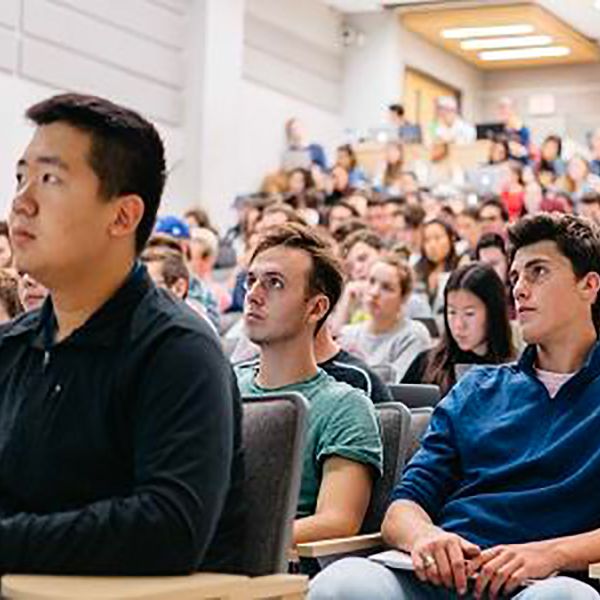
What determines the prices of goods and services? How do individuals decide how much to spend and save? How can government policies help reduce environmental pollution? These are questions we all face every day. Economics is our attempt to analyze and understand them. Often seen as being all about money, at its more basic level economics is concerned with the material well-being of human societies.
Art History
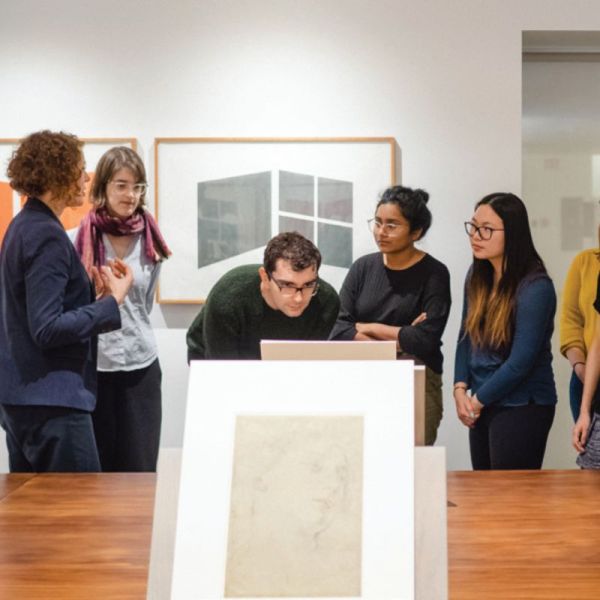
The Queen’s Art History program is strongly committed to mentoring students in a variety of interdisciplinary approaches, methodologies, and issues, including the technical examination of art, gender studies, critical theory, cultural representation, curatorial studies, and the relationships among art, literature, and science. The program offers a wide range of courses that explore how visual and material cultures have shaped human societies across time and around the world. All Art History courses emphasize visual literacy and the contextual relevance of the discipline within culture and history.
Astrophysics

A degree in Astrophysics provides you with training in theory, computation, statistical modelling, data analysis, and experimental methods as you pursue problems in fundamental and applied research. Astrophysicists create simple mathematical models to describe complex astrophysical phenomena and test these models by making astronomical observations, collecting data, and comparing this data with numerical simulations. The skills obtained are highly sought after and transferrable to a wide range of fields. The degree leads to careers in academia and government-funded research centres as well as the private sector fields of finance, medicine, technology, and data analytics, to name just a few.
Biochemistry
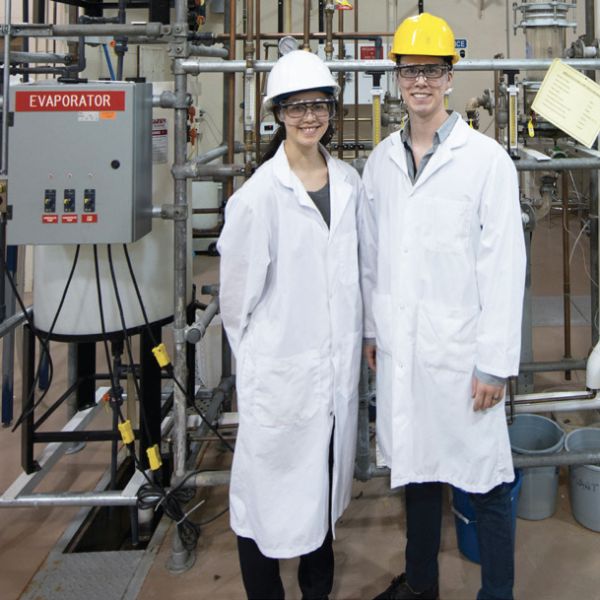
Biochemistry is the branch of science that explores the structures and chemical processes of molecules in living organisms that interact to form cells, tissues, and whole organisms. The Biochemistry program at Queen’s provides students with in-depth training in a wide range of important topics that are related to these processes, including the mechanisms of cancer progression, cellular communication, and the molecular and chemical basis of infection, inheritance, and disease. The program also offers opportunities for students to explore rapidly expanding fields in molecular genetics, metabolism of biomolecules, bioengineering, and regenerative medicine through hands-on training with professors in research labs.
The first two years of the program provides vital background preparation in Biology, Chemistry (organic, analytical, and physical), Molecular Biology, Math, and Statistical Analysis, to understand the molecules that make up all living things. In the upper years of the program, students receive in-depth exposure to all areas of Biochemistry and Molecular Biology, Cell Biology, including extensive hands-on laboratory experiences. The Biochemistry program has enough flexibility for students to take elective courses offered in other programs within the Faculty of Arts and Science, including the Life Sciences program, for which they are eligible.
Biology
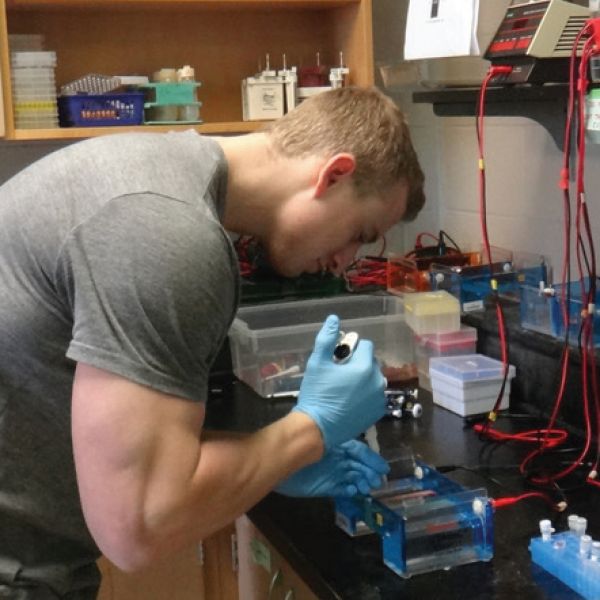
There is no end to the fascinating questions we can ask about how the natural world functions. From dissecting the molecular mechanisms at play in cells to understanding the complexity of interactions in the biosphere, the beauty and mystery of nature astounds. There has never been a more exciting time to study biology, with subjects ranging from climate change and the conservation of biodiversity to the origin and evolution of life, and from the form and function of organisms to the ongoing “omics” revolution at the molecular level. Regardless of your area of interest, there is something in biology for you -- questions waiting to be answered and riddles of nature to be solved.
Biology - Mathematics
![[illustration]](/artsci/sites/faswww/files/styles/alternate_teaser/public/img/program/biology-mathematics-ed.jpg?h=1595d102&itok=_2b125mF)
Understanding the evolution of drug resistant diseases draws upon knowledge of genetics, genomics, epidemiology, and population ecology and these are all areas of study steeped in both Biology and Mathematics. This example is just one of many that could be used to highlight the growing need for quantitative literacy in academics, medicine, and industry. The Biology and Mathematics SSP incorporates courses from both departments and combines them with specialized courses in “BioMath” to provide an exceptional learning experience in this emerging field.
Biology - Psychology
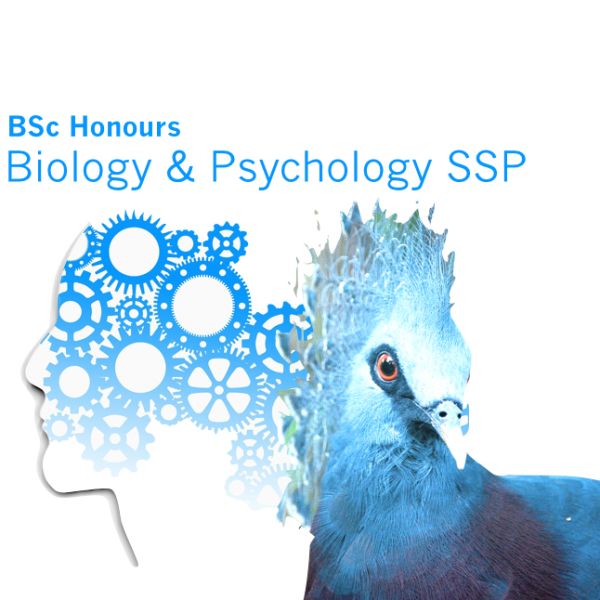
Humans and other animals have more in common than you might think. From neurological systems to patterns of behaviour, this four year Subject of Specialization Plan fuses core elements from Biology and Psychology and allows considerable opportunity for upper year specialization and independent study. With an emphasis on cross-disciplinary interaction and integration, the "BioPsych" SSP explores both commonalities and uniquely human features of brain, behaviour and cognition.
Biomedical Computing

Biotechnology
Black Studies

Chemistry

Chemistry explores the composition, structure, and transformation of matter. Frequently called the central science, it provides the basis for studies in many other disciplines, ranging from biology to materials science, in addition to being a booming discipline of its own. A degree from Queen’s Department of Chemistry is highly regarded and an important consideration in today’s competitive science and technology job market. Our $56 million state of the art building is home to the Nuclear Magnetic Resonance facility and its eight high-field instruments, an on-site Mass Spec facility with four mass spectrometers, an X-ray diffractometer, a CFI-funded facility for materials characterization, and more unique equipment in faculty labs.
Classical Studies
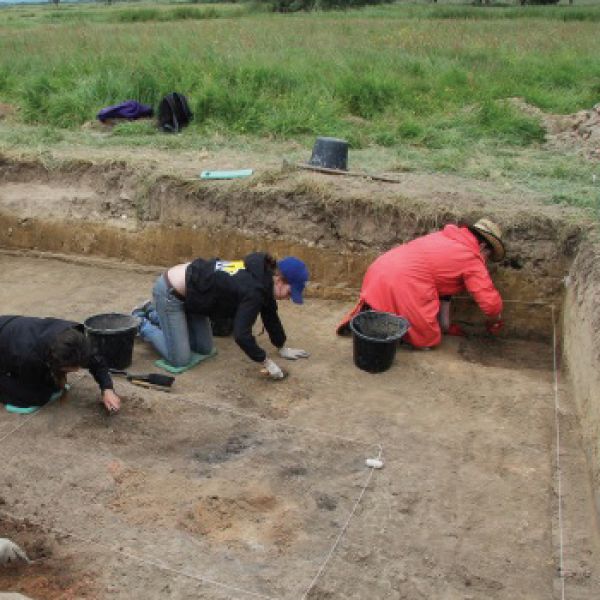
Are you interested in battles, myths, astrology, riddles and magic, languages and literature, graphic novels, avatars and cosplay, building models and theatre sets, digging in the dirt, or exploring underwater? If you answered yes to any of these, then Classics at Queen’s is a good fit for you! Classics is the study of ancient Greek and Roman civilizations over the past 3,000 years. As a student, you can examine all aspects of these civilizations: ancient Greek and Latin languages, history, religion, warfare, myth, science, philosophy, literature, art, and archaeology.
Classics

Studying Classics leads to a wider appreciation of human values and achievements, and a more objective understanding of ourselves and our times. Multi-disciplinary in approach, Classics involves the studies of history, literature, archaeology, religion, mythology, drama and philosophy, in addition to the ancient languages of Greek and Latin. Today our understanding of Greek and Roman culture is further enhanced by the latest digital techniques that increasingly pervade studies in archaeology, epigraphy, papyrology, and ancient science and medicine.
Cognitive Science

Computing

Computer science is one of the most exciting and diverse subjects of study today, particularly at the Queen’s School of Computing. Whether you’re interested in software design, artificial intelligence, game development, or biomedical computation, we can offer you a vast range of courses to fit your interests – and that’s only scratching the surface.
Computing and the Creative Arts

This innovative program is aimed at students with interests and abilities in both Computing and the Fine Arts. You can participate in advanced courses in Art, Drama, Film, or Music while maintaining a solid concentration in Computer Science and Mathematics. Fill out your degree with electives in other Arts areas and interdisciplinary courses of all kinds. Graduates can expect to work in the entertainment industry, in art galleries and museums, in multimedia design and production, and in developing the next generation of software for the Arts.
Computing, Mathematics, and Analytics

Drama

Acting, directing, music theatre, design, playwriting, theatre technical production, puppets, opera, theatre history, dance. The DAN School of Drama and Music offers a well-rounded program designed to equip resourceful thinkers with the communication, collaborative, and leadership skills that will enable them to excel in any field they choose. A key part of Drama at Queen’s is the enormous range and number of opportunities offered by many exciting productions, both on stage and backstage, as directors, writers, designers or producers.
Earth Systems Science
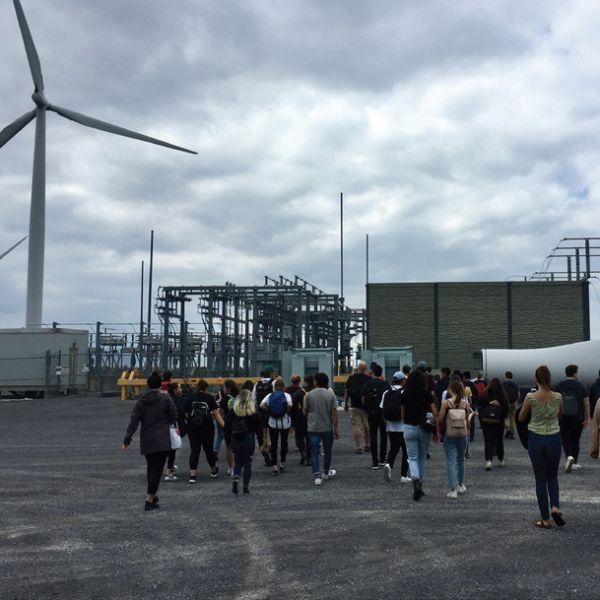
The Earth Systems Science Specialization pairs the applied multidisciplinary perspective of environmental studies with in-depth scientific training in physical geography. Students take a holistic view of the Earth and emphasize the interactions between land, water, and air to understand and address the impacts of environmental change.
Economics
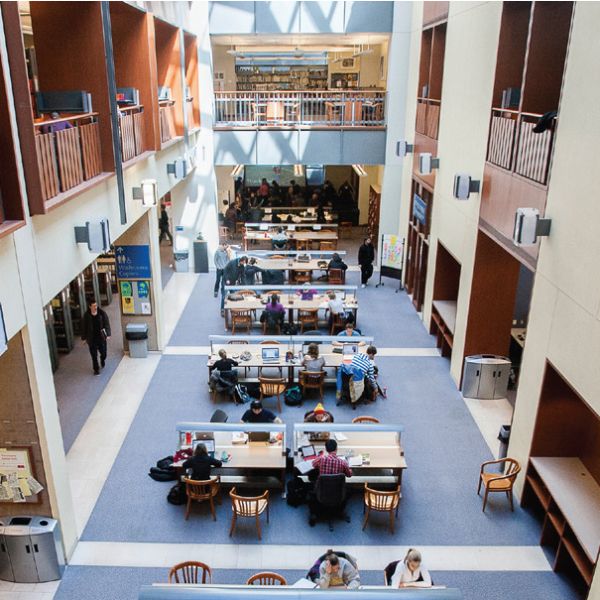
What determines the prices of goods and services? How do individuals decide how much to spend and save? How can government policies help reduce environmental pollution? These are questions we all face every day. Economics is our attempt to analyze and understand them. Often seen as being all about money, at its more basic level, economics is concerned with the material well-being of human societies. Economics at Queen’s is widely recognized as one of the leading Economics departments in Canada. The programs are challenging, rigorous, and of small to medium size.
Employment Relations

The world of work is changing. Rapid technological change has led to unprecedented challenges. But while technology may have accelerated the economy, it will always be people who keep it running. Employment Relations focuses on the complex relationships between people - the employees and employers who keep the world of work running - and the laws and government policies that ensure an equitable and inclusive workplace. Because an equitable and inclusive workplace isn’t just about creating a more productive economy, it’s about sustaining happy and healthy people.
For more information about certificate eligibility and how to apply, visit our webpage.
Engineering Physics
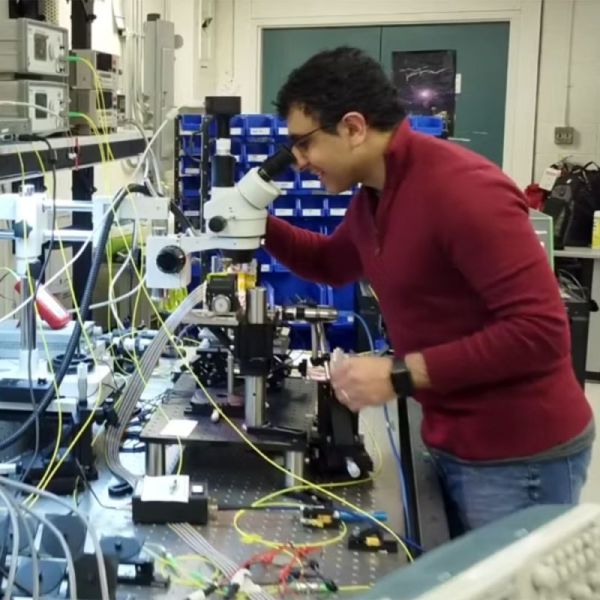
Engineering physics combines the practical skills of engineering with the deep knowledge of a scientist, applying analytical and lateral thinking to modern engineering challenges. Courses in quantum mechanics, laser optics and nanotechnology will help prepare you for an engineering career at the leading edge of technology. You will acquire advanced problem-solving and instrumentation skills, and will be able to apply superior mathematical, analytical and abstract-thinking ability to modern engineering challenges.
English and Creative Writing

When you study English at Queen’s, you’ll learn to read perceptively, analyze clearly, and above all, communicate effectively. Students take courses that involve a wide range of critical methodologies, historical periods, and literary genres. The department’s vibrant intellectual community is developed and sustained by the synergies between the knowledge and passion of our distinguished faculty and the ideas and inspirations of our outstanding students.
Environmental Biology
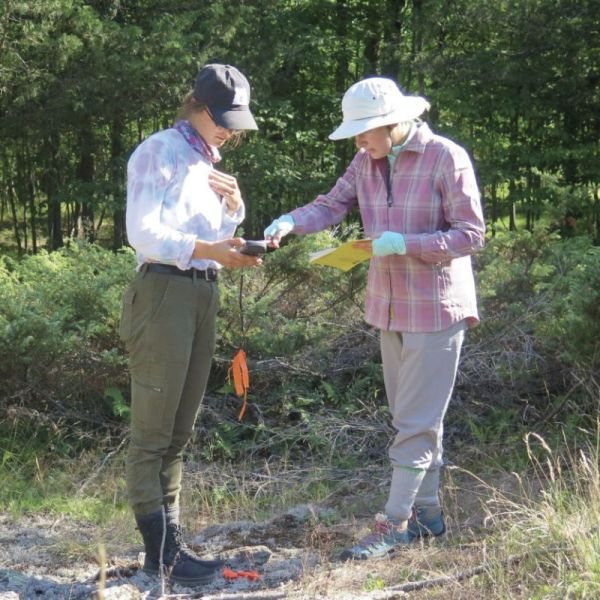
The Environmental Biology specialization pairs the applied multidisciplinary perspective of environmental studies with in-depth scientific training in biology. Students draw on foundations in genetics, physiology, evolution, and ecology to address challenging topics like pollution, conservation, and climate change.
Environmental Chemistry

The Environmental Chemistry Specialization pairs the applied multidisciplinary perspective of environmental studies with in-depth scientific training in chemistry. Students draw on these foundations to understand the behaviour of chemicals in the environment and consider how chemicals and industrial processes can be improved to reduce their impact.